Reese Witherspoon Brings Elle Woods Back in 'Legally Blonde' TV Prequel

A new 90s-set series explores Elle Woods' high school years, channeling Witherspoon's vision for a character the world apparently still needs.

Twenty-five years after Legally Blonde introduced audiences to the indomitably optimistic Elle Woods, Reese Witherspoon is betting that the character's particular brand of determined positivity resonates even more deeply in the present cultural moment. The result is Elle, a streaming prequel series set in the 1990s that reimagines its heroine as a high schooler navigating the turbulent terrain between girlhood certainty and the complicated reality of becoming a woman.
A Character Built for This Moment
According to The Guardian Culture, Witherspoon felt strongly that "the world could use a little Elle Woods" — a sentiment that shaped the entire creative architecture of the new series. Lauren Neustadter, president of film and television at Witherspoon's production company Hello Sunshine, described the project as a natural extension of that instinct, noting that the universal experience of adolescence gives the show a broad emotional foundation to build from. It is a shrewd creative calculation: at a time when audiences are gravitating toward stories that offer warmth and reassurance, reviving a character synonymous with self-belief feels less like nostalgia mining and more like genuine cultural diagnosis.
Relatively unknown actor Lexi Minetree steps into the iconic role, portraying a 16-year-old Elle whose perfectly ordered California existence is upended when a family disruption forces her to relocate to a markedly greyer, more guarded Pacific Northwest environment. The fish-out-of-water framework echoes some of the original film's most enduring pleasures, even as it recontextualizes them within a distinctly pre-digital world.
The Craft of Teen Drama, Reconsidered
The show arrives amid a genuine creative renaissance for the coming-of-age genre on streaming platforms. Series like Off Campus and Every Year After have demonstrated that audiences — many of them women well into adulthood — harbor a strong appetite for stories rooted in the emotional grammar of adolescence. This is a tradition with serious cinematic pedigree: from John Hughes in the 1980s to the wave of Y2K teen films that directly inspired Elle's creative team, the genre has always carried more psychological weight than its detractors tend to acknowledge.
Creator Laura Kittrell drew consciously from that lineage, citing Buffy the Vampire Slayer, 10 Things I Hate About You, and Mean Girls as reference points for calibrating tone. The goal, she explained, was to honor "real teenage stakes" without sacrificing comedy — a balance that the best entries in the genre have always managed. Executive producer Caroline Dries articulated the show's emotional ambition with particular clarity, framing it as an opportunity to send a message back through time to a younger self: have more joy, believe in yourself.
Taking Teenage Girls Seriously
Perhaps the most considered aspect of the creative team's approach is their insistence on treating the specific difficulties of girlhood with genuine respect rather than condescension. Kittrell observed that teenage girls' problems are routinely dismissed or minimized, and that Elle is built on the conviction that a first period, a friendship fracture, or an awkward romantic encounter constitutes real emotional territory — not footnotes to more "serious" storytelling.
This sensibility connects the show to a broader reckoning happening across the industry, as a generation of female creators brings more careful attention to stories about young women. Jenna Ortega's growing influence within Hollywood's creative ecosystem reflects a similar shift in who gets to shape these narratives. Likewise, projects spearheaded by established female stars — such as Sandra Bullock's return in Practical Magic 2 — suggest that the industry is increasingly willing to trust women both in front of and behind the camera on legacy properties.
Nostalgia as a Survival Strategy
The 90s setting does more than supply aesthetic pleasures — chunky car phones, baby tees, and aggressively pink color palettes included. It reconstructs a pre-social-media girlhood that carries genuine psychological appeal: a world before algorithmic anxiety, before the pervasive pressures of the digital landscape, before many of the specific cruelties the internet has introduced into adolescent life. Whether that reconstruction functions as escapism or something more instructive remains one of the series' more interesting open questions.
Witherspoon, who has consistently proven herself one of Hollywood's most strategically shrewd producers — a track record that extends well beyond the celebrity coverage of her recent personal life — has shaped Elle into something that understands its own cultural purpose. It is a show about confidence, and it arrives with considerable confidence of its own.
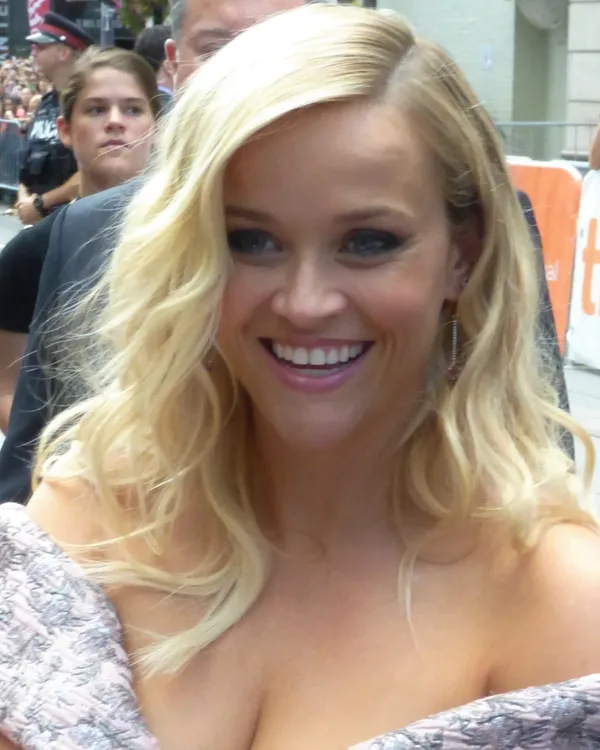 ProfileReese WitherspoonAcademy Award-Winning Actress and Producer
Related
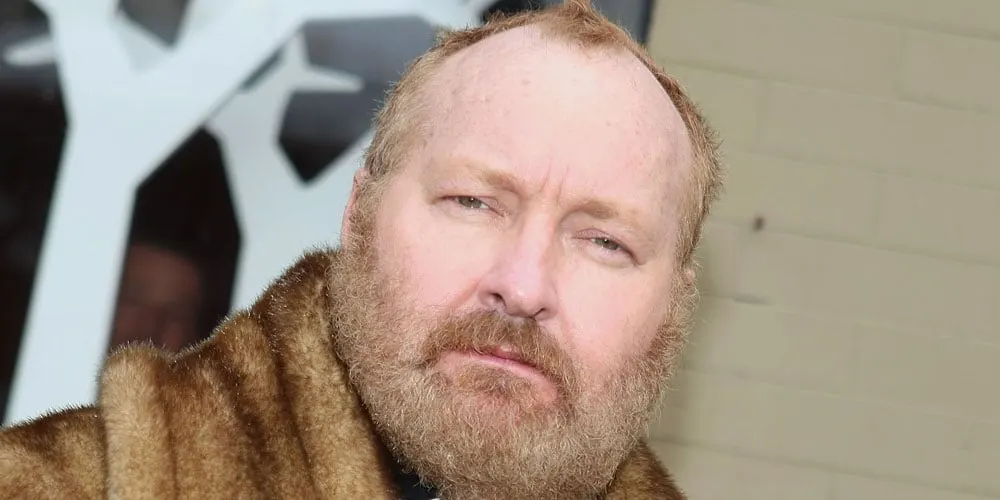
Randy Quaid Slams Anne Hathaway Casting in Days of Thunder Sequel
Randy Quaid, who appeared in the original 1990 film, took to X to demand Nicole Kidman's return and dismiss the Hathaway announcement.
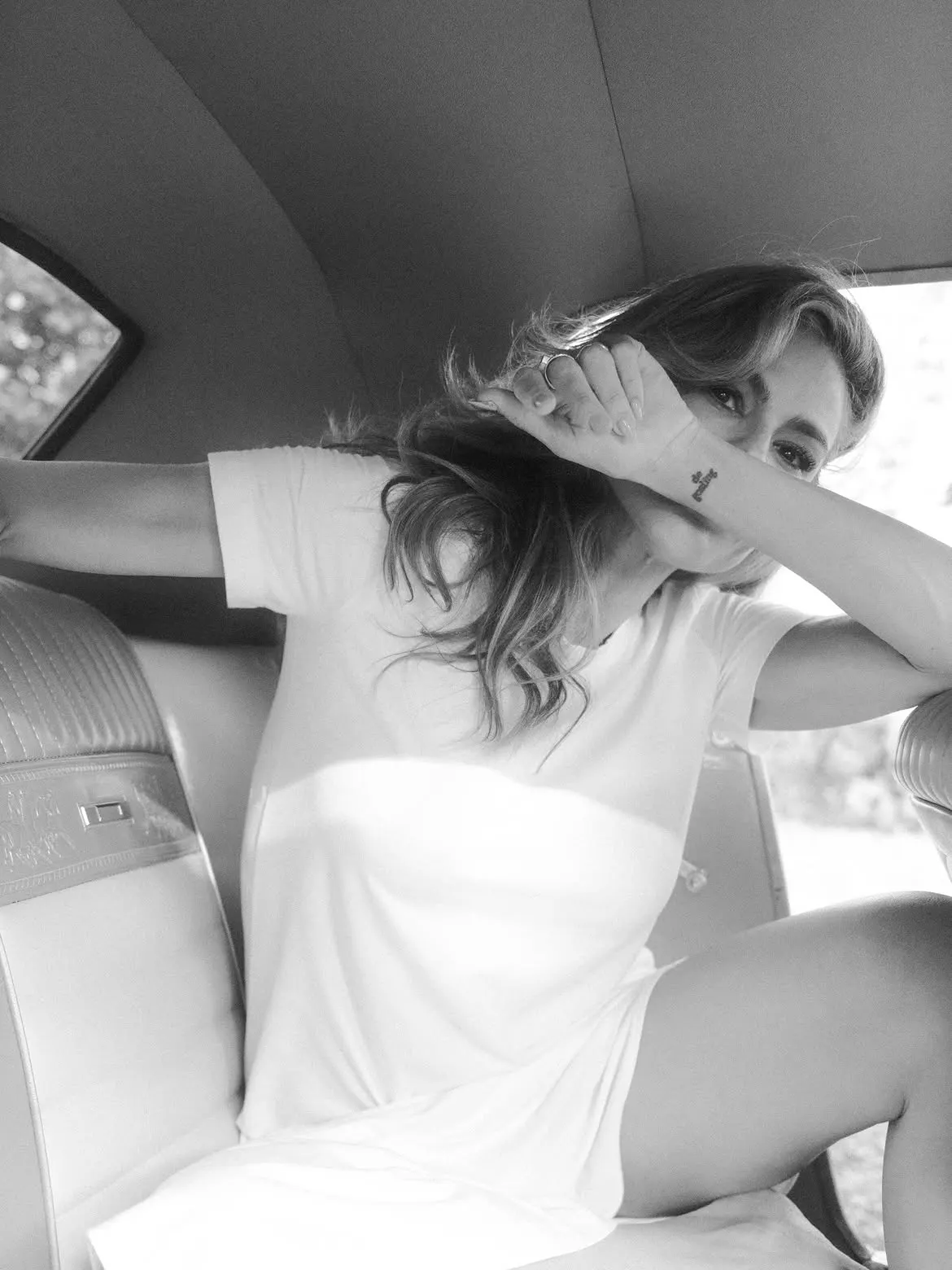
Eva Mendes' 'de Gosling' Tattoo Is the Only One She's Ever Wanted
Eva Mendes is showing off her wrist tattoo again — a small but meaningful piece of ink that carries a deep cultural significance.
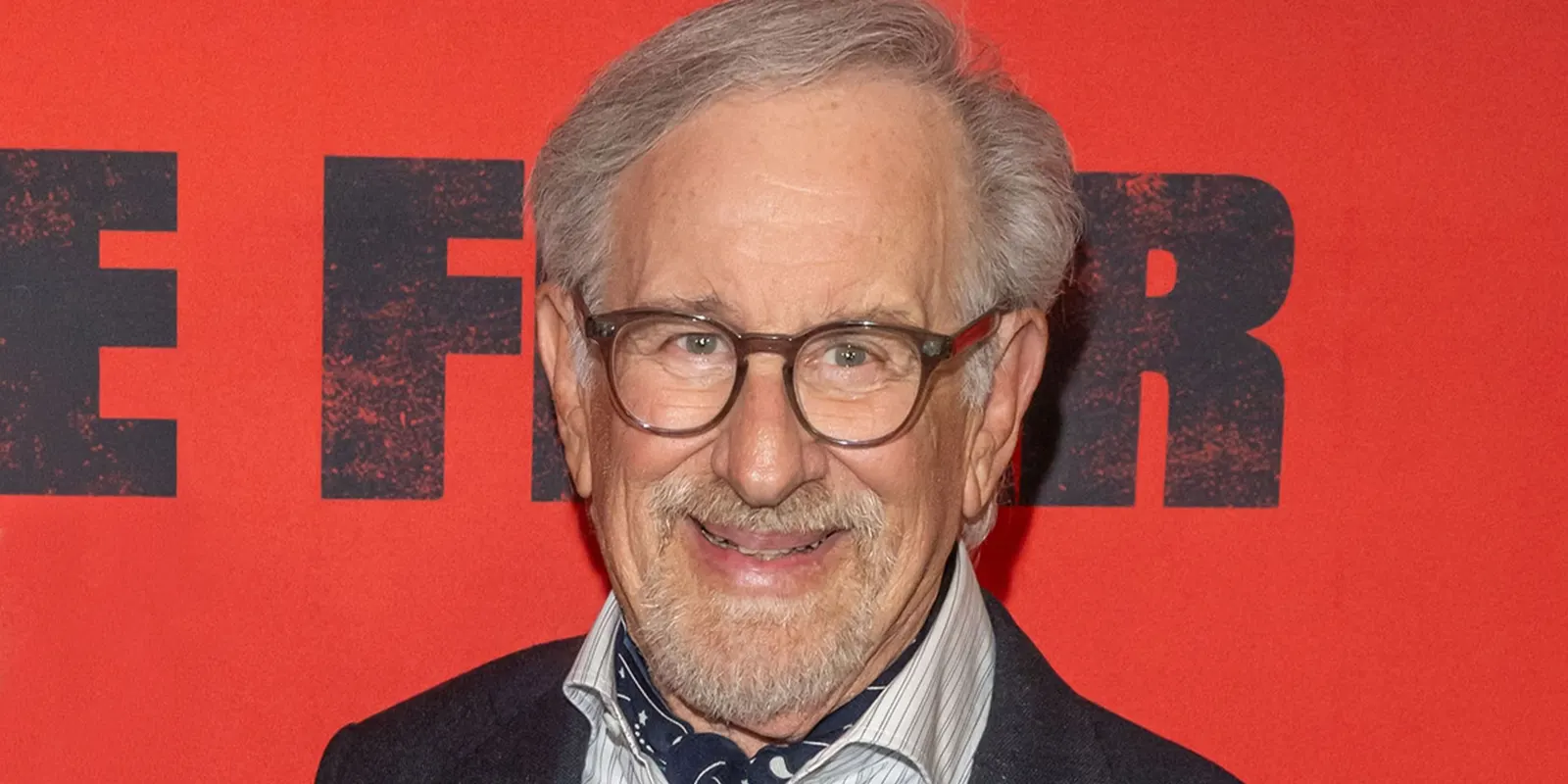
Steven Spielberg's 'War of the Worlds' Returns to Streaming Amid Debate
Steven Spielberg's 'War of the Worlds' is hitting HBO Max next month, reigniting discussions on its mixed reception.