How 'Elsinore' Resurrects Daniel Day-Lewis' Legendary Stage Walk-Off

Andrew Scott's career-best turn in 'Elsinore' doubles as a window into one of British theater's most mythologized moments involving Daniel Day-Lewis.
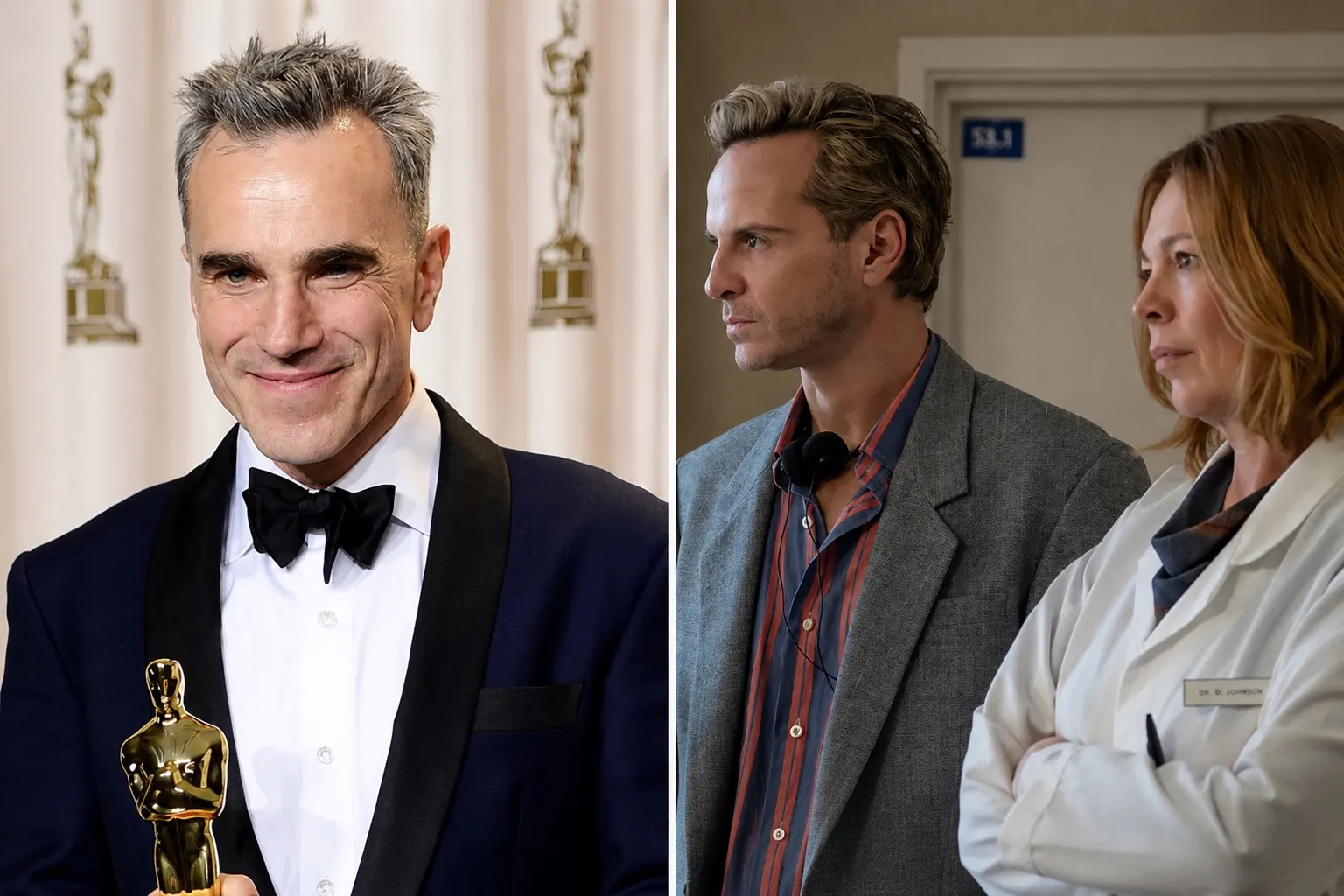
Andrew Scott's performance in Elsinore has been generating considerable heat out of Telluride, where festival audiences encountered what many are already calling a career-defining turn. Yet the film carries an additional distinction beyond Scott's work: it brings renewed attention to one of the most discussed and dissected episodes in modern British theater history — the night Daniel Day-Lewis walked off a West End stage mid-performance and never came back.
The Incident That Became Legend
In the late 1980s, Day-Lewis was starring as Hamlet in a National Theatre production — a casting that carried enormous expectations, given the actor's mounting reputation following My Beautiful Laundrette and, most conspicuously, his Oscar-winning work in My Left Foot. Midway through a performance, according to Variety, Day-Lewis stopped cold, abandoned the stage, and did not return. The production ground to a halt. The official explanation at the time involved the ghost of Hamlet's father triggering a genuinely overwhelming psychological response in the actor — Day-Lewis reportedly experienced a vision of his own late father, the poet Cecil Day-Lewis, in that moment. Whether one reads it as a profound collision of method and memory or as the outer limit of immersive acting philosophy, the episode lodged itself permanently in the folklore of the English stage.
What 'Elsinore' Brings to the Story
Filmmaker James Ward Byrkit has structured Elsinore in a way that places this historical rupture at the center of its narrative architecture. The conceit is elegant: by staging a story around the gravitational pull of that infamous walkout, the film gains access to the broader anxieties of performance itself — the question of where commitment to a role ends and psychological dissolution begins. It is a theme that resonates particularly when filtered through Scott's characteristically interior acting style, which favors sustained, accumulative emotional pressure over demonstrative technique. The result, by early accounts, is something that feels less like dramatized gossip and more like a genuinely searching meditation on artistic identity.
Day-Lewis and the Weight of Myth
Day-Lewis, of course, became the defining screen actor of his generation in the decades that followed — a three-time Academy Award winner whose retirement announcement in 2017 only deepened his mythological status. The Hamlet walkout, rather than diminishing him, somehow enhanced the sense that he operated on a register unavailable to most performers. It suggested a man for whom acting was not a profession so much as a form of controlled psychological hazard. Films like There Will Be Blood, Lincoln, and Phantom Thread all carry within them the implicit understanding that their lead performer has gone somewhere most actors cannot or will not go.
Andrew Scott Steps Into a Complicated Legacy
For Scott, engaging with this material represents an interesting career inflection point of its own. The Irish actor has built a reputation for psychological precision — evident across projects ranging from Fleabag to his acclaimed one-man Vanya — and the early Telluride reception suggests Elsinore may be the project that consolidates his standing at the very top tier of his craft. In a landscape where prestige cinema is consistently being redefined — consider the ambitions behind something like Sandra Bullock's return in Practical Magic 2 or the bold streaming plays that have made Hugh Jackman's The Sheep Detectives a Prime Video standout — a film rooted so deliberately in theatrical history and actor psychology feels genuinely distinctive.
Why This Story Still Matters
The durability of the Day-Lewis Hamlet story says something important about how the industry understands — and mythologizes — artistic commitment. It endures not because it reflects failure but because it represents a kind of terrifying authenticity: the idea that the work got too real to continue. Elsinore is wise to treat that moment not as mere scandal but as genuine dramatic material, using it to interrogate what it costs to fully inhabit another consciousness on stage. If the early festival response is any indication, the film honors both the legend and the legitimate questions it raises.
Related on Ni4o: Hugh Jackman's 'The Sheep Detectives' Becomes a Prime Video Hit
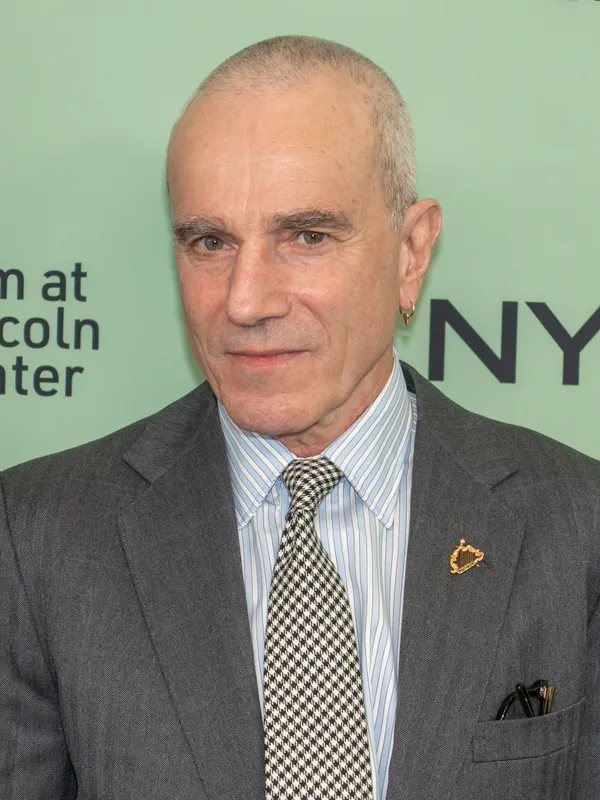 ProfileDaniel Day-LewisActor
Related
Randy Quaid Slams Anne Hathaway Casting in Days of Thunder Sequel
Randy Quaid, who appeared in the original 1990 film, took to X to demand Nicole Kidman's return and dismiss the Hathaway announcement.

Eva Mendes' 'de Gosling' Tattoo Is the Only One She's Ever Wanted
Eva Mendes is showing off her wrist tattoo again — a small but meaningful piece of ink that carries a deep cultural significance.
Steven Spielberg's 'War of the Worlds' Returns to Streaming Amid Debate
Steven Spielberg's 'War of the Worlds' is hitting HBO Max next month, reigniting discussions on its mixed reception.