Federal Judge Clears Trump's $10B Defamation Suit Against BBC to Advance

A Florida federal judge has allowed Donald Trump's $10 billion defamation lawsuit against the BBC to move forward, rejecting the broadcaster's bid to dismiss the case.
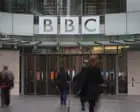
A federal judge in Florida has ruled that Donald Trump's $10 billion defamation lawsuit against the BBC may proceed, delivering a significant early legal setback to the British public broadcaster. The decision, issued Tuesday by Judge Jeffrey T. Kuntz, partially denies the BBC's motion to dismiss and sets the stage for a potentially consequential trial over editorial conduct and press accountability.
The Lawsuit and Its Origins
The case centers on a BBC Panorama documentary titled Trump: A Second Chance, which aired in the period leading up to a U.S. election. Trump alleges that the BBC's editorial team deliberately spliced together two separate statements he made in the run-up to the January 6, 2021 Capitol riot — comments that were delivered approximately 55 minutes apart in his original speech — in a manner that created a materially false impression of his words. The BBC has previously acknowledged and apologized for the editing decision, according to The Guardian World.
What the Judge Found
Judge Kuntz, who was appointed by Trump, concluded that the president had plausibly demonstrated reputational harm from a documentary released close to an election. In his written ruling, the judge argued that accepting a contrary interpretation would effectively discount the inherent stakes of electoral timing.
On the editing itself, Kuntz was pointed in his skepticism of the BBC's framing. The broadcaster characterized the splice as routine condensation of a 70-minute address into a 12-second clip. The judge rejected that characterization outright, writing that the time gap between the two statements was large enough to raise a plausible inference that the resulting segment could not have faithfully represented what Trump actually said. He described the edit not as trimming, but as the construction of something fundamentally different from the original speech.
The judge also cited what he described as a pattern of prior editorial errors in BBC's coverage of Trump, suggesting those instances could be relevant to establishing the broadcaster's state of mind — specifically, whether it acted with reckless disregard for the truth. That standard, known as actual malice, is the legal threshold a public figure must clear to prevail in a defamation case under U.S. law.
Limits of the Ruling
The decision is not a complete victory for Trump. Judge Kuntz dismissed Trump's claim under Florida's Deceptive and Unfair Trade Practices Act, finding it did not apply to this situation. The judge also made clear that while Trump has adequately pleaded actual malice, he will still be required to prove it at trial — a substantially higher bar. Additionally, because the documentary was not broadcast in Florida, Trump will need to demonstrate that he suffered concrete, actual damages.
A separate procedural ruling from late October had already added pressure to the litigation: a Florida magistrate judge ordered Trump to sit for a deposition with BBC lawyers by December 11, or face potential sanctions.
Reactions
The BBC issued a measured statement indicating it was surprised by the ruling but would continue defending itself through the legal process, expressing confidence in its ultimate position. Trump, by contrast, took a combative tone on his Truth Social platform, calling the ruling a "huge victory" and vowing to continue what he framed as a broader fight against deception. As Trump navigates an increasingly crowded legal and political landscape — including tensions with European trading partners over digital services taxes and scrutiny of his administration's financial disclosures — the BBC lawsuit now advances toward what could be a lengthy discovery and trial process.
What Comes Next
With the motion to dismiss partially denied, both sides will move into the discovery phase, which includes the previously ordered Trump deposition. The case raises broader questions about how U.S. defamation law applies to foreign media organizations operating in an era of globally distributed content. The outcome could carry implications well beyond this single lawsuit, touching on press freedom standards and the editorial responsibilities of international broadcasters covering American political figures.
Related on Ni4o: Trump Stalls Bipartisan Housing Bill Over SAVE Act
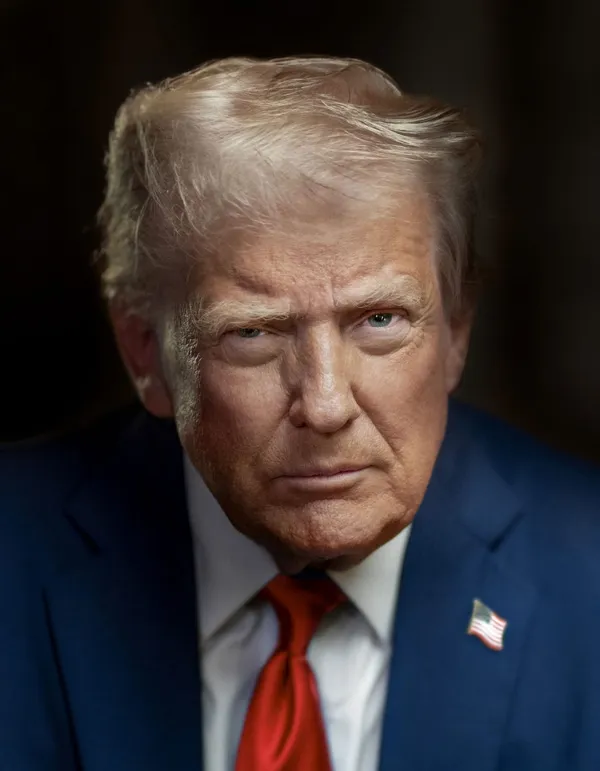 ProfileDonald Trump45th and 47th President of the United States
Related
California Senate Passes Post-Production Tax Bill; Newsom Must Act
SB 2319 cleared the California State Senate 33-5, creating a dedicated post-production tax incentive as the L.A. film industry continues to shrink.

Netanyahu Condemns West Bank Attack on NBC News Team as Settler Violence Escalates
Masked settlers assaulted an NBC News crew and a Palestinian woman in Jalud, injuring four journalists and drawing condemnation from Israel's prime minister.
Park Service Backs Trump Arch Despite Threat to DC Landmark Sightlines
A federal report endorses the proposed 250-foot gilded arch while acknowledging it will disrupt the visual integrity of dozens of historic Washington sites.