Experts Reject Trump's Claim of 250,000 Noncitizens on Voter Rolls

Election security specialists say the DHS figure is methodologically flawed and likely conflates naturalized citizens with ineligible voters.
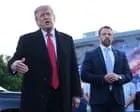
A sweeping claim by President Donald Trump and his homeland security secretary that more than 250,000 noncitizens are illegally registered to vote in four Democratic-run states has drawn immediate and pointed skepticism from election security experts, who say the underlying methodology is unreliable and the number almost certainly overstated. The allegation, which Trump repeated alongside fresh, unverified assertions of Chinese interference in the 2020 race he lost to Joe Biden, has reignited debate over the administration's use of federal data to challenge electoral integrity.
The Claim and Its Origins
DHS Secretary Markwayne Mullin sent letters to election officials in California, Pennsylvania, New Jersey, and Nevada alleging that his department had identified 190,832 potentially ineligible registrants in California, 35,152 in New Jersey, 15,903 in Nevada, and 14,576 in Pennsylvania. A one-page DHS document released Thursday attributed the figures to a comparison of public voter rolls against an immigration database — one originally designed to verify eligibility for federal benefits, not to audit voter registration records.
David Becker, executive director of the Center for Election Innovation & Research, said he was told at a White House briefing that the 250,000 figure was actually derived from a comparison with commercial data — a dataset widely acknowledged to be less precise than official voter records and prone to false matches. "That 250,000 number is an irresponsible number to share given the opaque methodology that they claimed here," Becker said, according to reporting by The Guardian World.
A Known Flaw in the Data
Central to expert criticism is a well-documented limitation in DHS immigration records: naturalized citizens — people who once held noncitizen status before completing the citizenship process — frequently remain listed in older federal databases as ineligible to vote, even years after acquiring full citizenship rights.
The problem is not hypothetical. In 2024, the Campaign Legal Center successfully challenged Alabama in court after the state purged naturalized citizens from its voter rolls solely because they had previously been assigned a noncitizen identification number by DHS. A similar case surfaced in Texas, where a man who became a U.S. citizen more than a decade ago and was born in South Africa had his voter registration canceled after the state ran its voter file through the same DHS verification system.
Census figures add further context: nearly 26 million U.S. citizens are foreign-born naturalized Americans. Of the roughly 7.9 million people who naturalized in the decade before 2025 alone, more than 1.2 million reside in California, nearly 400,000 in New Jersey, nearly 200,000 in Pennsylvania, and close to 100,000 in Nevada — numbers that dwarf, and largely explain, the figures Mullin cited.
Broader Pattern of Disputed Claims
Wendy Weiser, a vice president at the Brennan Center for Justice, stated plainly on social media that the DHS estimates "are almost certainly false or wildly overstated," adding that "this administration has a poor track record with false allegations of election improprieties."
The voter-roll claim arrived alongside Trump's renewed allegation — made without substantive evidence — that China interfered in the 2020 presidential election. U.S. intelligence assessments have consistently concluded that no foreign actor, including China, attempted to alter any technical aspect of that election's process. The 2020 race has remained a persistent flashpoint; questions about the period continue to generate legal and political controversy, as seen in separate disputes such as the Biden memoir tapes case.
What Happens Next
It remains unclear what enforcement steps, if any, DHS intends to pursue following Mullin's letters to state election officials. States retain primary authority over their own voter rolls, and any federal push to compel removals based on the contested data would likely face legal challenges. Election law advocates say the burden should fall on the administration to produce a transparent, peer-reviewed methodology before any action is taken — a standard they argue has not yet been met.
Related on Ni4o: Biden Loses Court Bid to Block Release of Memoir Tapes
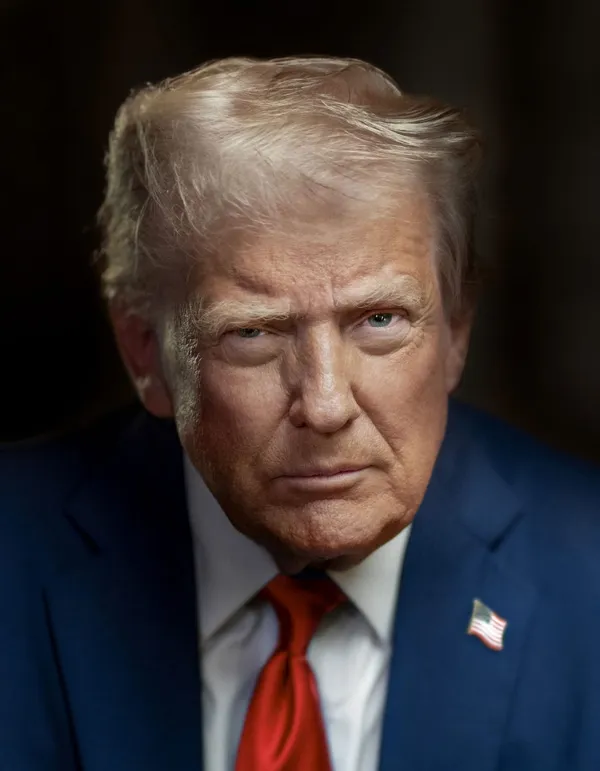 ProfileDonald Trump45th and 47th President of the United States
Related

California Senate Passes Post-Production Tax Bill; Newsom Must Act
SB 2319 cleared the California State Senate 33-5, creating a dedicated post-production tax incentive as the L.A. film industry continues to shrink.

Netanyahu Condemns West Bank Attack on NBC News Team as Settler Violence Escalates
Masked settlers assaulted an NBC News crew and a Palestinian woman in Jalud, injuring four journalists and drawing condemnation from Israel's prime minister.
Park Service Backs Trump Arch Despite Threat to DC Landmark Sightlines
A federal report endorses the proposed 250-foot gilded arch while acknowledging it will disrupt the visual integrity of dozens of historic Washington sites.