Emma Roberts on Costumes, Character and the Craft of Adaptation

At a Tory Burch event on Rodeo Drive, Emma Roberts and producer Nina Jacobson explored how fashion and storytelling are inseparable on screen.
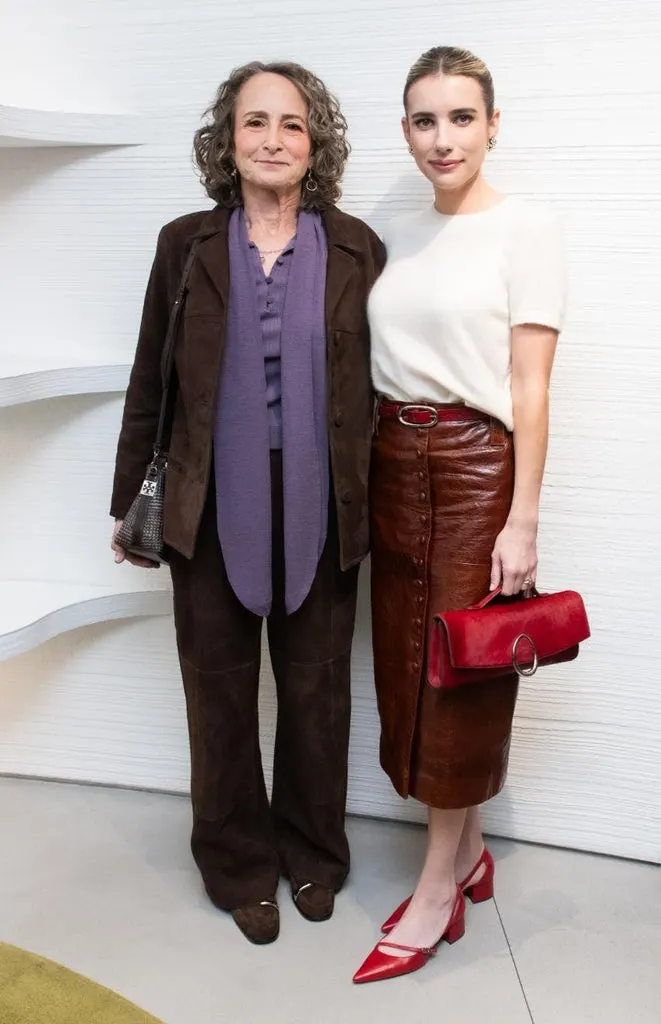
At a boutique on one of Los Angeles' most storied retail corridors, the conversation last week was less about hemlines and more about the deeper architecture of character. Emma Roberts and producer Nina Jacobson gathered at the Tory Burch flagship on Rodeo Drive alongside writer-producer Karah Preiss for a wide-ranging discussion on book-to-screen adaptation, the semiotics of costume design, and the craft of translating interiority into image — according to TheWrap, which covered the event in full.
A Celebration of Adaptation, Hosted in Style
The gathering was co-hosted by Belletrist — the book club and literary community Roberts co-founded with Preiss — and Lionsgate, and served as a cultural warm-up for the forthcoming release of The Hunger Games: Sunrise on the Reaping. Guests browsed Tory Burch's Fall 2026 collection over brunch before the panel convened, with all three speakers dressed in the label: Roberts in a patent leather skirt and cashmere-silk tee with D'Orsay pumps, Jacobson in a suede jacket with a purple ribbed tie-neck top, and Preiss in a layered wool-and-poplin ensemble with tailored trousers.
The aesthetic choices felt appropriately deliberate for a conversation in which clothing was treated not as surface decoration but as narrative instrument.
Subtraction as a Screenwriting Principle
For Jacobson, who has overseen every installment of Suzanne Collins' franchise on its journey from page to screen, successful adaptation is fundamentally an act of editing. She cited screenwriter Billy Ray's analogy of carving an elephant from stone — the work lies in removing everything extraneous until the essential form emerges. The core challenge with the Hunger Games films has always been converting the novels' rich first-person interiority into visible, kinetic action without sacrificing emotional truth.
Interestingly, Jacobson noted that the medium shift for Crazy Rich Asians — moving from film to a television series set to begin production next year — inverts that logic entirely. Where cinema demands compression, serialized television offers the rare luxury of expansion, allowing secondary characters and subplots to breathe in ways a two-hour feature rarely permits.
Fashion as Dystopian Grammar
Costume design occupies a central position in the Hunger Games universe, where visual language communicates political hierarchy before dialogue has a chance to intervene. Jacobson described the new film's aesthetic as drawing from the late 1970s, though the design team was explicitly steered away from period clichés. In District 12, garments are inherited, worn through, and repurposed — a visual vocabulary of scarcity. In the Capitol, excess is the point.
Glenn Close, who portrays Drusilla Sickle, reportedly took an unusually hands-on approach to building her character's exterior. She collaborated with director Francis Lawrence on military-inflected costuming and elaborate wigs, and went as far as using tape to simulate the pulled, surgically taut look of Capitol privilege rather than relying on prosthetics. It is exactly the kind of commitment Jacobson articulated when she described great costume work as a manifestation of character from the inside out.
Roberts on the Actor's Toolkit
For Roberts, preparing for a role involves two unusually literary exercises: imagining the character's wardrobe and curating the books on her fictional bookshelf. It is a methodology that speaks to her genuine investment in narrative — the same sensibility that drives Belletrist. Fans of her broader work, from Scream Queens to her long tenure on American Horror Story, will recognize the precision she brings to character construction.
She recalled a telling anecdote from her AHS years: realizing mid-production that Chelsea Handler's comic memoir was entirely incompatible with the psychological register required between dark takes, she pivoted to Stephen King. Costume fittings, she added, serve a parallel function — a fitting she expected to merely confirm her instincts might instead open up entirely new physical ideas about how a character moves through the world.
Perhaps most memorably, she described finally retrieving the black Prada boots worn by Madison Montgomery in American Horror Story: Coven — thirteen years after filming — only to find the original socks still tucked inside. It is the kind of tactile, time-capsule detail that underscores how deeply costume can anchor an actor's memory of a role.
The Event Dress Code for Cinema
With Sunrise on the Reaping arriving in theaters, Roberts predicted audiences would dress for the occasion much as they did for Barbie — treating the multiplex as something closer to a premiere. The idea resonates with a broader cultural reclamation of moviegoing as ritual rather than mere consumption. "I feel like going to a movie should be an event," she said — a sentiment that, in an era of streaming defaults, carries genuine weight.
Related on Ni4o: Emma Roberts Wed Cody John in a 1,000-Hour Custom Monique Lhuillier Gown · Rhodes, 5, Walks Mom Emma Roberts Down the Aisle at Idaho Wedding
 ProfileEmma RobertsActress & producer
Related
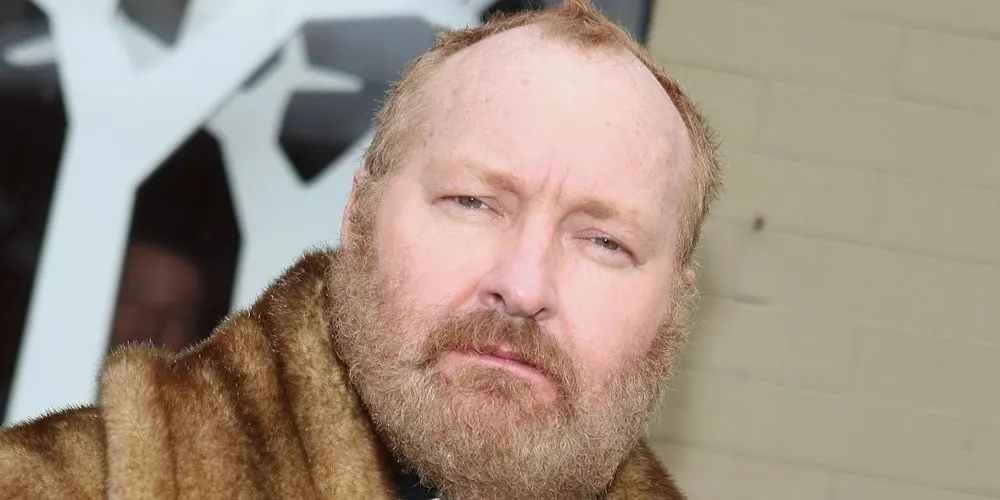
Randy Quaid Slams Anne Hathaway Casting in Days of Thunder Sequel
Randy Quaid, who appeared in the original 1990 film, took to X to demand Nicole Kidman's return and dismiss the Hathaway announcement.
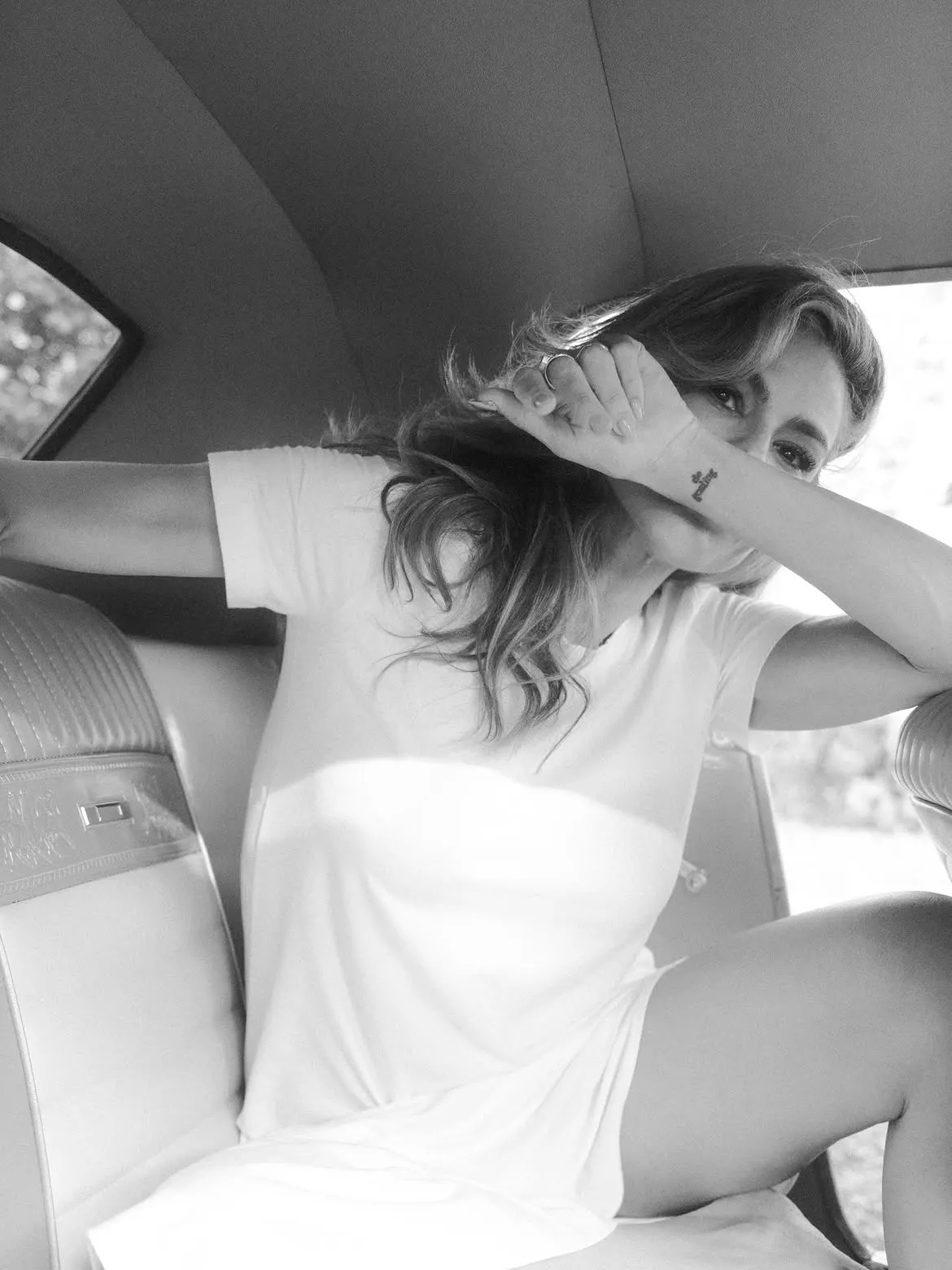
Eva Mendes' 'de Gosling' Tattoo Is the Only One She's Ever Wanted
Eva Mendes is showing off her wrist tattoo again — a small but meaningful piece of ink that carries a deep cultural significance.

Steven Spielberg's 'War of the Worlds' Returns to Streaming Amid Debate
Steven Spielberg's 'War of the Worlds' is hitting HBO Max next month, reigniting discussions on its mixed reception.