Democrats Call for End to Iran War Following Troop Fatalities

After the death of three US troops in Iranian strikes, Democrats urge Trump to scale back military action, highlighting rising casualties and concerns.
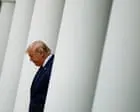
In the wake of escalating military action against Iran, the deaths of three US service members have intensified political pressure for President Donald Trump to reconsider his strategy. Democrats are urging an immediate cessation of hostilities, with concerns rising over increasing American casualties.
Increased Military Engagement and Casualties
The Pentagon confirmed that two soldiers were killed on Friday during an Iranian strike at the Muwaffaq Salti air base in Jordan. The fallen soldiers have been identified as First Lieutenant Tyler James Feehan, 25, from Ewa Beach, Hawaii, and Private Isabella Gonzales, 19, from Carrollton, Texas. Additionally, a third soldier lost his life due to a controlled detonation of unexploded ordnance in northern Iraq, further highlighting the dangers faced by US troops in the region.
This incident marks a troubling escalation in a conflict that has seen US forces engage in their tenth consecutive wave of attacks against Iranian targets. While the administration insists on a resolute military posture, the deaths have sparked a bipartisan discussion on the war's justification and its human cost.
Political Fallout and Calls for Diplomacy
Democratic leaders have seized upon these tragic losses to critique the President’s military strategy. Senator Chris Murphy of Connecticut asserted that Trump has “frighteningly lost control of this war.” He expressed concerns over the rapid increase in the scale of attacks and the subsequent threat of further escalation.
Calls for an end to military operations have become louder within the Democratic caucus. House Democratic leader Hakeem Jeffries decried the Iran conflict as a "reckless and costly war of choice," emphasizing the unnecessary risks faced by American service members. The issue has also prompted Senator Mark Warner to voice concerns about the high number of casualties, urging for a more restrained approach to foreign engagement.
Congressional Actions and Public Sentiment
A series of war powers resolutions have been introduced within Congress aimed at reining in presidential authority in military conflicts. These measures, which require the President to seek congressional approval within 60 days of military intervention, are designed to mitigate the risk of uncontrolled escalation. The Trump administration, however, argues that the timeline for these resolutions does not apply due to interruptions in hostilities earlier this year.
Despite significant political pressure, Republican support for Trump has remained steady. Many party members argue that military action is necessary to respond to perceived threats from Iran, citing the need to safeguard US interests in the region. Representative James Comer from Kentucky called for a decisive military response, contending that the reality of geopolitical threats necessitates a firm stance.
The Broader Implications
As the US grapples with the implications of its military actions, the broader public response has shifted toward wariness regarding the conflict's sustainability and justification. Polling data indicates declining approval for Trump's handling of both the economy and the Iran situation, with figures at 29% for the latter. The sharp rise in fuel prices linked to the ongoing military engagement has compounded frustrations among the American public.
With Iranian forces vowing retaliation against US allies in the region, the potential for further escalation looms large. As tensions remain high and casualties mount, the call for diplomacy, echoed by figures like Jeanne Shaheen of the Senate Foreign Relations Committee, serves as a reminder of the challenges posed by military conflict.
Calls for a return to diplomatic negotiations are not merely partisan but reflect the urgent need to address the issues at stake. The future of US military involvement in Iran will likely hinge on the responses from both political leadership and public opinion, as the consequences of inaction become ever more apparent.
As this situation develops, observers will be closely monitoring any shifts in policy direction that may emerge from Congress or the White House. Further military engagement without clear objectives could lead to more loss of life and raise critical questions regarding US foreign policy.
Related on Ni4o: Trump Stalls Bipartisan Housing Bill Over SAVE Act · Trump Meets NATO Chief Rutte Amid Europe Tensions · Trump's Freedom 250 Concert Series Unravels as Vanilla Ice Show Rained Out
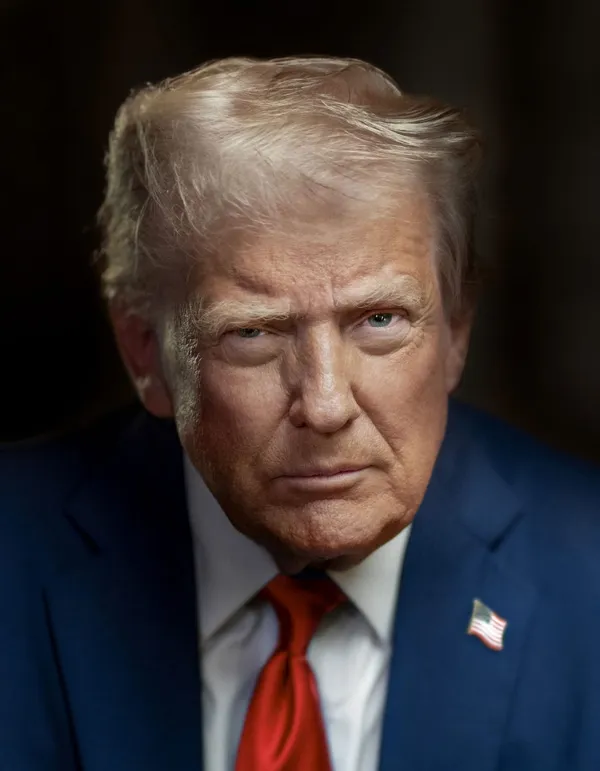 ProfileDonald Trump45th and 47th President of the United States
Related
California Senate Passes Post-Production Tax Bill; Newsom Must Act
SB 2319 cleared the California State Senate 33-5, creating a dedicated post-production tax incentive as the L.A. film industry continues to shrink.

Netanyahu Condemns West Bank Attack on NBC News Team as Settler Violence Escalates
Masked settlers assaulted an NBC News crew and a Palestinian woman in Jalud, injuring four journalists and drawing condemnation from Israel's prime minister.

Park Service Backs Trump Arch Despite Threat to DC Landmark Sightlines
A federal report endorses the proposed 250-foot gilded arch while acknowledging it will disrupt the visual integrity of dozens of historic Washington sites.