Collins Diverts from Trump in Maine Senate Debate with Jackson

Senator Susan Collins sought to assert her independence in a debate against Troy Jackson, distancing herself from Trump and his policies.

In a critical televised debate for the Maine Senate seat, Republican Senator Susan Collins aimed to distinguish herself from former President Donald Trump while facing off against Democratic challenger Troy Jackson. Collins' performance highlighted the stakes of the race in a state that has consistently opposed Trump in past elections.
A Claim of Independence
During the debate, Collins asserted that she is not Trump’s preferred senator, reflecting her effort to position herself as a moderate Republican in a state that has not backed Trump in any of his three presidential bids. This positioning is crucial, particularly given Maine’s tendency to lean Democratic in statewide elections. Collins went so far as to state that she has cast her vote with President Joe Biden over 90% of the time, marking a notable departure from party lines that many Republican senators might typically avoid.
Jackson's Accusations
Democratic candidate Troy Jackson did not shy away from highlighting Collins’ past ties to the former president. He pointed out that she voted in alignment with Trump 96% of the time. Jackson's strategy included a direct attack on Collins for her controversial vote confirming Brett Kavanaugh to the Supreme Court, a decision he linked to the court's recent decision to overturn Roe v. Wade, which has erased federal protections for abortion rights.
"Eight years ago today, Maine women went to D.C. and begged Senator Collins not to confirm Brett Kavanaugh, but she did it anyway," Jackson stated, signaling that he intends to make this a pivotal point in his campaign.
Collins on Policy Differences
Amid Jackson's critiques, Collins highlighted several policy areas where she diverges from Trump, particularly concerning U.S. foreign relations and economic policies impacting Maine. She expressed her disapproval of the ongoing conflict with Iran, underscoring that she has voted nine times to end the war, describing it as poorly conceived.
Furthermore, she criticized Trump’s tariffs on Canada, asserting that Canada is a key ally and should not be considered an adversary like China. "I have been the most outspoken opponent of the tariffs on Canada," she argued, likely aiming to rally support from constituents concerned about the economic ramifications of such policies.
A Delicate Dance for Collins
The debate presented a complex challenge for Collins, who has held her Senate seat since 1996. As a candidate who has often portrayed herself as a moderate, her strategy reflects both the necessity to appeal to Maine’s electorate as well as her commitment to her party's values. Such a balancing act may be crucial in a contest that carries significant implications for Democratic ambitions to gain ground in the Senate.
When asked about Trump potentially visiting Maine during the campaign trail, Collins expressed skepticism, stating, "I don’t think that President Trump is going to come to Maine... I’m not exactly his favorite senator.” Her careful phrasing attempts to further cement her narrative of independence from Trump, even as some may view her past votes as contradictory to this positioning.
As the race intensifies, both candidates will need to clarify their stances and appeal to voters who are likely weighing national issues, such as abortion rights and trade relationships, against local concerns within Maine. With the election approaching, the outcome of this Senate race appears pivotal not only for Maine but also for the broader political landscape heading into future elections.
Collins’ nuanced approach may prove consequential as she maneuvers through challenges posed by both her opponent and her party’s former leader, offering a potent reminder of the fractures present within modern Republicanism.
For additional context on Trump’s ongoing influence, see related discussions on Trump Stalls Bipartisan Housing Bill Over SAVE Act and Trump Threatens 100% Tariff on EU Digital Services Tax.
Related on Ni4o: Trump Stalls Bipartisan Housing Bill Over SAVE Act · Trump Meets NATO Chief Rutte Amid Europe Tensions · Trump's Freedom 250 Concert Series Unravels as Vanilla Ice Show Rained Out
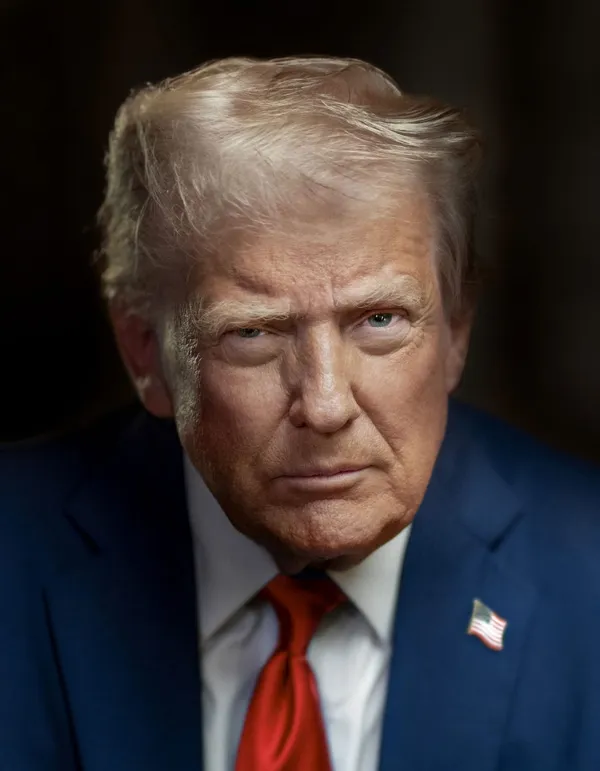 ProfileDonald Trump45th and 47th President of the United States
Related
California Senate Passes Post-Production Tax Bill; Newsom Must Act
SB 2319 cleared the California State Senate 33-5, creating a dedicated post-production tax incentive as the L.A. film industry continues to shrink.

Netanyahu Condemns West Bank Attack on NBC News Team as Settler Violence Escalates
Masked settlers assaulted an NBC News crew and a Palestinian woman in Jalud, injuring four journalists and drawing condemnation from Israel's prime minister.

Park Service Backs Trump Arch Despite Threat to DC Landmark Sightlines
A federal report endorses the proposed 250-foot gilded arch while acknowledging it will disrupt the visual integrity of dozens of historic Washington sites.