California Voters Reject Proposition 40 Billionaire Wealth Tax

A one-time 5% levy on Californians worth over $1 billion was defeated after a record-breaking $425 million opposition campaign funded by Silicon Valley.
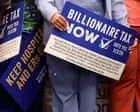
California voters have rejected Proposition 40, a one-time tax on billionaire wealth that drew the most expensive ballot measure opposition campaign in the state's history. The defeat marks a significant setback for progressive advocates pushing for greater taxation of the ultra-wealthy and could dampen similar efforts elsewhere in the country.
What Prop 40 Would Have Done
Proposition 40 proposed a single 5% tax on all California residents with a net worth exceeding $1 billion, calculated as of January 1, 2026. Sponsored by SEIU-United Healthcare Workers West, the measure directed its proceeds toward healthcare programs, with additional funding earmarked for education and food assistance. Supporters framed the initiative as a direct response to severe Medicaid and healthcare cuts stemming from the federal One Big Beautiful Bill Act, arguing that taxing the state's wealthiest individuals was a reasonable mechanism to plug the gap.
A Record-Breaking Opposition Campaign
The campaign against Prop 40 was extraordinary in both scale and cost. According to The Guardian World, Silicon Valley executives and investors — including figures from Google, Palantir, DoorDash, Stripe, and Reddit — bankrolled a nearly $425 million opposition effort, the largest in California ballot measure history. At its peak, spending exceeded $2.5 million per day during the first two weeks of October. Google co-founder Sergey Brin was the single largest donor, contributing at least $132 million to the anti-tax campaign.
Opponents branded the measure not as a targeted billionaire tax but as "an everyone tax," a framing that proved influential with many voters.
Counter-Measures and 'Poison Pills'
The opposition deployed a multi-pronged strategy beyond advertising, placing two competing measures on the same ballot: Proposition 41, which directly targeted the billionaire tax, and Proposition 42, a broader proposal that would prohibit any new taxation on billionaire wealth in the state. The structure of these counter-measures was deliberately designed so that if either received more affirmative votes than Prop 40, they would nullify the wealth tax — even if the original measure itself passed. Prop 40 supporters labeled these initiatives "poison pills."
Newsom Among the Opposition
Notably, the "no" coalition was not limited to Republican opponents or billionaire donors. Governor Gavin Newsom, a Democrat, steadfastly opposed Proposition 40 throughout the campaign. Both the Democratic and Republican candidates vying to succeed him in the governor's race also came out against the measure. Even Planned Parenthood Affiliates of California, a healthcare advocacy organization, joined the opposition, citing concerns about the tax's one-time structure and its narrow allocation of funds.
Newsom has shown a pattern of intervening in high-stakes economic disputes, as seen previously in areas ranging from labor legislation to entertainment industry policy and corporate antitrust matters. His opposition to Prop 40 adds another dimension to his complex relationship with both business interests and the progressive wing of his party.
Progressive Backing Was Not Enough
The measure did draw prominent progressive support. Senator Bernie Sanders of Vermont and California Congressman Ro Khanna endorsed Prop 40, as did the state's major labor unions. Advocates argued the revenue was urgently needed to protect vulnerable Californians from the fallout of federal cuts. That coalition, however, was outspent and outmaneuvered.
Broader Implications
The defeat of Prop 40 carries consequences well beyond California's borders. Progressive movements in other states have been watching the outcome closely, hoping a California victory would generate momentum for similar wealth tax proposals nationwide. With the measure failing, that momentum may stall. The result also underscores the considerable power that concentrated private wealth can exercise in shaping electoral outcomes — particularly when organized early and spent aggressively.
Whether California's legislature or a future ballot campaign will revisit the question of taxing ultra-high-net-worth individuals remains to be seen. For now, the state's billionaires have successfully defended their financial position at the polls.
Related on Ni4o: SAG-AFTRA's Sean Astin Pressures Newsom to Back Postproduction Tax Bill
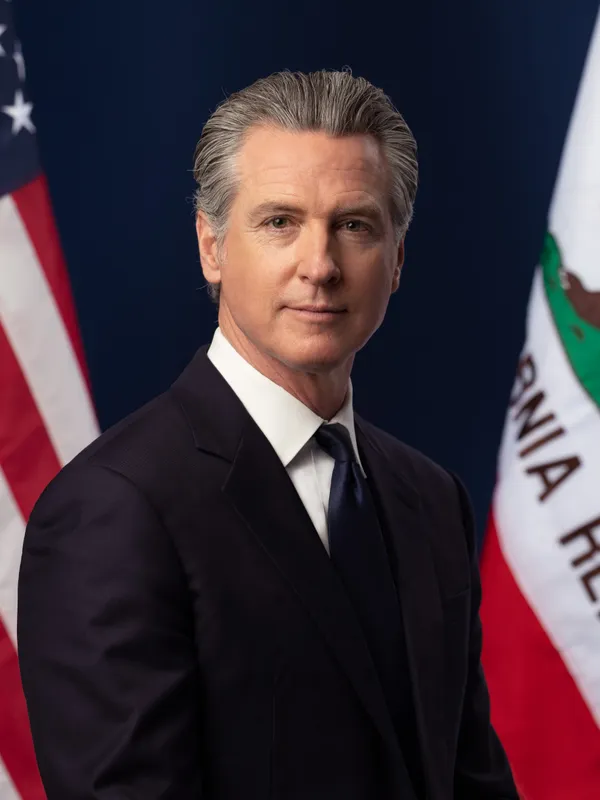 ProfileGavin NewsomGovernor of California
Related

California Senate Passes Post-Production Tax Bill; Newsom Must Act
SB 2319 cleared the California State Senate 33-5, creating a dedicated post-production tax incentive as the L.A. film industry continues to shrink.

Netanyahu Condemns West Bank Attack on NBC News Team as Settler Violence Escalates
Masked settlers assaulted an NBC News crew and a Palestinian woman in Jalud, injuring four journalists and drawing condemnation from Israel's prime minister.

Park Service Backs Trump Arch Despite Threat to DC Landmark Sightlines
A federal report endorses the proposed 250-foot gilded arch while acknowledging it will disrupt the visual integrity of dozens of historic Washington sites.