Nvidia's Huang Calls Smuggled-Chip Data Centers a 'Dead End'

Jensen Huang told Nvidia shareholders that data centers built from smuggled chips are a dead end and that U.S. national security comes ahead of any overseas sale.
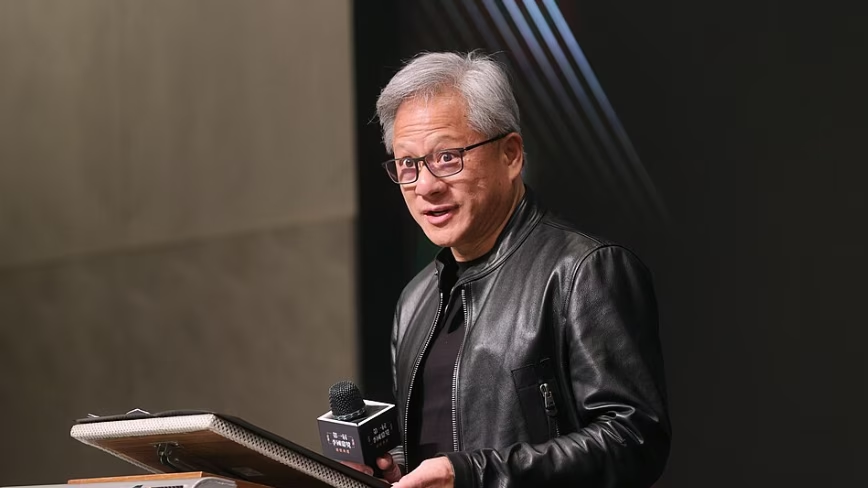
Security ahead of the sale
Nvidia's annual meeting with stockholders is usually a victory lap, but this year chief executive Jensen Huang turned part of the stage into a warning shot aimed at chip smugglers. According to The Next Web, Huang told investors at the June 24 gathering that whenever a commercial opportunity collides with the interests of the United States, the country's security has to win out, and he reiterated that Nvidia plays by Washington's export rules.
"National security comes first," Huang said during the meeting, a line that doubled as both a corporate position and a message to the policymakers watching from the East Coast.
The remark matters because Nvidia sits at the center of an escalating tug-of-war. Its most advanced accelerators are the engines of the global AI boom, and that demand has spawned a thriving grey market for hardware that is not supposed to leave the country. Huang's job, increasingly, is to convince Washington that the company is an ally rather than a leak.
Why diverted hardware leads nowhere
The heart of Huang's argument was practical, not just political. He contended that you cannot simply bolt together a cutting-edge AI cluster out of chips that fell off the back of a truck. Modern facilities, in his telling, are "massive integrated systems that require trusted hardware, software, networking, and continuing support" - the kind of ongoing relationship Nvidia will not extend to smuggled gear.
In other words, a rack of high-end GPUs is close to useless without the firmware updates, drivers, networking fabric, and engineering support that only the vendor can provide. Buy the silicon on the black market and you are left holding hardware that ages out fast and never reaches its rated performance.
The backdrop, per The Next Web, is a string of enforcement actions:
- Supermicro co-founder Wally Liaw was charged in March with conspiring to smuggle roughly $2.5 billion in Nvidia servers to China.
- Taiwan carried out its first AI-chip smuggling prosecution in May, raiding 12 locations.
- Grey-market prices for Nvidia's B300 servers in China have reportedly climbed to around $1 million apiece.
Those figures explain both the temptation to smuggle and Huang's insistence that the strategy is a dead end.
The shrinking China business
Huang did not dodge the obvious cost of all this: Nvidia is selling less in one of the world's biggest markets. The Next Web reported that China slipped to about 9% of the company's fiscal 2026 revenue, down from 13% a year earlier, as tighter controls and political friction bite.
He paired that admission with a broader pitch for the AI build-out, declaring that "the question of AI return on investment has been answered." Nvidia's systems may carry a premium sticker price, he argued, but they ultimately deliver "the lowest cost tokens" - a nod to the efficiency that keeps hyperscalers coming back.
A company with room to be patient
The numbers gave Huang the leverage to take a hard line. According to the report, Nvidia generated $216 billion in revenue and $96 billion in free cash flow in fiscal 2026, a war chest that lets it walk away from sales it considers risky.
Taken together, the message was a balancing act familiar to anyone tracking the chip wars: Nvidia wants to be seen as indispensable to the AI era and as a dependable partner to U.S. regulators, even when that reputation costs it lucrative orders abroad. For Huang, framing smuggled-chip data centers as doomed is also a way of telling buyers that the safest path runs straight through Nvidia's front door.
Related on Ni4o: Xi Hosts Hun Sen to Deepen China-Cambodia Ties
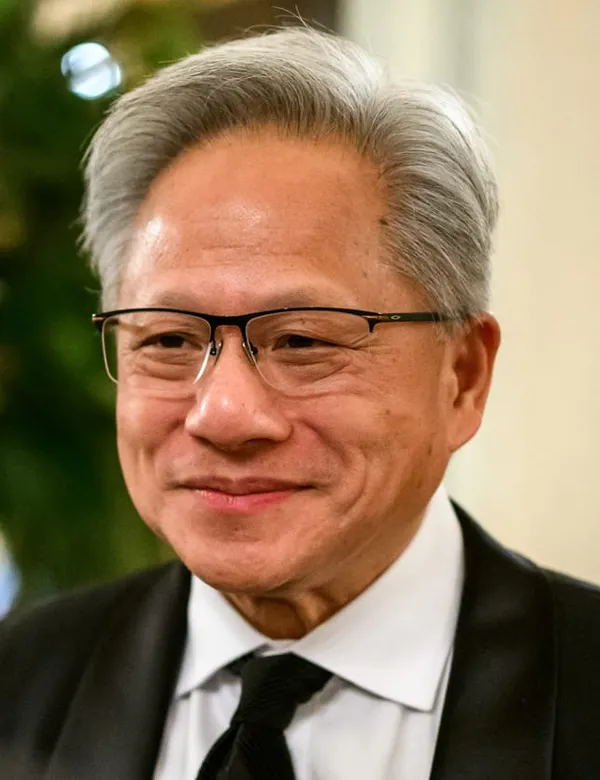 ProfileJensen HuangCo-founder and CEO of Nvidia
Related
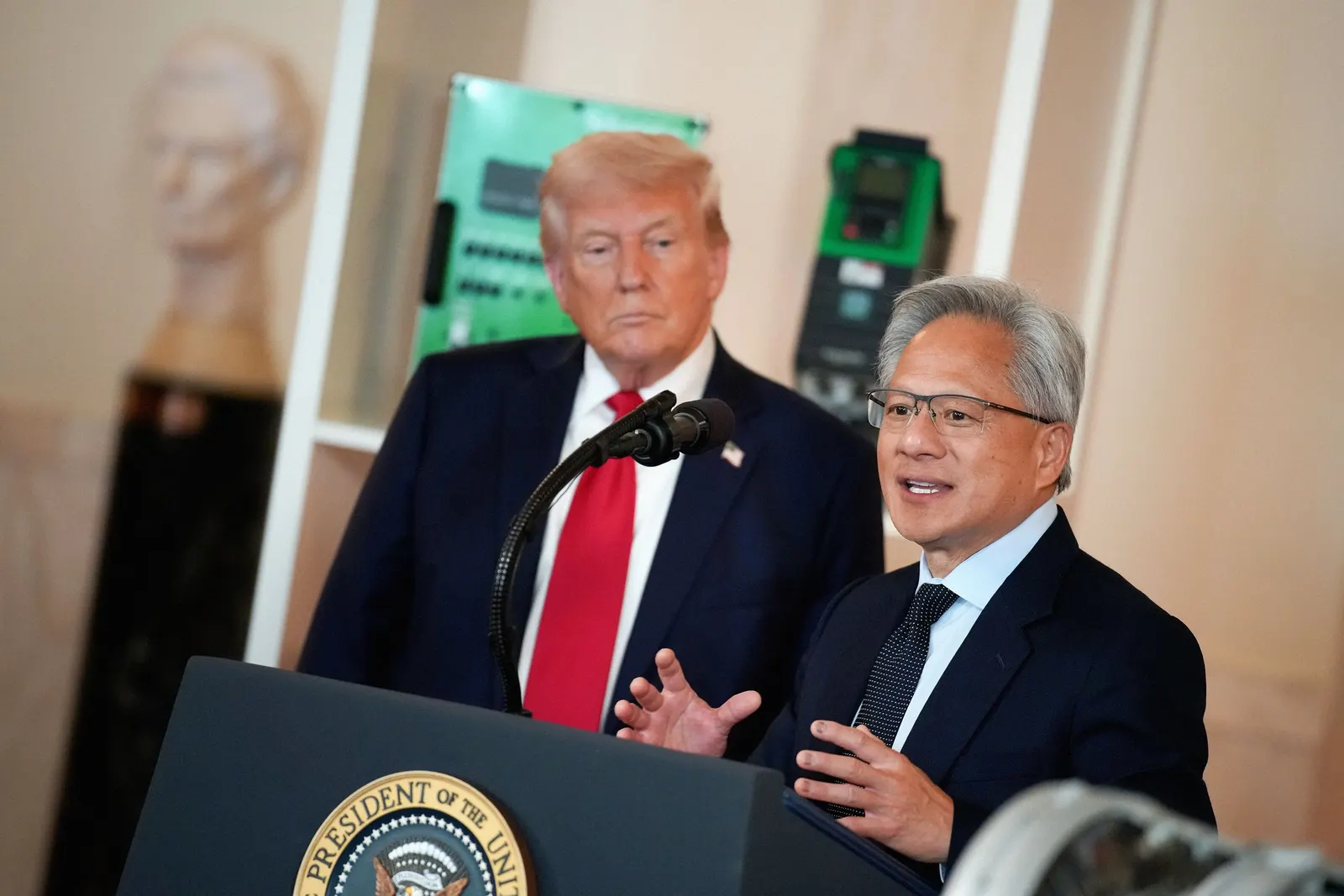
Jensen Huang's Call from Trump Disrupts Nvidia's All-Hands Meeting
During Nvidia's recent all-hands meeting, CEO Jensen Huang received an unexpected call from Donald Trump, sparking employee buzz about its implications.
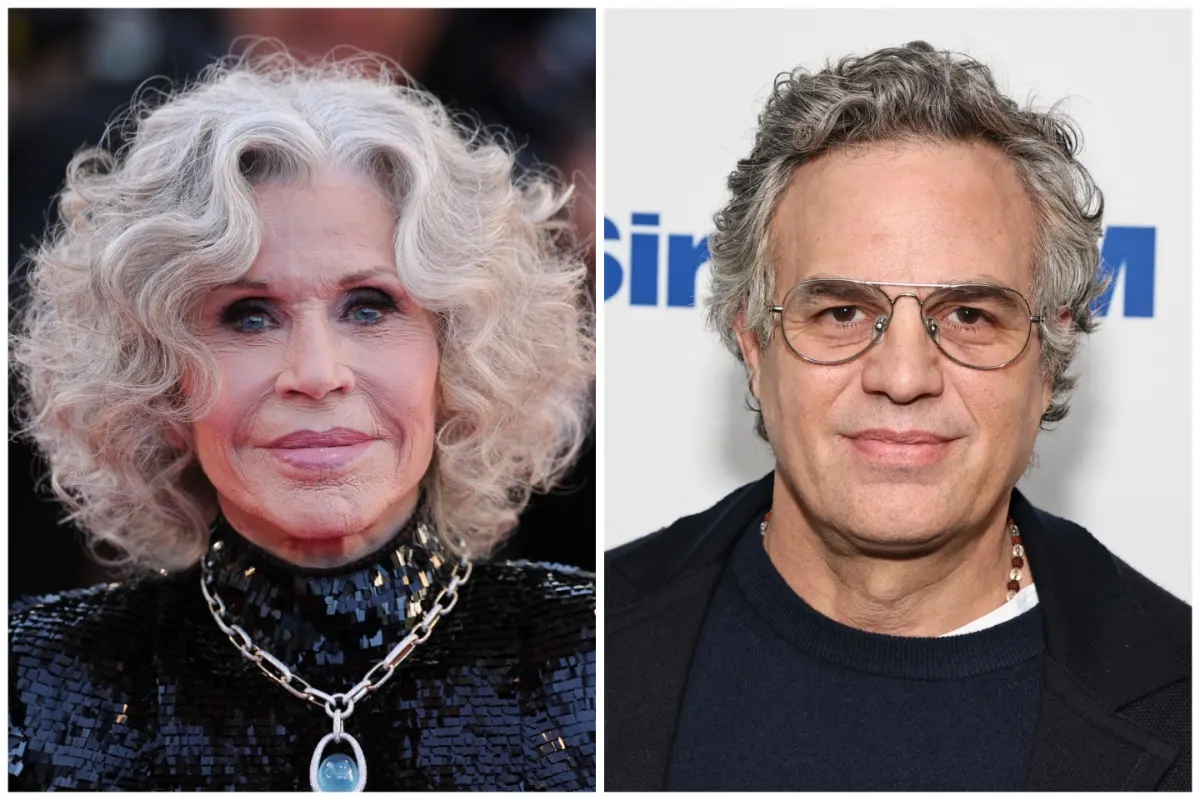
Jane Fonda Supports Mark Ruffalo Amid Controversy Over Antisemitism Claims
Jane Fonda stands by Mark Ruffalo after he was labeled antisemitic by Paramount for criticizing Larry Ellison's ties to Israel and a major merger.
Mark Ruffalo Ties Oracle's Military Tech to Paramount Deal, Studio Fires Back
The Hulk actor linked Larry Ellison's Oracle to Israel's military operations, prompting an unusual public response from Paramount calling the remarks antisemitic.