Brazil and China Push Back Hard Against Trump's New Tariff Offensive

Brazil vows it will not yield to US tariff pressure while China calls the latest levies political manipulation targeting 14 major trading partners.
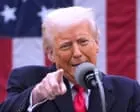
Donald Trump's latest push to reshape global trade through broad new tariffs has drawn sharp rebukes from two of the world's largest economies, with Brazil calling the measures unacceptable and China accusing Washington of political manipulation. The administration is targeting 14 major trading partners, including China, the European Union, and several key Asian economies, in what it frames as a corrective response to unfair trade practices.
Brazil Draws a Line
Brazil's government was among the most forceful in its rejection of the proposed duties, issuing a statement Wednesday declaring that the country would not capitulate to what it characterized as a threat. Officials described the unilateral decision as incompatible with the ongoing bilateral negotiating process between the two nations, calling it a breach of good-faith diplomacy.
The specific measures that drew Brazil's ire include higher import taxes on raw and refined sugar, along with a proposed 10% tariff on aircraft — a move that would directly impact Embraer, the country's flagship aviation manufacturer. While Brazil signaled it would continue engaging in negotiations, the government explicitly left open the possibility of retaliatory action, warning it would not rule out countermeasures against what it termed illegal and unjust tariff impositions.
China Accuses Washington of Political Manipulation
China faces the steepest proposed rate under the new framework, with the US setting a cap of 20% that, in certain categories, would stack on top of existing levies to reach a combined rate of 45%. China's embassy in Washington rejected the administration's framing that China is a source of industrial overcapacity, with a spokesperson calling that characterization a pretext for political manipulation rather than a legitimate trade concern.
China's foreign ministry echoed that position, with spokesperson Guo Jiakun warning that a tariff war benefits no one and urging dialogue to resolve outstanding disputes. The ministry's stance stopped short of an explicit retaliation threat, with officials instead appealing to commitments secured between Trump and Chinese President Xi Jinping. A US-China trade truce reached last year is currently set to expire in January 2027.
US Trade Representative Jamieson Greer defended the approach, telling CNBC that many trading partners have adopted market-distorting practices that have tilted the trade balance against American manufacturers. He also noted that roughly $30 billion in Chinese goods would be covered by a broad exemption consistent with the existing deal. Some American analysts, however, argued the measures do not go far enough, with one scholar at the American Enterprise Institute contending that the new tariffs would do little to alter China's trade behavior.
This pattern of using tariffs as a primary lever of economic pressure is not new for the administration. As previously reported, Trump has threatened a 100% tariff on the EU over digital services taxes, signaling an aggressive posture that extends well beyond the current announcement.
Other Nations Respond
Several other affected countries offered more measured responses, according to The Guardian World. Vietnam said it was working to finalize its trade deal with the US as quickly as possible. India denied it maintains structural overcapacity in any sector and expressed commitment to concluding a bilateral trade agreement. Taiwan, meanwhile, expressed confidence it would retain its existing 15% tariff rate, citing trade agreements signed with Washington in January and February of this year covering semiconductors and other technology products that account for more than 70% of its US-bound exports.
Japan's top government spokesman called it regrettable that Tokyo had been singled out in the announcement. The full list of affected regions also includes Bangladesh, Cambodia, Indonesia, South Korea, Malaysia, Singapore, Switzerland, and Thailand.
Political Headwinds at Home
Domestically, the tariffs may face resistance on Capitol Hill, though Trump retains veto power over any legislative effort to roll them back. Democratic Senator Ron Wyden of Oregon, set to chair the Senate Finance Committee, pledged to use every available tool to counter what he described as tariff chaos, arguing that unilateral price-hiking measures are not the answer to global overcapacity challenges. The administration has scheduled an industry feedback hearing for January 25, suggesting final duties would not take effect until February or March at the earliest.
The tariff push comes amid a broader period of international friction for the administration. Trump's recent meeting with NATO Secretary General Mark Rutte also underscored ongoing strains between Washington and its traditional allies in Europe.
Related on Ni4o: Trump Stalls Bipartisan Housing Bill Over SAVE Act
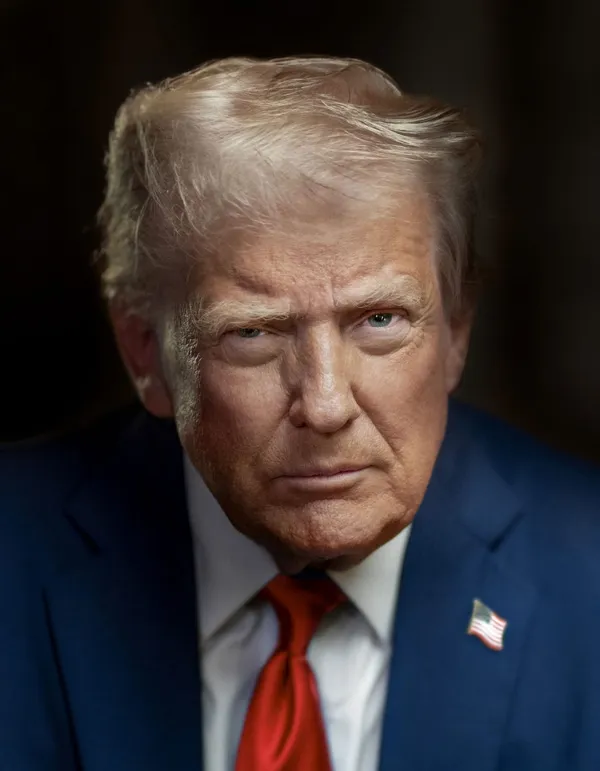 ProfileDonald Trump45th and 47th President of the United States
Related
California Senate Passes Post-Production Tax Bill; Newsom Must Act
SB 2319 cleared the California State Senate 33-5, creating a dedicated post-production tax incentive as the L.A. film industry continues to shrink.

Netanyahu Condemns West Bank Attack on NBC News Team as Settler Violence Escalates
Masked settlers assaulted an NBC News crew and a Palestinian woman in Jalud, injuring four journalists and drawing condemnation from Israel's prime minister.
Park Service Backs Trump Arch Despite Threat to DC Landmark Sightlines
A federal report endorses the proposed 250-foot gilded arch while acknowledging it will disrupt the visual integrity of dozens of historic Washington sites.