Betty Gilpin Drops Sam Altman's Name at the Emmys — and Not to Praise Him

The Widow's Bay actress won her first Emmy and used the moment to take a quiet but pointed swipe at the AI industry's most recognizable face.
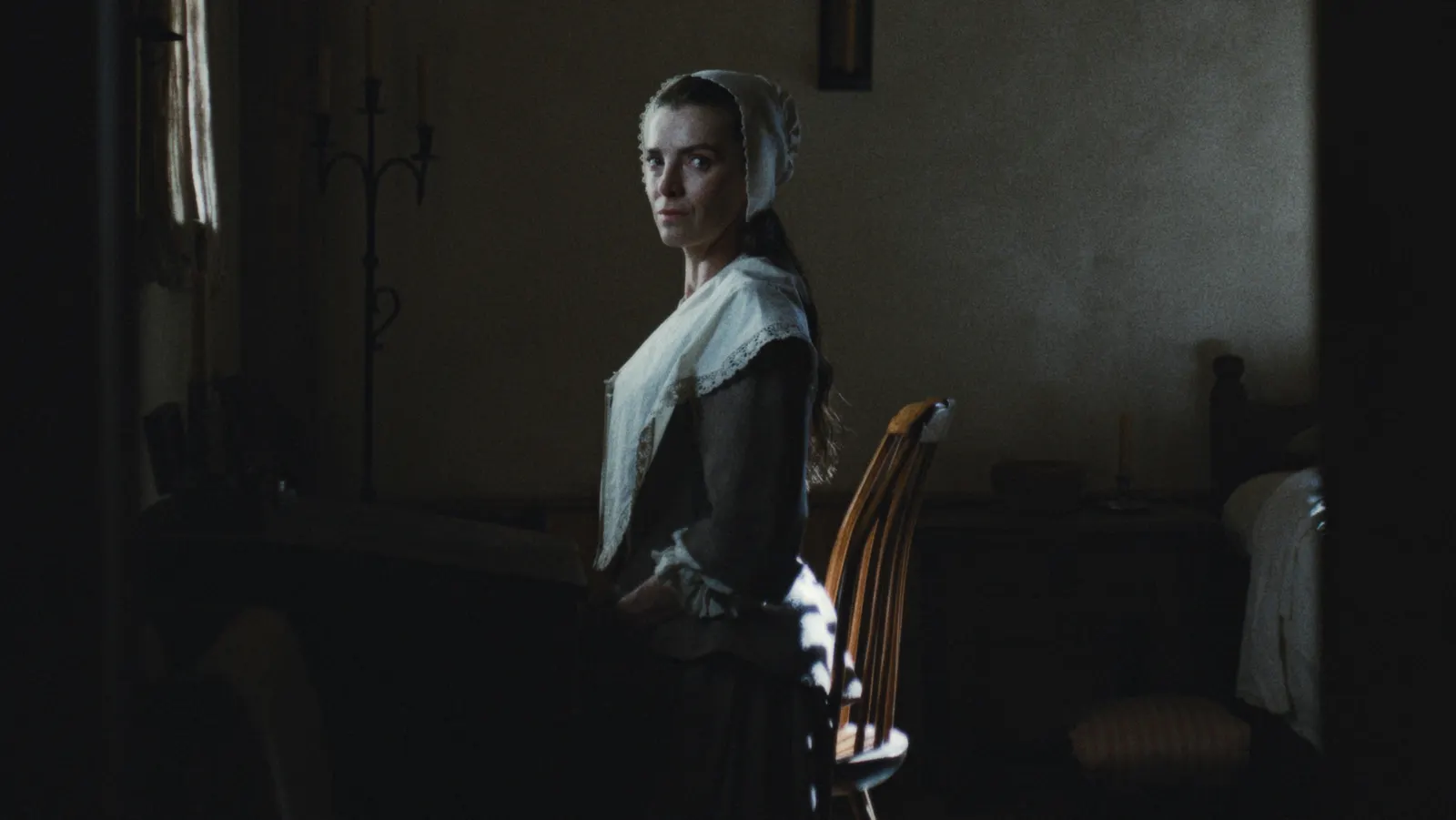
Betty Gilpin picked up her first Emmy on Night 2 of the 2026 ceremony and turned the acceptance podium into something closer to a literary reading than a thank-you list. The line that stuck — a nudge toward playwright Sam Shepard and away from Sam Altman — landed clearly enough that it will likely travel well beyond the room.
What Actually Happened
Gilpin won the Guest Actress in a Comedy Series category for her role in Apple TV+'s Widow's Bay, where she plays Sarah Westcott Warren, an 18th-century character caught inside a horror-comedy framework. According to Deadline, she walked onstage and read aloud a lengthy poem she had written on her phone — a reflection on her career in acting rather than a conventional list of producers and agents to thank.
The poem was described as "manic," and toward the end she delivered the line that's now circulating: an appeal for the culture to lean toward Sam Shepard — the late American playwright known for raw, human-centered drama — and away from Sam Altman, the CEO of OpenAI and probably the most visible figure in the current AI industry push.
Why the Name Drop Registers
It's easy to read the moment as a throwaway joke, but the framing is pretty deliberate. Shepard spent his career writing about fractured people in specific, unglamorous situations. Altman, meanwhile, has been at the center of a broader argument about whether AI tools are good or bad for creative work — a conversation that has gotten louder among writers and performers specifically.
That argument isn't new. Author Dave Eggers made a similar point directly to OpenAI staff, telling them he believed ChatGPT was suppressing a generation's ability to develop genuine voice. Gilpin's line at the Emmys lands somewhere in the same territory: a preference for the difficult, human-made thing over the frictionless, machine-assisted version.
The Altman Context
For anyone less plugged into the tech side of things, Altman has had a busy couple of years. OpenAI has been navigating questions about its long-term structure and a potential IPO, while also managing pressure from regulators and the federal government — including a reported request to stagger the rollout of GPT 5.6. He's become the face of the AI buildout in a way that makes him an obvious stand-in for the industry as a whole, which is probably exactly how Gilpin was using the name.
That symbolic shorthand is doing real work in cultural spaces right now. Award shows, literary circles, and journalism are all processing what it means that generative AI is accelerating while creative industries are contracting. Dropping Altman's name at the Emmys, in a poem, after winning for a performance that required playing a deeply specific 18th-century human being — it's pointed.
The Bigger Picture for Creative Work
Gilpin's speech won't change policy or slow any product roadmap. But these kinds of public moments do reflect a genuine friction between people who make things for a living and an industry that increasingly argues its tools can assist — or replace — parts of that process.
Whether you find Altman's vision of AI development concerning or reasonable, the Emmys podium is not a neutral space for those kinds of comparisons. Gilpin used it deliberately, and the crowd apparently responded. The fact that a Guest Actress win became a minor talking point about AI and authorship says something about where the culture is right now — even if it doesn't say exactly what comes next.
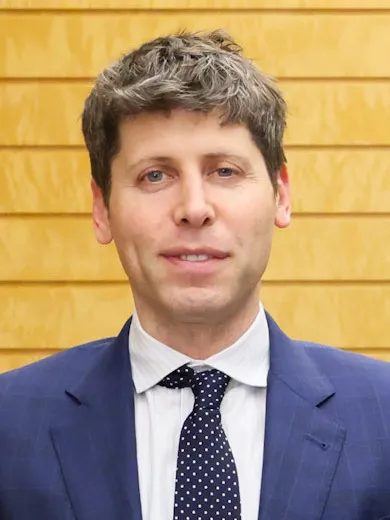 ProfileSam AltmanTech entrepreneur & OpenAI CEO
Related
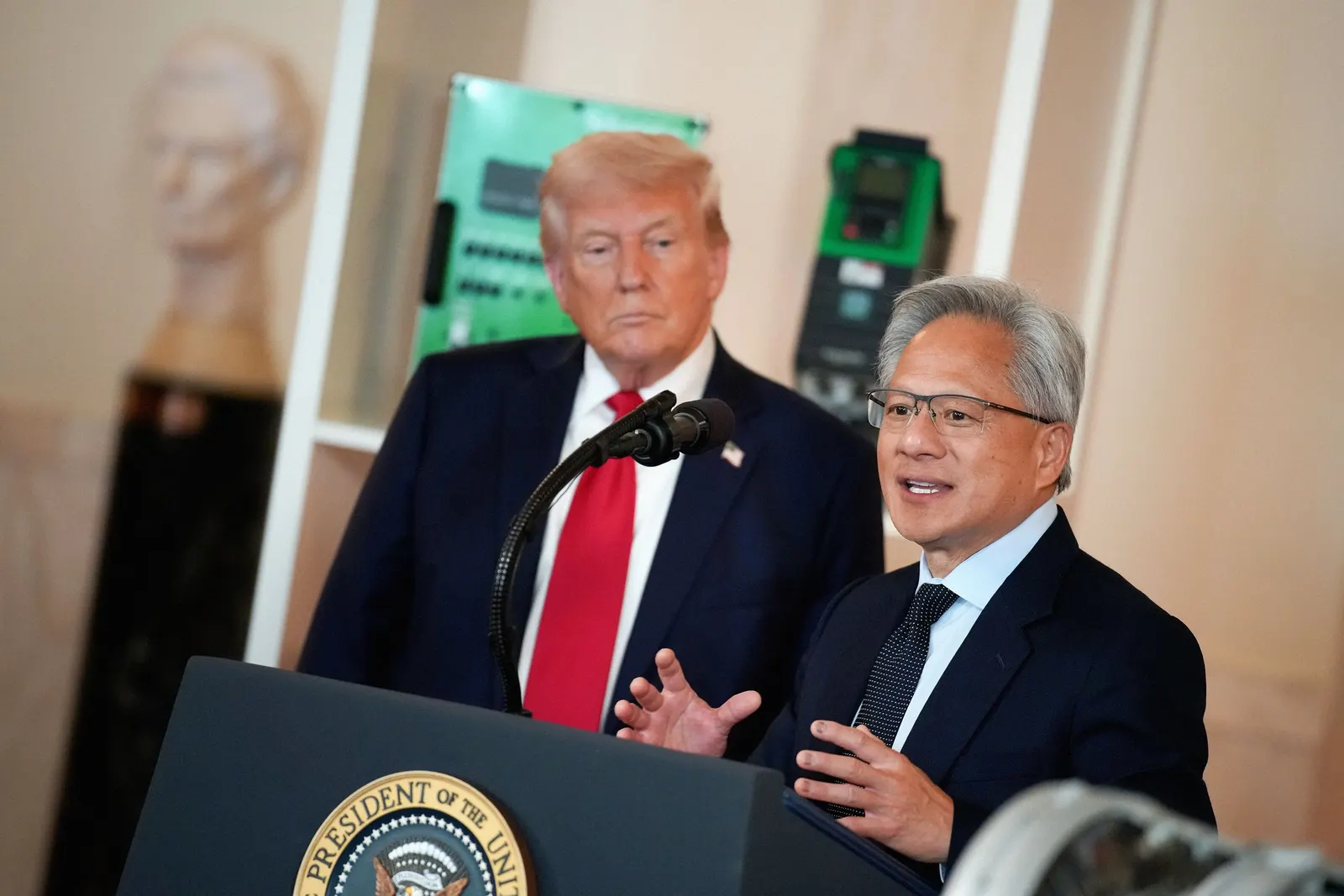
Jensen Huang's Call from Trump Disrupts Nvidia's All-Hands Meeting
During Nvidia's recent all-hands meeting, CEO Jensen Huang received an unexpected call from Donald Trump, sparking employee buzz about its implications.
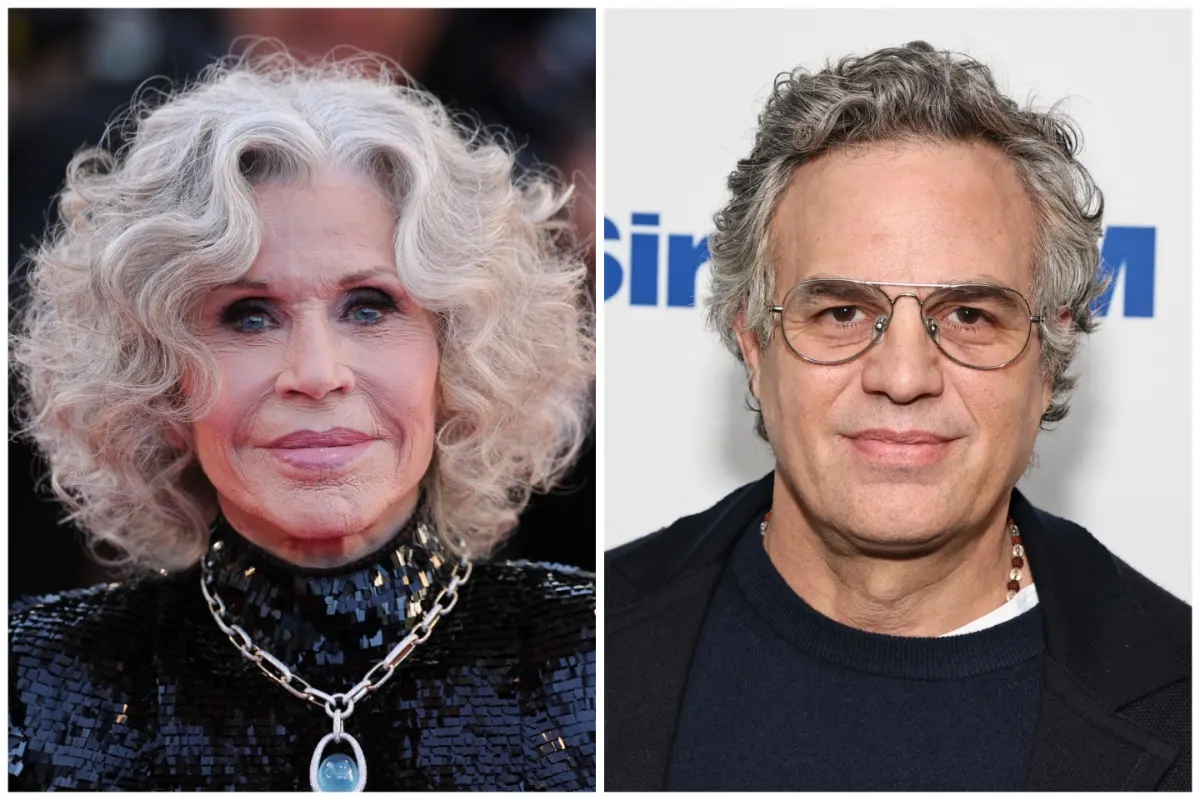
Jane Fonda Supports Mark Ruffalo Amid Controversy Over Antisemitism Claims
Jane Fonda stands by Mark Ruffalo after he was labeled antisemitic by Paramount for criticizing Larry Ellison's ties to Israel and a major merger.
Mark Ruffalo Ties Oracle's Military Tech to Paramount Deal, Studio Fires Back
The Hulk actor linked Larry Ellison's Oracle to Israel's military operations, prompting an unusual public response from Paramount calling the remarks antisemitic.