Sam Altman Agrees to Staggered GPT 5.6 Launch After US Gov Request

OpenAI is rolling out GPT 5.6 to a small group of vetted partners first, after the federal government asked for a phased release — and OpenAI isn't happy about it.

OpenAI is releasing its new GPT 5.6 model series in stages, starting with a limited set of trusted partners, after the US government asked it to slow down. Sam Altman made clear to staff that this isn't how the company wanted to do things, but it agreed to the process as a short-term measure.
What's Actually Happening
According to The Guardian Business, OpenAI announced the GPT 5.6 series on Friday, but instead of a standard broad launch, only a "small group" of partners are getting access at first. Those partners are all US-based, at least to start. Employees at those companies who are working in certain other countries — including the UK and Australia — will also be able to use the model.
The two government offices that drove this request were the Office of the National Cyber Director and the Office of Science and Technology Policy. On top of that, Commerce Secretary Howard Lutnick reportedly called Altman directly to push back against even that limited rollout, demanding approvals from additional agencies before access expanded.
Altman told employees the government would be "approving access customer by customer" during the preview window, with a broader release expected "a couple of weeks later" if things go smoothly.
Three Models, One Suite
GPT 5.6 isn't a single model — it comes in three tiers. Sol is the most capable version. Terra sits in the middle, offering slightly lower performance at a reduced cost. Luna is the cheapest option in the suite.
OpenAI describes Sol as its "strongest model yet" but says it does not cross what the company calls a "cyber critical threshold" in its internal risk framework. They specifically noted Sol is better at helping people find and fix security vulnerabilities than it is at executing full end-to-end cyberattacks — a distinction that matters given the government's concerns.
Sound Familiar? It Should
This situation closely mirrors what happened with Anthropic and its Mythos model. Anthropic also staged its Mythos release, initially doing so voluntarily because of the model's powerful cyber capabilities. The US government later ordered Anthropic to block foreign nationals from accessing public versions entirely, and Anthropic eventually pulled the product altogether.
The difference here is that OpenAI's delay was explicitly requested by the federal government rather than self-imposed. That's a meaningful shift in how Washington is choosing to engage with AI labs — and it signals the government is getting more hands-on, not less.
OpenAI's Position on This
OpenAI hasn't been quiet about its frustration. The company said directly that restricting access this way keeps useful tools away from "users, developers, enterprises, cyber defenders, and global partners who need them." It added, plainly, that it does not want this kind of government review process to become the "long-term default."
Altman echoed that in his internal memo, saying OpenAI has told the government this isn't a sustainable approach and that the company intends to work with the White House and other industry players on a better framework for future releases.
The context here matters: Trump signed an executive order this month creating a voluntary federal vetting framework for powerful new AI models before they go public. That's a notable turn from where the administration stood not long ago — last year, Vice President JD Vance was warning that over-regulating AI could "kill a transformative industry."
Why This Matters Beyond One Model
This isn't really just about GPT 5.6. It's about where the line sits between government oversight and AI company autonomy, and who gets to draw it. OpenAI is already navigating serious structural and commercial pressures, and a precedent where federal agencies can slow or shape model releases adds a new layer of complexity to that picture.
If this review process becomes routine, it changes how AI companies plan their launches, who gets access first, and how quickly capabilities reach the broader market. Whether the vetting framework the White House is developing ends up being workable — or just bureaucratic drag — will determine a lot about how the next few years of AI development actually play out.
Related on Ni4o: OpenAI Eyes 2027 IPO as Altman Holds Firm on $1 Trillion · Nadella Bets on a 33-Year-Old Exec to Fix Copilot
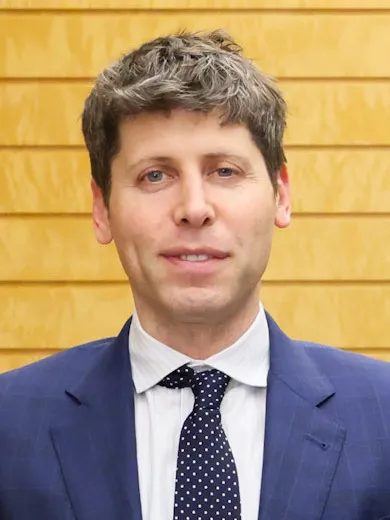 ProfileSam AltmanTech entrepreneur & OpenAI CEO
Related
Jensen Huang's Call from Trump Disrupts Nvidia's All-Hands Meeting
During Nvidia's recent all-hands meeting, CEO Jensen Huang received an unexpected call from Donald Trump, sparking employee buzz about its implications.

Jane Fonda Supports Mark Ruffalo Amid Controversy Over Antisemitism Claims
Jane Fonda stands by Mark Ruffalo after he was labeled antisemitic by Paramount for criticizing Larry Ellison's ties to Israel and a major merger.
Mark Ruffalo Ties Oracle's Military Tech to Paramount Deal, Studio Fires Back
The Hulk actor linked Larry Ellison's Oracle to Israel's military operations, prompting an unusual public response from Paramount calling the remarks antisemitic.