Ben Affleck Outlines His Ethical AI Framework for Netflix Film 'Animals'

The actor-director breaks down the proprietary data approach he used on his new Netflix thriller, pushing back on fears of AI replacing human creativity.
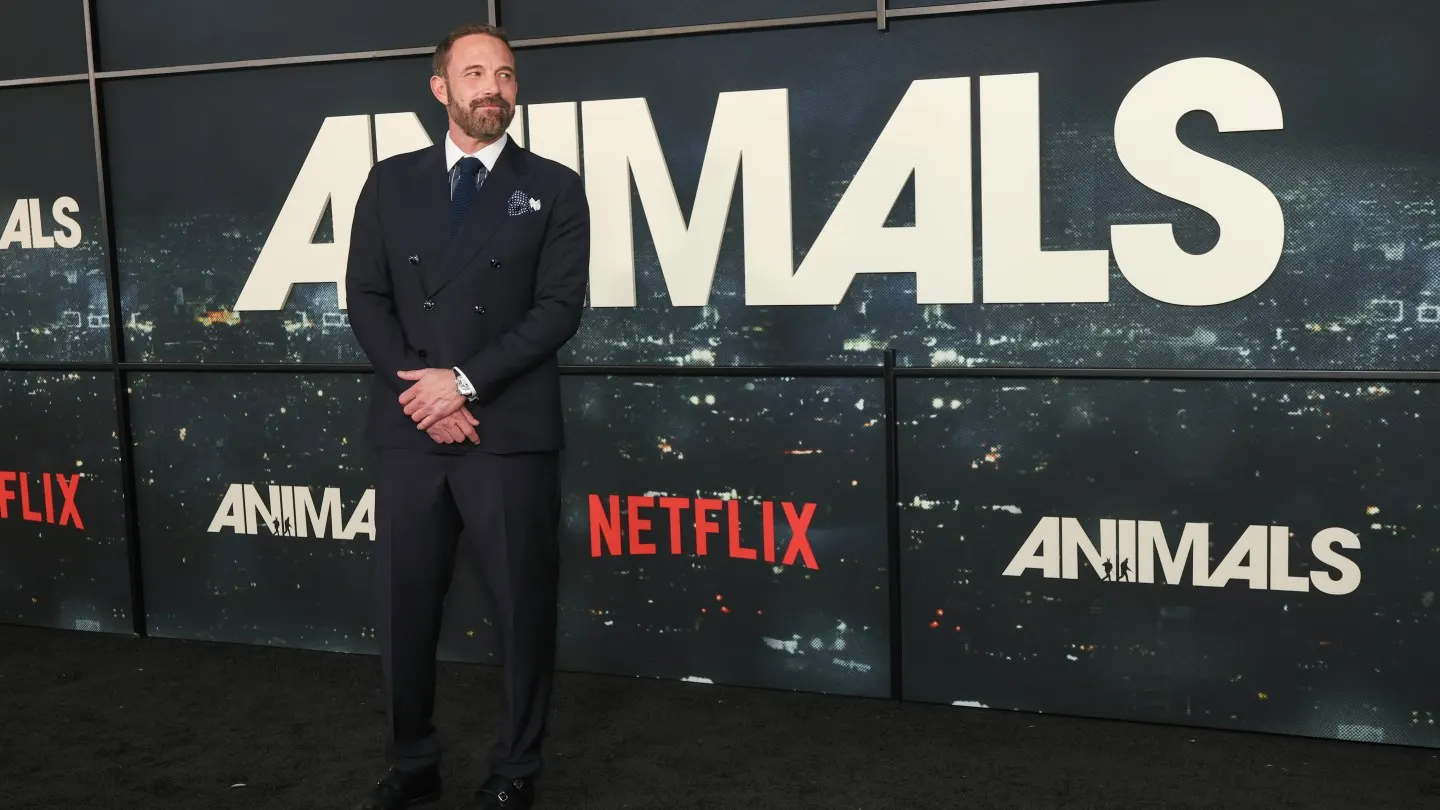
Ben Affleck has never been shy about engaging with difficult conversations in Hollywood, whether those involve craft, commerce, or controversy. With his new Netflix thriller Animals arriving in select theaters and on the platform October 9th, the filmmaker is now offering one of the most detailed and considered accounts yet of how he believes artificial intelligence can be responsibly absorbed into the filmmaking process — without cannibalizing the creative community that makes the medium worth watching in the first place.
A Proprietary Approach to Avoiding Extractive Practices
The heart of Affleck's argument, spelled out at the Animals premiere according to The Hollywood Reporter, is a straightforward ethical line he drew before production ever began. He committed to avoiding any AI tool trained on copyrighted work or on the creative output of peers and collaborators he respects. To sidestep that problem entirely, his team built a proprietary dataset — one that wasn't drawing on outside artistic labor without consent or compensation. "That was why we created a dataset that was proprietary, so that it wouldn't have to be extractive," he explained on the red carpet.
This philosophy didn't emerge in a vacuum. Affleck has been quietly operating in the AI technology space for several years, and Netflix's acquisition of his AI company InterPositive for nearly $600 million earlier in 2026 gave institutional weight to what might otherwise read as auteur theorizing. The deal essentially positioned Netflix as a willing partner in testing whether the creative industry could own and govern these tools rather than cede the terrain to tech platforms with fewer obligations to unions and guild agreements.
Craft First, Technology Second
Perhaps the most revealing dimension of Affleck's position is his dismissal of generative AI as a storytelling shortcut. The image of a director typing prompts and assembling a feature from whole cloth strikes him as both aesthetically bankrupt and commercially doomed. He made clear he has no interest in that model, arguing that audiences simply won't care enough to show up — and that he wouldn't want to be associated with a product born entirely from algorithmic assembly.
Instead, he frames the AI tools used in Animals the way an earlier generation of filmmakers might have framed digital color grading or motion-capture performance: as post-production instruments that should be invisible when done correctly. "If you can see it or if you can tell what it is, like, you've ruined it," he said, drawing a direct analogy to a poorly rendered visual effect or a performance that rings false. The comparison is instructive — it suggests Affleck sees AI as a technical discipline subject to the same quality thresholds as any other craft element on a film.
The film itself, which Affleck directed, co-wrote, and stars in alongside Kerry Washington, centers on a Los Angeles mayoral candidate whose son is kidnapped and who, with his wife, finds himself taking increasingly desperate measures to raise a ransom. Reports have also surfaced that Jennifer Garner was at one point considered for the Kerry Washington role, adding another layer of behind-the-scenes intrigue to the project.
Pushing Back on Industry Panic
Afleck was equally emphatic in deflating what he views as overheated rhetoric around AI's capabilities. He characterized talk of machine sentience and existential replacement as "old bullshit," predicting that the industry will eventually look back on the Terminator-style panic the way it now regards earlier waves of technological anxiety. In his view, AI is "deeply and fundamentally limited" — a useful instrument, not a sovereign intelligence.
His broader diagnosis of Hollywood's real structural problems — shrinking theatrical attendance, labor stoppages, the geography of production tax incentives — reflects the same analytical instinct he's applied to the business side of filmmaking through his Artists Equity banner with Matt Damon, where profit participation is built into the model from the start. InterPositive, he suggested, operates from the same foundational premise: if a director or actor contributes their art to train a system, they retain control over that intelligence and aren't obligated to share it with the wider market.
It is, at its core, an argument for creative ownership in an era when ownership is genuinely at risk — made by someone with the leverage and the track record to attempt to enforce it.
Related on Ni4o: Ben Affleck's AI Venture: Netflix Acquires InterPositive for $587 Million
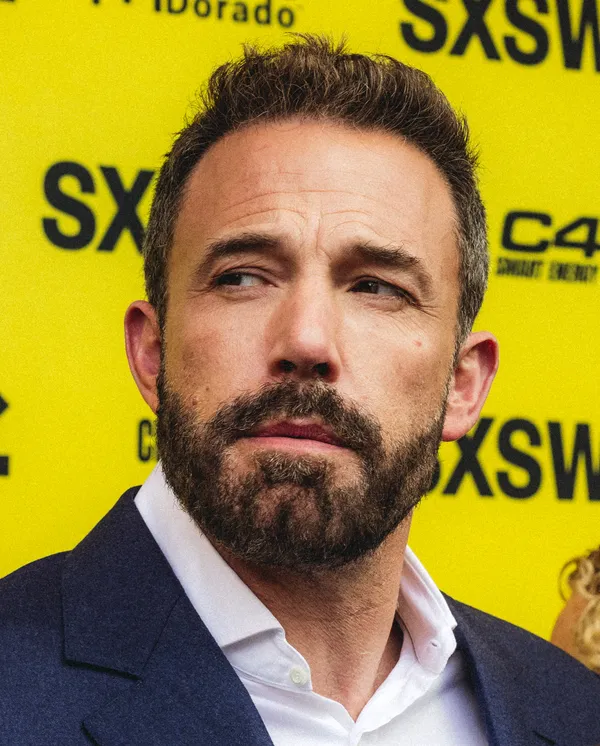 ProfileBen AffleckActor, director & producer
Related
Randy Quaid Slams Anne Hathaway Casting in Days of Thunder Sequel
Randy Quaid, who appeared in the original 1990 film, took to X to demand Nicole Kidman's return and dismiss the Hathaway announcement.

Eva Mendes' 'de Gosling' Tattoo Is the Only One She's Ever Wanted
Eva Mendes is showing off her wrist tattoo again — a small but meaningful piece of ink that carries a deep cultural significance.
Steven Spielberg's 'War of the Worlds' Returns to Streaming Amid Debate
Steven Spielberg's 'War of the Worlds' is hitting HBO Max next month, reigniting discussions on its mixed reception.