Before Netflix Glory, Ben Affleck's Forgotten TV Mystery Was Years Ahead

Long before his streaming dominance, Ben Affleck co-created Push, Nevada — a surreal, ambitious network mystery that television wasn't ready for.
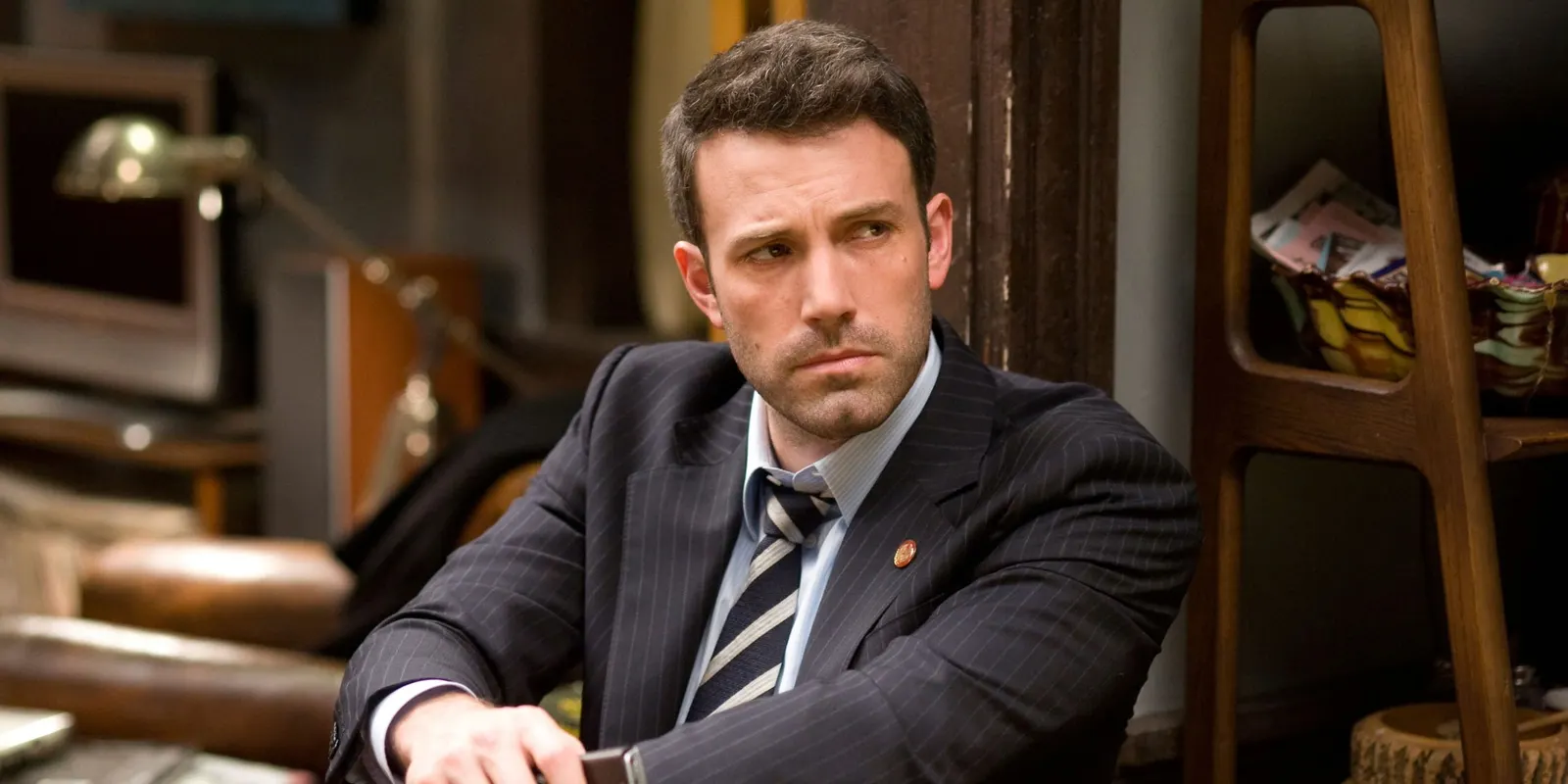
Ben Affleck's current run on Netflix, where his thriller Animals has held the top spot on the platform's global English-language chart for four consecutive weeks, makes it easy to forget that his relationship with serialized storytelling stretches back much further — and in far stranger directions. Twenty-plus years before algorithms and binge culture reshaped how audiences consume narrative, Affleck attempted something genuinely experimental on network television, and the industry simply wasn't equipped to meet him there.
A Desert Town, a Fax, and a Million Dollars
In 2002, Affleck and producing partner Sean Bailey brought Push, Nevada to ABC — a show that, according to Collider, essentially fused the DNA of Twin Peaks and The X-Files while layering on a legally binding interactive contest worth over a million dollars. The premise centered on Jim Prufrock, a straight-laced IRS accountant played by Derek Cecil, who follows a suspicious fax about embezzlement at a Nevada casino into a town where nobody has filed a tax return since 1985 and a shadowy corporate entity called Watermark LLC appears to operate as the invisible hand behind every institution in sight. Jon Polito played the casino's corrupt boss, Armand Assante embodied a villain known only as "Mr. Smooth," and Scarlett Chorvat's Mary — a slow-dancer with a gift for ominous warnings — gave the show its most genuinely Lynchian presence.
The visual language matched the ambition. Cinematographer Jim Denault, whose work on Boys Don't Cry had already demonstrated a mastery of atmospheric unease, draped every frame in a palette of deep reds, burnished gold, and encroaching shadow. Critics at the time drew immediate comparisons to David Lynch's Pacific Northwest nightmare, recognizing the shared vocabulary of eccentric small-town characters, stilted dialogue deployed as texture rather than dysfunction, and a score that treated menace as ambient.
Transmedia Before Transmedia Was a Word
What separated Push, Nevada from its prestige-adjacent peers, and ultimately contributed to its undoing, was an interactive architecture that now reads as prophetic. Each episode embedded hidden clues — coded web addresses, numerical sequences, physical mailers sent to engaged viewers — that collectively built toward a real cash prize of $1,045,000. Producers described three tiers of participation: casual viewers could simply watch, more curious fans could wade into the supplementary material, and the truly devoted could dive into what amounted to a fully constructed alternate-reality game layered beneath the broadcast narrative. It was among the earliest examples of transmedia storytelling deployed at scale on American network television.
The problem was structural. Network television in 2002 operated on the assumption of broad, passive audiences, and Push, Nevada demanded precisely the opposite. Scheduled against CSI and Will & Grace — shows that rewarded exactly the kind of relaxed, undemanding viewership the show's producers were actively trying to disrupt — it never found the mass audience ABC needed. The tone was dense and self-serious, the interactive elements felt like assigned reading to anyone not already invested, and ABC's decision to highlight embedded clues with visible red boxes during reruns inadvertently undercut whatever sense of discovery the show had cultivated. Seven episodes in, it was canceled.
The Contest Survived the Show
ABC's contractual obligation to the contest outlasted the series itself. A New Jersey resident named Mark Nakamoto ultimately solved the final puzzle and claimed the prize money — a resolution that gave the experiment a satisfying conclusion even as the show it was built around disappeared from the schedule. It's a strange footnote: a television program most viewers never saw nonetheless produced a legitimate million-dollar winner.
Affleck has since navigated the full spectrum of Hollywood fortune, from franchise fatigue to critical reclamation, and his current partnership with Netflix reflects a creator who has learned to work within institutional frameworks while still pursuing projects with genuine formal ambition. His AI-driven venture with Netflix suggests that appetite for innovation hasn't dulled. Meanwhile, films like Hypnotic, which found renewed life on Hulu after a muted theatrical run, and The Accountant, which resurfaced prominently on streaming charts years after its release, suggest that his work consistently outlasts its initial reception.
Push, Nevada belongs in that same conversation — a genuinely ahead-of-its-time artifact that the television landscape of 2002 simply couldn't metabolize. Viewed now, it looks less like a failure and more like a proof of concept that the industry took another decade to catch up to.
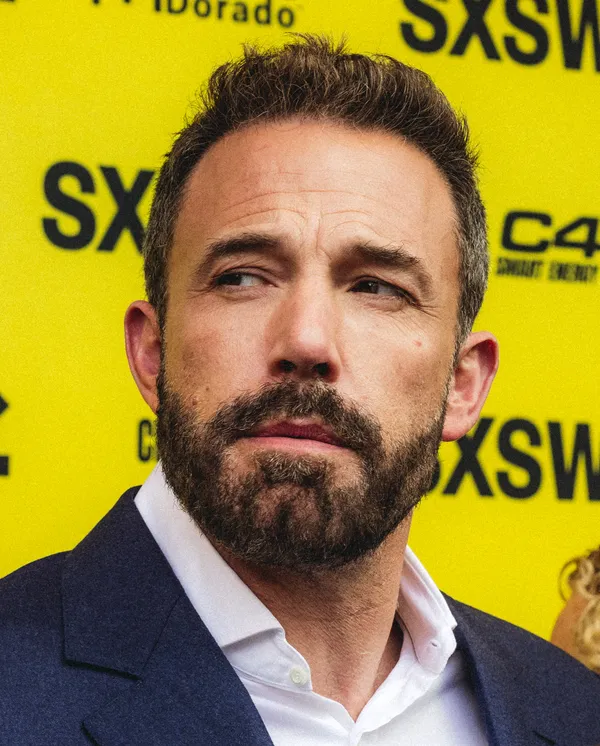 ProfileBen AffleckActor, director & producer
Related
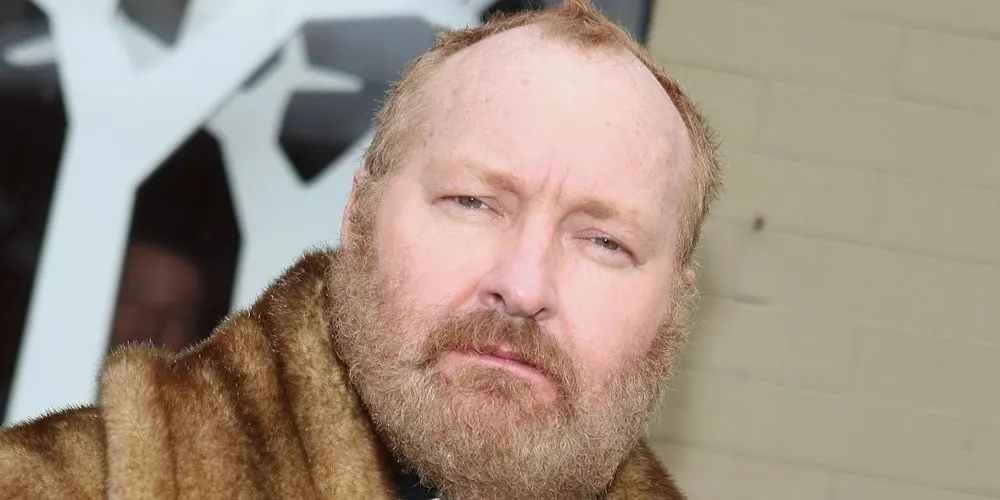
Randy Quaid Slams Anne Hathaway Casting in Days of Thunder Sequel
Randy Quaid, who appeared in the original 1990 film, took to X to demand Nicole Kidman's return and dismiss the Hathaway announcement.

Eva Mendes' 'de Gosling' Tattoo Is the Only One She's Ever Wanted
Eva Mendes is showing off her wrist tattoo again — a small but meaningful piece of ink that carries a deep cultural significance.
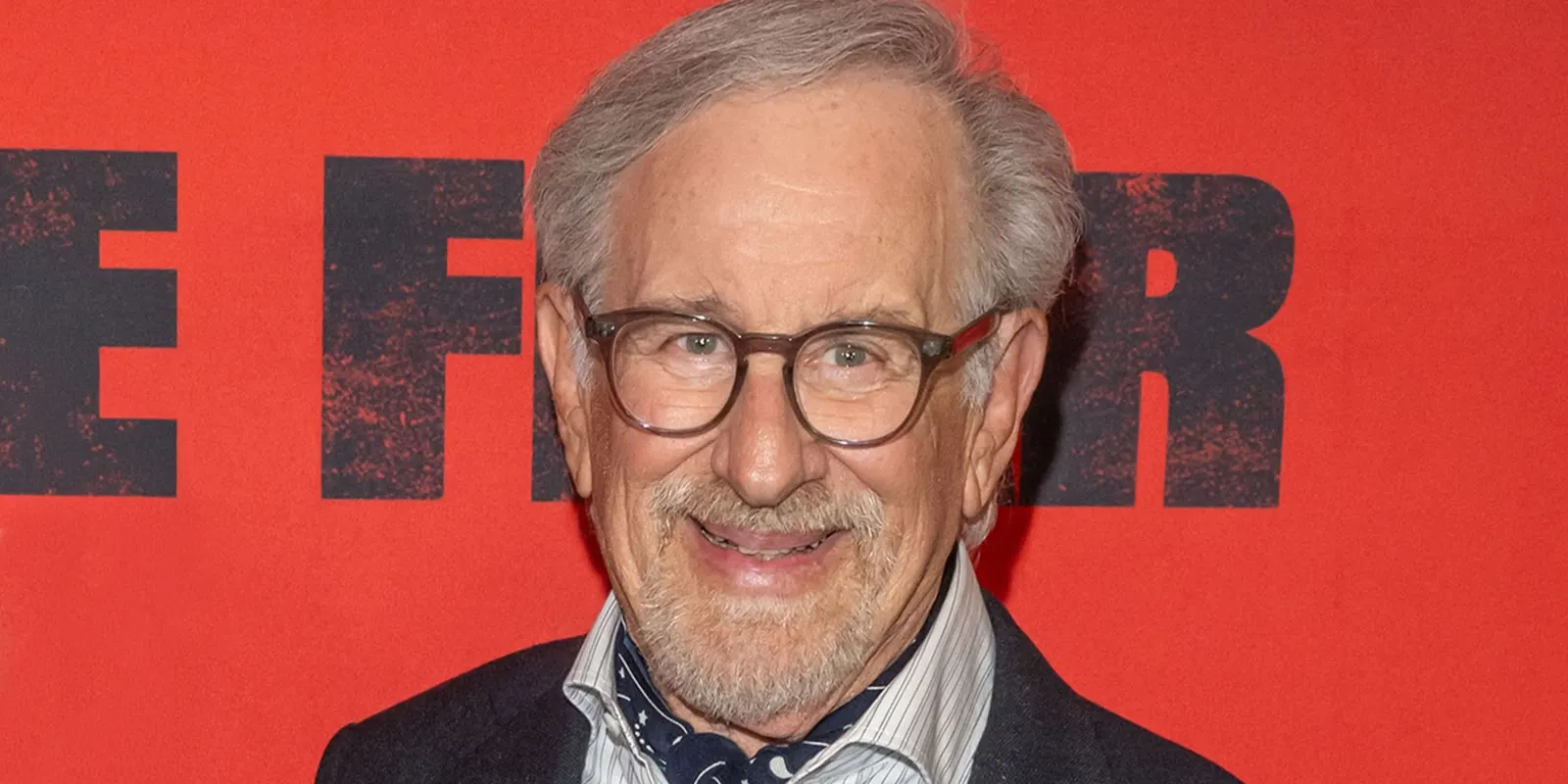
Steven Spielberg's 'War of the Worlds' Returns to Streaming Amid Debate
Steven Spielberg's 'War of the Worlds' is hitting HBO Max next month, reigniting discussions on its mixed reception.