Bad Bunny's Legal Team Pushes Judge to Reconsider Reggaeton Copyright Ruling

A Los Angeles courtroom crackled with tension as Bad Bunny's lawyers fought to dismantle a ruling that could send 1,800 reggaeton songs to a jury.
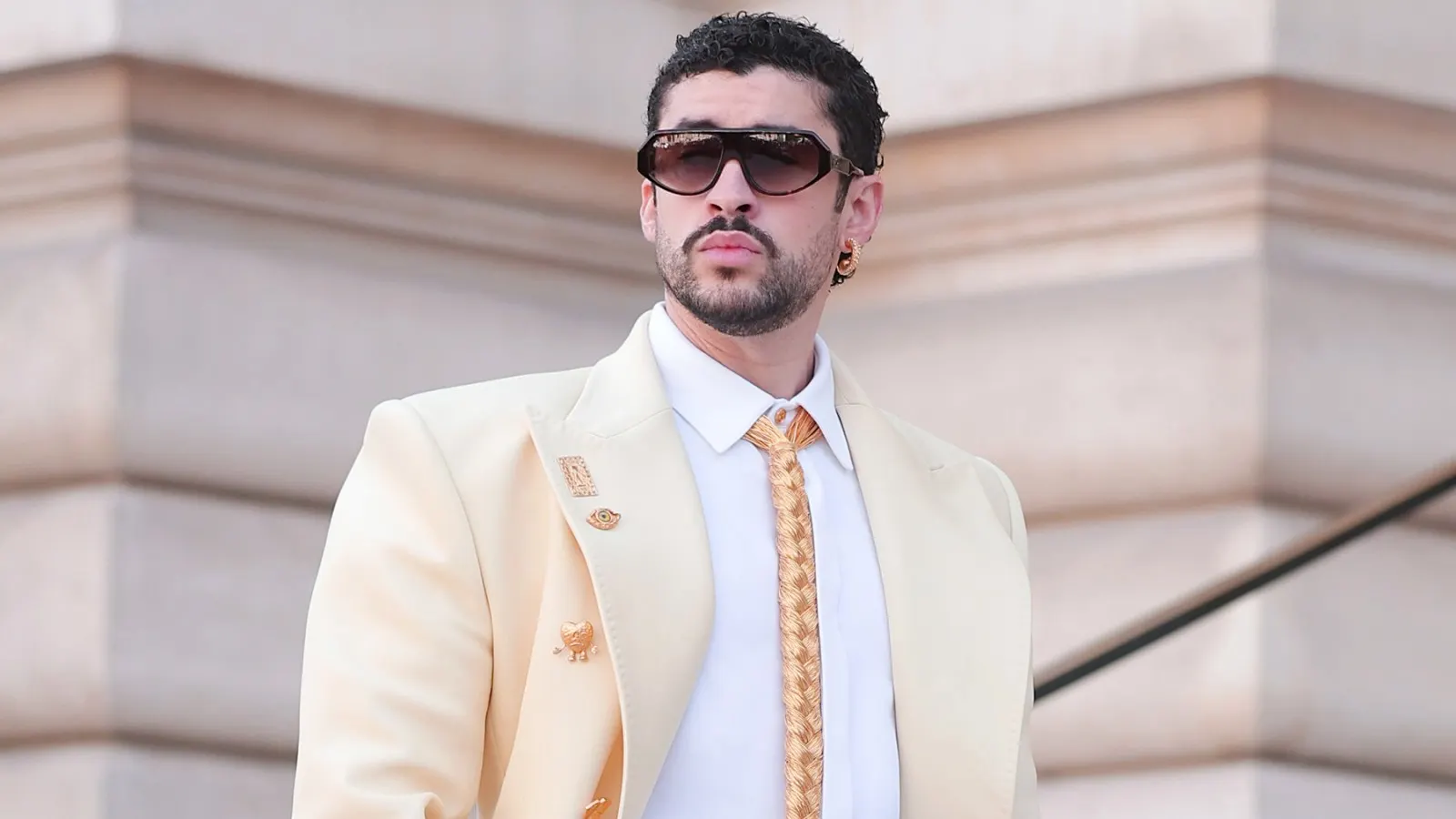
The courtroom on Friday felt less like a legal proceeding and more like a battle for the soul of reggaeton. Bad Bunny's legal team, joined by attorneys representing Drake and dozens of the genre's heavyweights, squared off against lawyers for Jamaican reggae duo Steely & Clevie — and the judge at the center of it all admitted he'd need weeks to sort through what he called a genuine "nightmare."
What the July Ruling Actually Said
The dispute traces back to a ruling issued last month by U.S. District Judge André Birotte Jr., who determined that a jury — not the court — must settle whether roughly 1,800 reggaeton songs by more than 100 artists lifted the composition copyright belonging to Cleveland "Clevie" Browne and the estate of Wycliffe "Steely" Johnson. At the core of the claim is the duo's 1989 track "Fish Market," which the plaintiffs argue gave birth to reggaeton's defining dembow rhythm — that propulsive, syncopated percussion pattern baked into virtually every banger the genre has ever produced, according to Rolling Stone.
The 'Frankenstein' Argument
Bad Bunny's lead attorney Kenneth Freundlich came loaded with ammunition. He pointed to sworn testimony from Browne himself, who acknowledged that the two-measure pattern identified as the protected "Fish Market Elements" in the complaint was actually stitched together from two non-consecutive bars — bar one and bar 22 — rather than drawn from a single, continuous passage. Freundlich pressed further, arguing that the timbale loop cited as protectable actually appears in a different song, "Pounder (Dub Mix II)," a track for which Steely & Clevie hold only the sound recording copyright, not the composition copyright. That distinction matters enormously: the composition copyright for "Pounder" belongs to Jamaican producer Dennis "the Menace" Halliburton, who isn't even a party to this lawsuit.
Freundlich's conclusion was blunt — you can't build a protected "selection and arrangement" copyright out of fragments cherry-picked from separate works. "They took something from here and something from there, and put it together as if it was continuous," he argued, calling the whole construct a "Frankenstein" assembled from mismatched musical pieces. If the Bad Bunny copyright saga has felt shape-shifting from the start, Friday's hearing only deepened that impression.
The Plaintiffs Push Back Hard
Steely & Clevie's attorney Stephen M. Doniger wasn't having any of it. He dismissed the Frankenstein framing as a catchy soundbite without legal merit, insisting the two-bar timbale pattern exists intact within "Fish Market" and is repeated throughout the composition. His colleague Benjamin Tookey backed that up, telling the judge a "consecutive two-bar timbale pattern" does appear in the song at multiple points.
Doniger reached for a vivid analogy: imagine clipping a recognizable slice of a Monet painting, repeating it across a canvas, and calling the result something original. "That's a Monet remix," he said. "That's what this case is." The reference to "Pounder," he maintained, is simply because that track shares much of the same musical selection and arrangement as "Fish Market" — it doesn't undermine the original claim.
Freundlich fired back that hearing the plaintiffs claim the full two-measure pattern exists in "Fish Market" was a first — and that it directly contradicted their own client's testimony under oath.
A Judge With More Questions Than Answers
Judge Birotte, who opened the hour-long downtown Los Angeles hearing with a wry acknowledgment that he was being asked to "mull this nightmare over some more," peppered both sides with pointed questions before taking the matter under submission. He gave no timeline beyond signaling the decision would come within several weeks.
The stakes here extend well beyond one artist. Bad Bunny is the genre's global face right now, and the outcome of this case could reshape how reggaeton's foundational rhythms are legally understood — and owned. With the dembow beat underpinning everything from underground mixtapes to stadium anthems, the music world is watching closely. This is far from over.
Related on Ni4o: Bad Bunny Makes UK Stadium History With Electrifying London Show
 ProfileDrakeCanadian rapper, singer, and songwriter
Related

Olivia Rodrigo's Daisy Chain Fields Festival: A Celebration of Music and Purpose
The Daisy Chain Fields Festival, headlined by Olivia Rodrigo, united fans and nonprofits in a joyous celebration of women and music.
Miley Cyrus Hints at New Era With Cryptic Red-and-Black Teaser
Exactly one year after 'Something Beautiful,' Miley Cyrus is flooding the internet with mysterious red-and-black imagery — and a new label to back it up.

How a Nashville Laundromat Sparked Dolly Parton's Six-Decade Love Story
Dolly Parton and Carl Dean built one of music's most enduring marriages on a simple formula: distance, devotion, and deep difference.