Ava DuVernay Explains AI Use in Netflix Documentary '14th'

At AFI Fest 2026, Ava DuVernay addressed criticism over AI-assisted animation in her new documentary exploring the 14th Amendment.
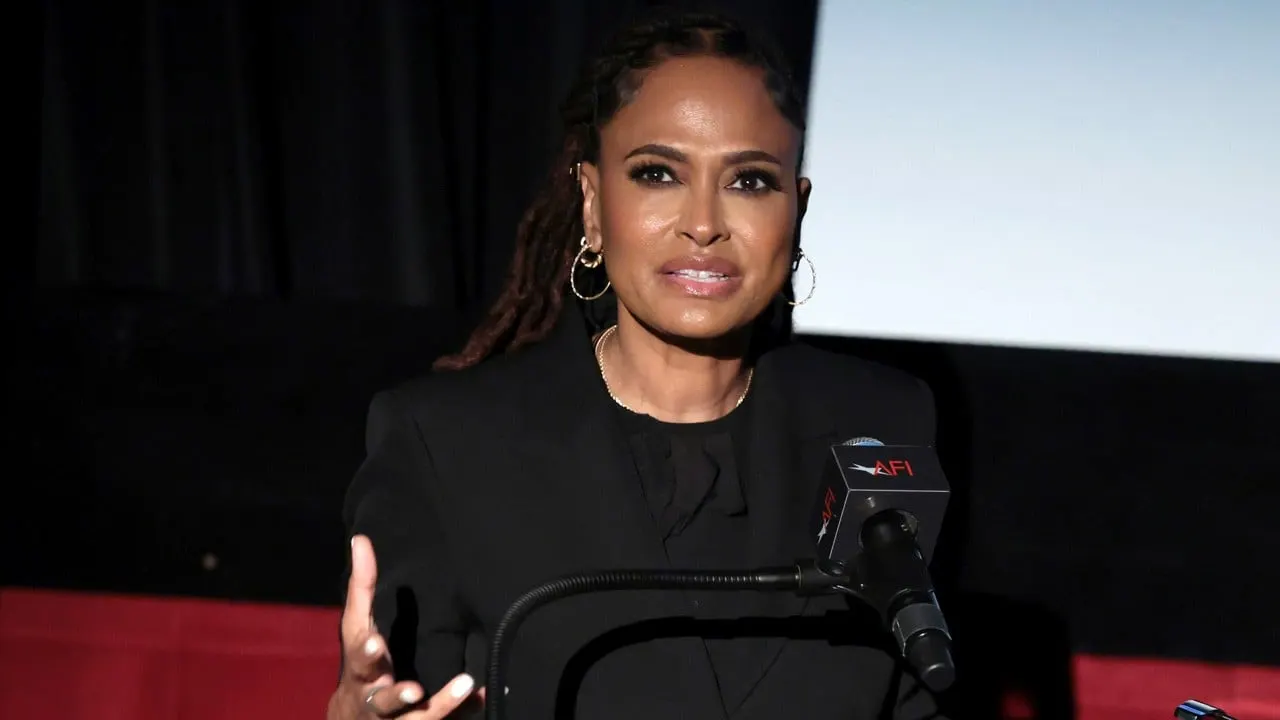
Few filmmakers working today have shown as sustained an interest in the constitutional machinery of American inequality as Ava DuVernay, whose 2016 documentary 13th remains one of the defining nonfiction films of the streaming era. Her latest project, 14th, trained on the 14th Amendment and the ongoing battle over birthright citizenship, arrives with both serious subject matter and a technical controversy already attached to it — one that DuVernay addressed directly and thoughtfully at the 2026 AFI Fest.
What the Film Actually Does with AI
Rather than leaning on AI to generate synthetic characters or fabricate archival moments that never existed, DuVernay's team used the technology in a more circumscribed and, she argues, historically responsible way. Archival photographs — all sourced from the public domain — were animated using parallax and motion techniques that happen to incorporate AI-assisted tools. The distinction matters enormously. There are no deepfakes, no approximated voices, no manufactured personas. The intent, as DuVernay described it to The Hollywood Reporter at the AFI Fest screening on October 25, was to narrow the emotional distance between contemporary audiences and a fraught chapter of American history. By bringing still images to life, the filmmakers hoped to create the kind of visceral connection that flat archival stills sometimes fail to deliver on their own.
'Sober' About the Technology
What makes DuVernay's defense particularly measured is that she doesn't frame AI as a revolutionary force or attempt to evangelize for it. Instead, she situates it within the broader landscape of postproduction technology that filmmakers already rely on without controversy — referencing industry-standard tools used in sound, editorial, and color grading as systems that quietly incorporate similar underlying technologies. Her argument is essentially one of consistency: if the industry accepts AI embedded in Pro Tools or Avid without protest, singling out its use in documentary animation deserves scrutiny of its own motivations. It's a nuanced position, and one that 14th will almost certainly need to defend further as it reaches wider audiences.
The Broader Debate Documentary Filmmakers Are Navigating
The tension DuVernay is navigating isn't unique to her. Across the nonfiction filmmaking community, directors are grappling with where the ethical line sits when AI enters the production workflow. Documentary has always relied on a tacit contract with the audience: what you see reflects what was. Animation and reconstruction have long complicated that contract, but AI introduces new degrees of seamlessness that make the question harder to answer intuitively. DuVernay's response — transparency, public-domain sourcing, and a clear prohibition on fabricating real individuals — represents one principled framework. Whether audiences accept it may well depend on how compellingly the film makes its case for the approach, something only the finished viewing experience can resolve. This kind of streaming-platform documentary conversation isn't unlike the one surrounding other high-profile productions, such as Gal Gadot's In the Hand of Dante, which also arrived on Netflix amid its own set of audience expectation questions.
Release Details
14th is scheduled for a limited theatrical run beginning November 27, before arriving on Netflix on December 4. Given that DuVernay's previous work in this constitutional space drew extraordinary critical and popular attention, the new film enters with significant expectations. The AFI Fest screening appears to have generated the kind of conversation — contentious but engaged — that serious documentary work tends to provoke when it's doing something genuinely new. As DuVernay herself put it, audiences should see the film and arrive at their own conclusions. That's a fair ask, and for a documentary about a constitutional amendment still being actively litigated in American courts, perhaps the only honest one.
Related on Ni4o: Ava DuVernay's '14th' Struggles to Match the Power of '13th' · Hugh Jackman's 'The Sheep Detectives' Becomes a Prime Video Hit · Priyanka Chopra "Shocked" by The Bluff Success, Updates Varanasi
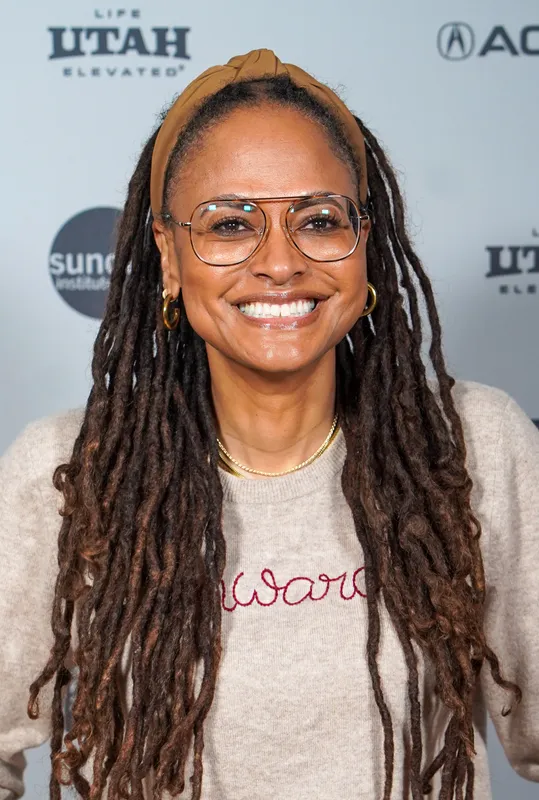 ProfileAva DuVernayDirector & producer
Related
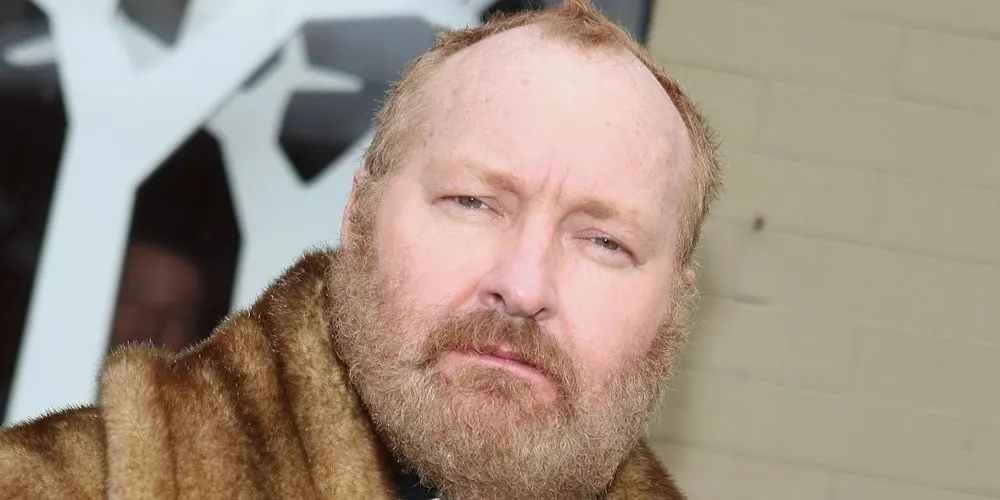
Randy Quaid Slams Anne Hathaway Casting in Days of Thunder Sequel
Randy Quaid, who appeared in the original 1990 film, took to X to demand Nicole Kidman's return and dismiss the Hathaway announcement.
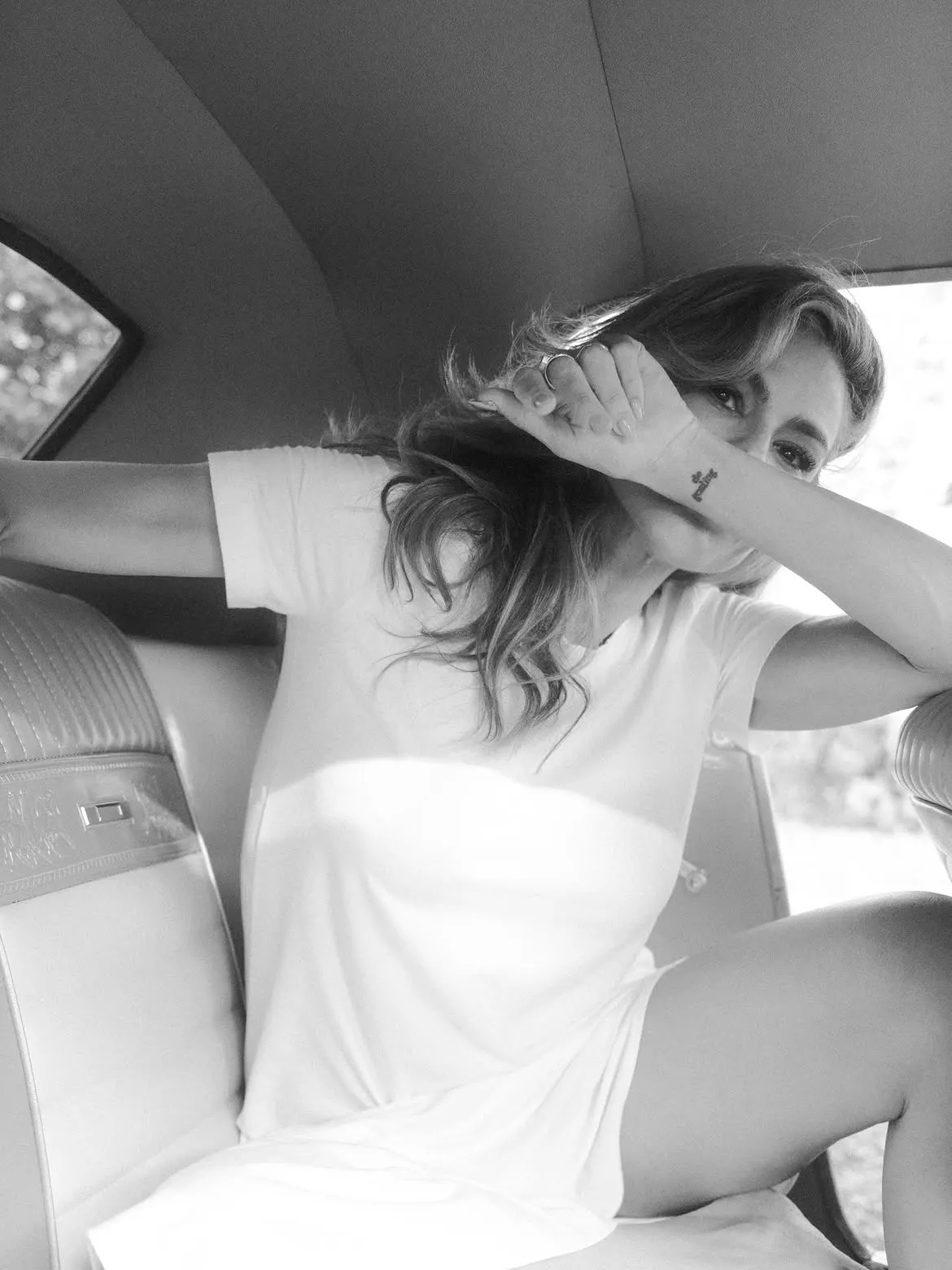
Eva Mendes' 'de Gosling' Tattoo Is the Only One She's Ever Wanted
Eva Mendes is showing off her wrist tattoo again — a small but meaningful piece of ink that carries a deep cultural significance.
Steven Spielberg's 'War of the Worlds' Returns to Streaming Amid Debate
Steven Spielberg's 'War of the Worlds' is hitting HBO Max next month, reigniting discussions on its mixed reception.