Ava DuVernay's '14th' Struggles to Match the Power of '13th'

DuVernay's NYFF 2026 documentary on Birthright Citizenship is informative but lacks the political rigor and structural clarity of its predecessor.
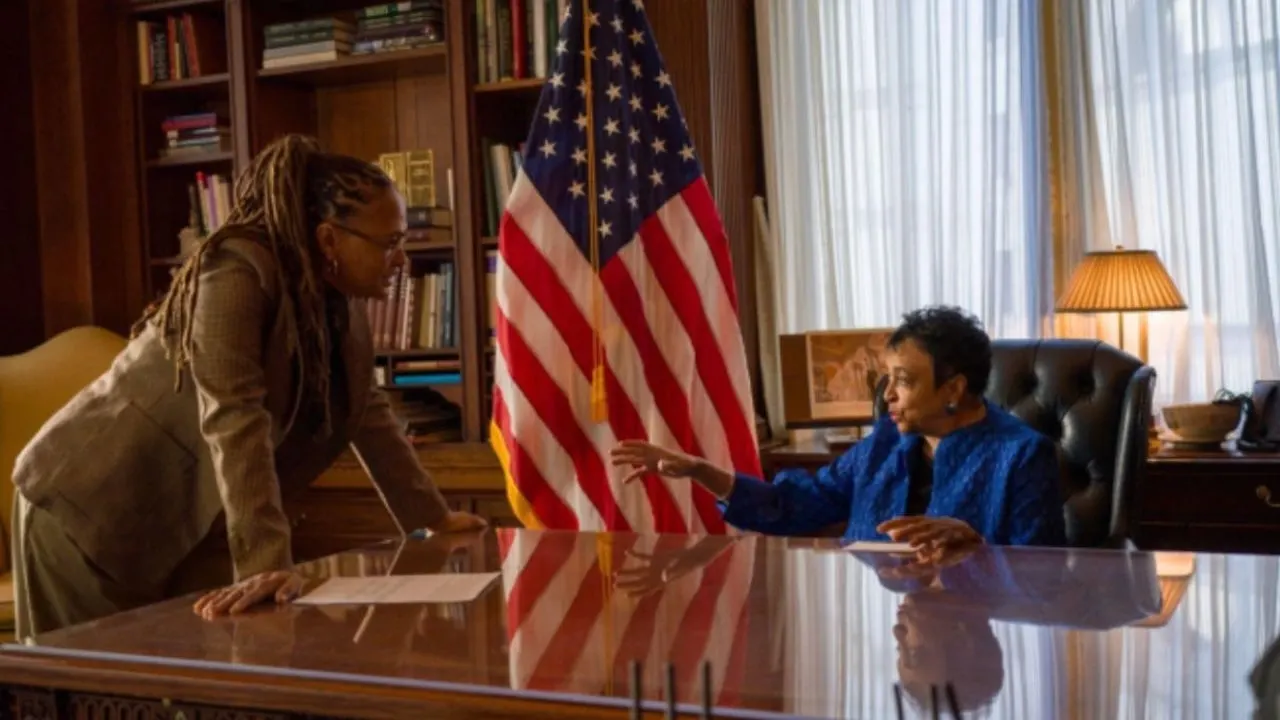
Ava DuVernay has long distinguished herself as one of American cinema's most politically committed voices, a filmmaker whose work — from Selma to When They See Us to Origin — consistently demonstrates that history and the present tense are in constant, uncomfortable conversation. Her latest documentary, 14th, which premiered at the New York Film Festival in 2026, arrives with that same moral ambition, but it struggles, according to TheWrap, to translate intention into the kind of urgent, disciplined filmmaking that made 13th a landmark of the form.
A Sprawling Subject, an Unsteady Hand
Where 13th constructed a relentlessly coherent argument about the 13th Amendment's role in enabling mass incarceration, 14th takes on the companion question of Birthright Citizenship — rooted in the 14th Amendment's Reconstruction-era mandate to define legal personhood by birth — and finds itself considerably less focused. The film moves from the history of Confederate monuments to Trump-era immigration policy and ICE enforcement, connecting dots that are genuinely worth connecting. But the path between them meanders, with the narrative's most urgent contemporary material arriving frustratingly late in the runtime.
The structural conceit — graphic intertitles built around the Amendment's own text, visualized as a star being gradually stripped of its points — gestures toward a kind of civic poetry. In practice, it leans on an almost romantic view of American constitutional ideals that sits uneasily alongside the film's own critique of those ideals' erosion. There is something contradictory in a film that challenges nationalism while aestheticizing the symbols of national belonging.
A Chorus Without a Conductor
The documentary's interview strategy compounds its difficulties. A wide roster of lawyers, politicians, academics, comedians, and online personalities cycles through, each delivering compact soundbites that rarely get room to breathe or deepen. NAACP president Sherrilyn Ifill emerges as the film's most compelling presence — her remarks balancing emotional weight with analytical precision — but she is afforded no more screen time than commentators whose credentials are far more modest. The editorial leveling of these voices undercuts the film's intellectual credibility and diffuses the cumulative impact that a tighter, more hierarchical structure might have achieved.
The cinematographic approach to these interviews compounds the problem. Framing, lighting, and placement feel inconsistent to the point of randomness, and when edited together as an extended montage, the visual incoherence becomes distracting. Documentary has always wrestled with how to make the talking-head format cinematically alive — it is a challenge that separates the form's great practitioners from its journeymen — and 14th does not resolve it.
The A.I. Question
Perhaps the most debated formal choice involves the film's treatment of archival photographs of enslaved and newly emancipated African Americans. Using generative A.I. tools from studio Asteria, DuVernay's team applies three-dimensional depth and subtle motion to these still images. The impulse — to restore a sense of personhood and presence to those who were systematically dehumanized — is compassionate in theory. But the effect risks crossing into territory that feels more like digital resurrection than historical empathy, animating the dead in ways that their subjects could not have anticipated or consented to. It is a minor element by runtime, but it raises substantive questions about the ethics of A.I. in documentary filmmaking that the industry is only beginning to seriously consider — a conversation happening across contemporary cinema as the technology becomes more prevalent.
Important, If Not Essential
None of this renders 14th without value. The film maps a coherent line between Reconstruction-era legal architecture and present-day assaults on citizenship rights, and it does so at a moment when that context genuinely matters. At a time when the broader entertainment landscape — much like Jenna Ortega's recent Academy recognition — reflects an industry grappling with questions of who gets to tell which stories and how, DuVernay's continued commitment to centering marginalized histories carries real cultural weight. But commitment alone does not a great documentary make. 14th ultimately reads as a necessary statement that falls short of being a necessary film, offering information where its predecessor offered revelation, and alarm bells where its audiences may already be mid-evacuation.
Related on Ni4o: Hugh Jackman's 'The Sheep Detectives' Becomes a Prime Video Hit · Priyanka Chopra "Shocked" by The Bluff Success, Updates Varanasi
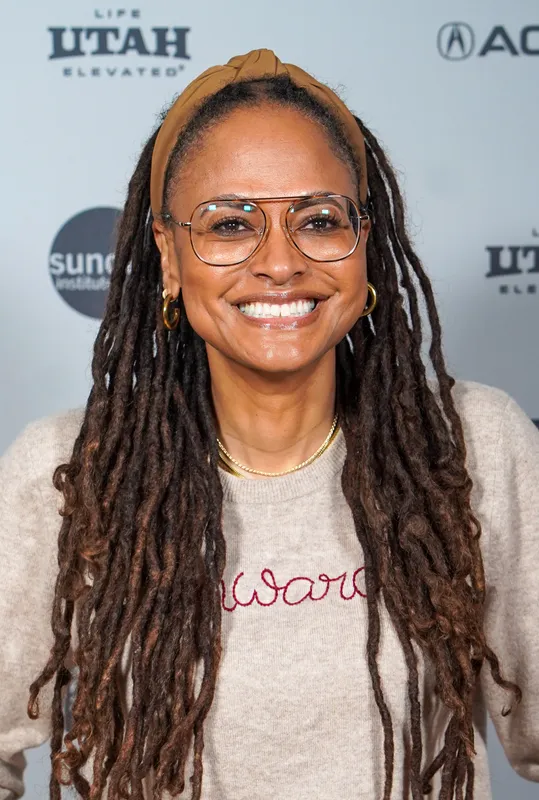 ProfileAva DuVernayDirector & producer
Related
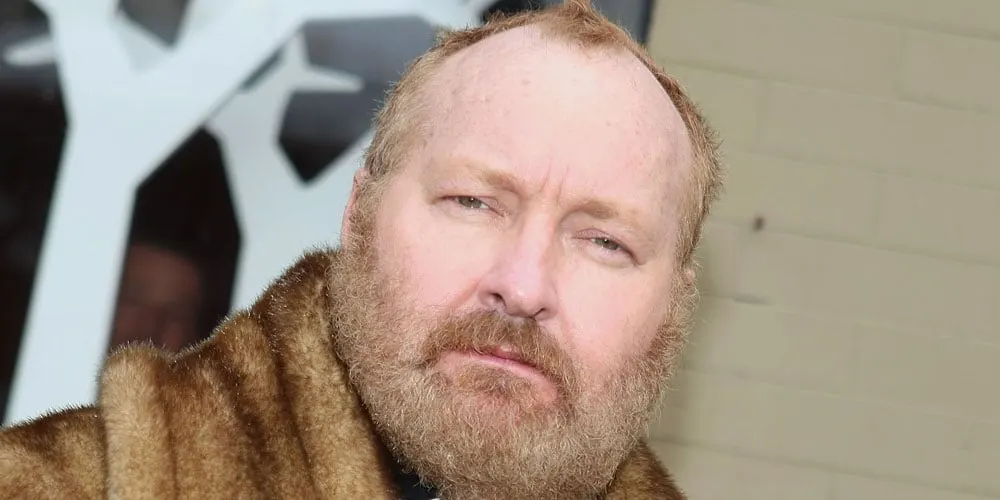
Randy Quaid Slams Anne Hathaway Casting in Days of Thunder Sequel
Randy Quaid, who appeared in the original 1990 film, took to X to demand Nicole Kidman's return and dismiss the Hathaway announcement.
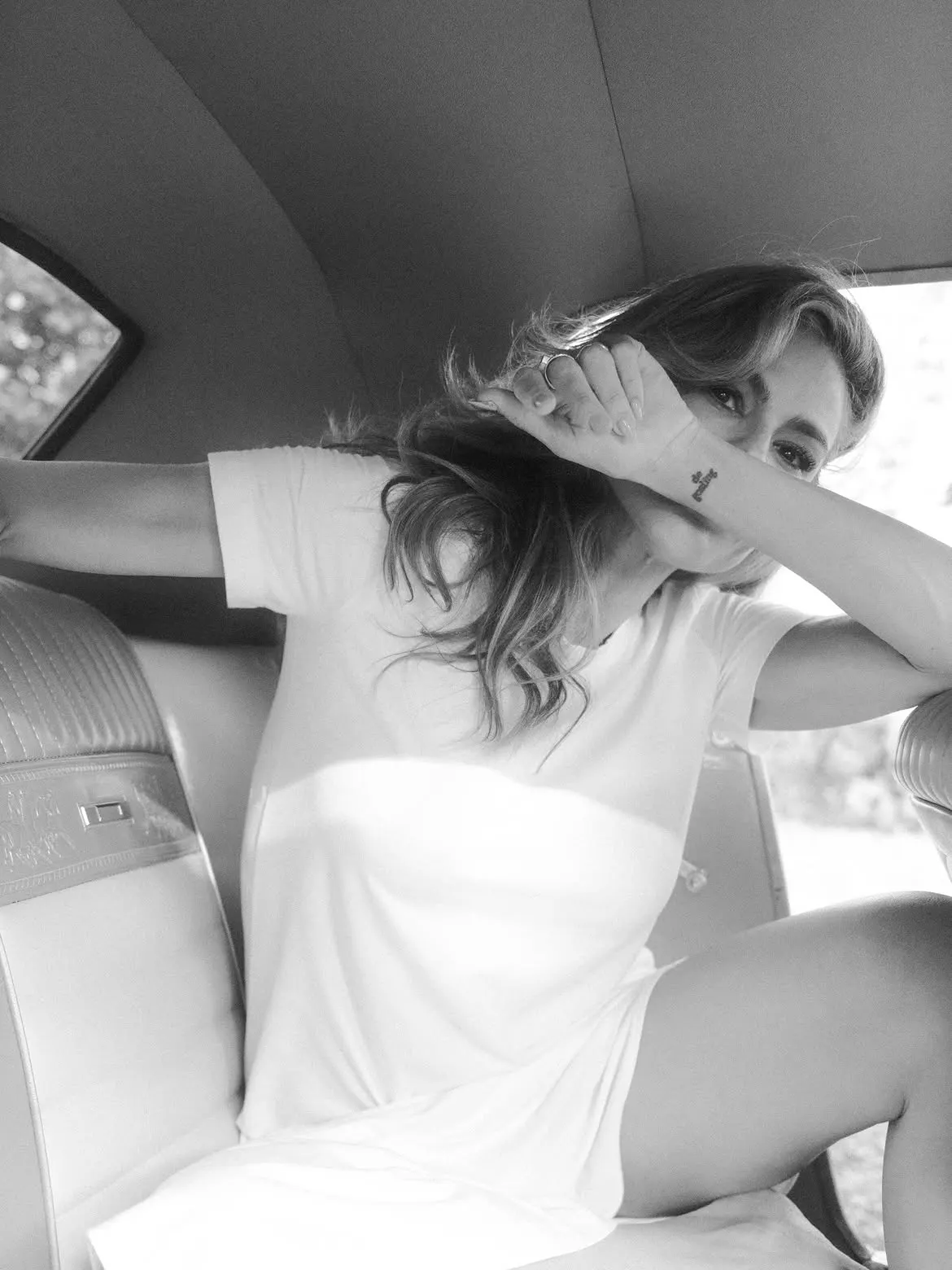
Eva Mendes' 'de Gosling' Tattoo Is the Only One She's Ever Wanted
Eva Mendes is showing off her wrist tattoo again — a small but meaningful piece of ink that carries a deep cultural significance.
Steven Spielberg's 'War of the Worlds' Returns to Streaming Amid Debate
Steven Spielberg's 'War of the Worlds' is hitting HBO Max next month, reigniting discussions on its mixed reception.