Anya Taylor-Joy on Why Women Don't Method Act: 'We Have Things to Take Care Of'

Anya Taylor-Joy has opened up about why she avoids full Method acting, offering a sharp observation about gender dynamics on set.
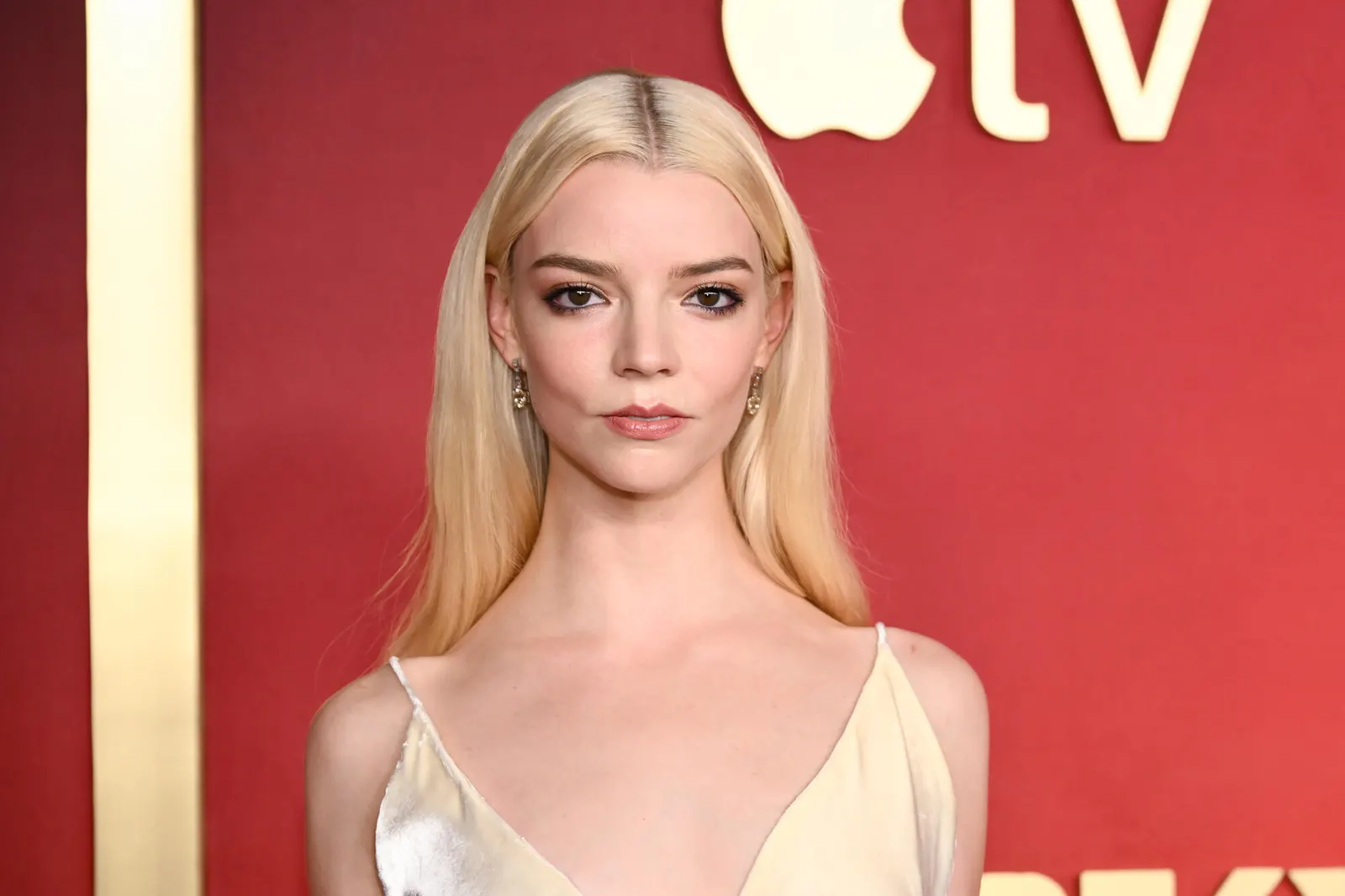
Few performers of her generation have demonstrated Anya Taylor-Joy's range across such stylistically varied projects — from the austere horror of The Witch to the sun-scorched fury of Furiosa — yet she has never once leaned on Method acting to get there, and she has no intention of starting. In a candid interview that quickly went viral, the actress offered a pointed explanation for why that approach has remained, by and large, a male prerogative.
'A Controlled Psychosis'
Speaking with Complex News, Taylor-Joy described her own process in remarkably precise terms, according to Variety. She likens inhabiting a character to something akin to a "controlled psychosis" — a state in which another consciousness takes up residence in her mind, sharing her thoughts and movements across a sixteen-hour filming day. She described it almost architecturally: the character is like a sister or a roommate briefly checked into a corner of her head. It is immersive but managed, never unchecked. When things drift too far, the people in her life gently redirect her, sometimes addressing her by the character's name as a kind of agreed-upon reset mechanism.
That calibrated approach, she made clear, is not simply a personal preference — it reflects a structural reality. Women, Taylor-Joy argued, cannot afford the total psychological surrender that Method acting demands because they are typically carrying responsibilities that simply don't pause for the sake of a role. The implication is direct: the famous stories of male actors who disappeared entirely into a character for months on end were made possible, at least in part, by the support systems and social latitude that women are less routinely afforded.
The Responsibility to Collaborate
Beyond the practical constraints, Taylor-Joy raised an equally compelling ethical argument against extreme immersive technique. Filmmaking is a collective art form — a point easy to forget when the mythology around singular, tortured performers tends to dominate the cultural conversation. She noted that any actor arrives on set with a responsibility not just to their own performance but to every colleague sharing that space. A performer so locked into their character that basic professional courtesy becomes impossible is, in her framing, failing the production rather than elevating it. The job, she suggested, is to be genuinely present for the people around you — and that is simply incompatible with "being an asshole" in the name of the craft.
It is a perspective worth considering alongside Taylor-Joy's expanding body of work. Her role in Lucky on Apple TV+ required sustained psychological intensity, and by all accounts she delivered that without retreating into performer-as-island territory — a balance that reflects exactly the philosophy she is articulating here. She has also recently signed on for Lord of the Rings: The Hunt for Gollum, a project that will demand yet another distinct register.
A Broader Conversation
Taylor-Joy is not alone in this line of thinking. Kristen Stewart made a closely related observation last December in conversation with The New York Times, arguing that performance is by its nature a vulnerable and submissive act, and that Method acting has historically served as a kind of masculine deflection from that vulnerability — a way for some male actors to reframe emotional openness as rugged obsession rather than craft.
On the other side of the debate stands Daniel Day-Lewis, who used his press tour for Anemone to push back against what he sees as widespread misrepresentation of the technique. For Day-Lewis, Method acting is simply a mechanism for freedom and spontaneity in front of the camera, not the cult-like lunacy its critics invoke. The disagreement, read charitably, is partly definitional: Taylor-Joy and Stewart appear to be critiquing a specific culture of on-set behavior that has grown around Method mythology, while Day-Lewis is defending the underlying Stanislavski-derived philosophy itself.
What Taylor-Joy's comments ultimately illuminate is something the film industry is only beginning to fully interrogate: that the most celebrated performance "techniques" were largely codified in environments that centered male experience. Her openness about how her personal life informs her professional boldness suggests an actress who is as thoughtful about the conditions of her work as she is about the work itself.
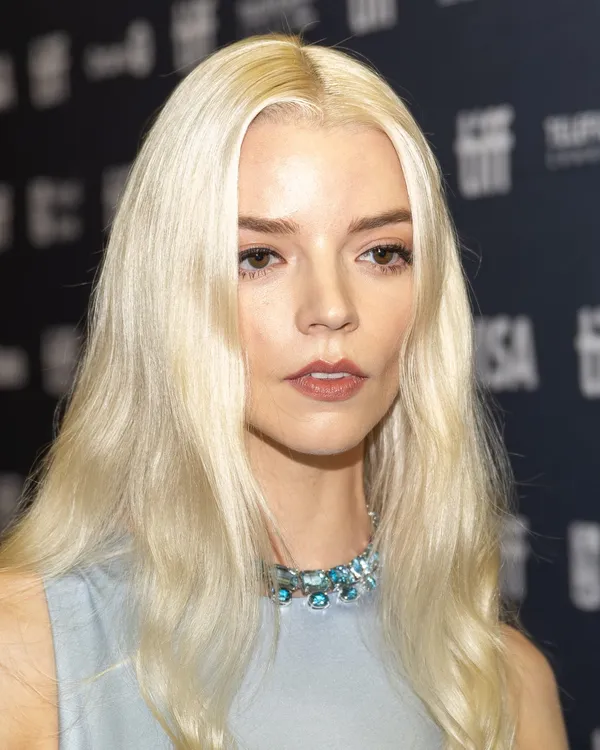 ProfileAnya Taylor-JoyAmerican-born actress
Related
Randy Quaid Slams Anne Hathaway Casting in Days of Thunder Sequel
Randy Quaid, who appeared in the original 1990 film, took to X to demand Nicole Kidman's return and dismiss the Hathaway announcement.
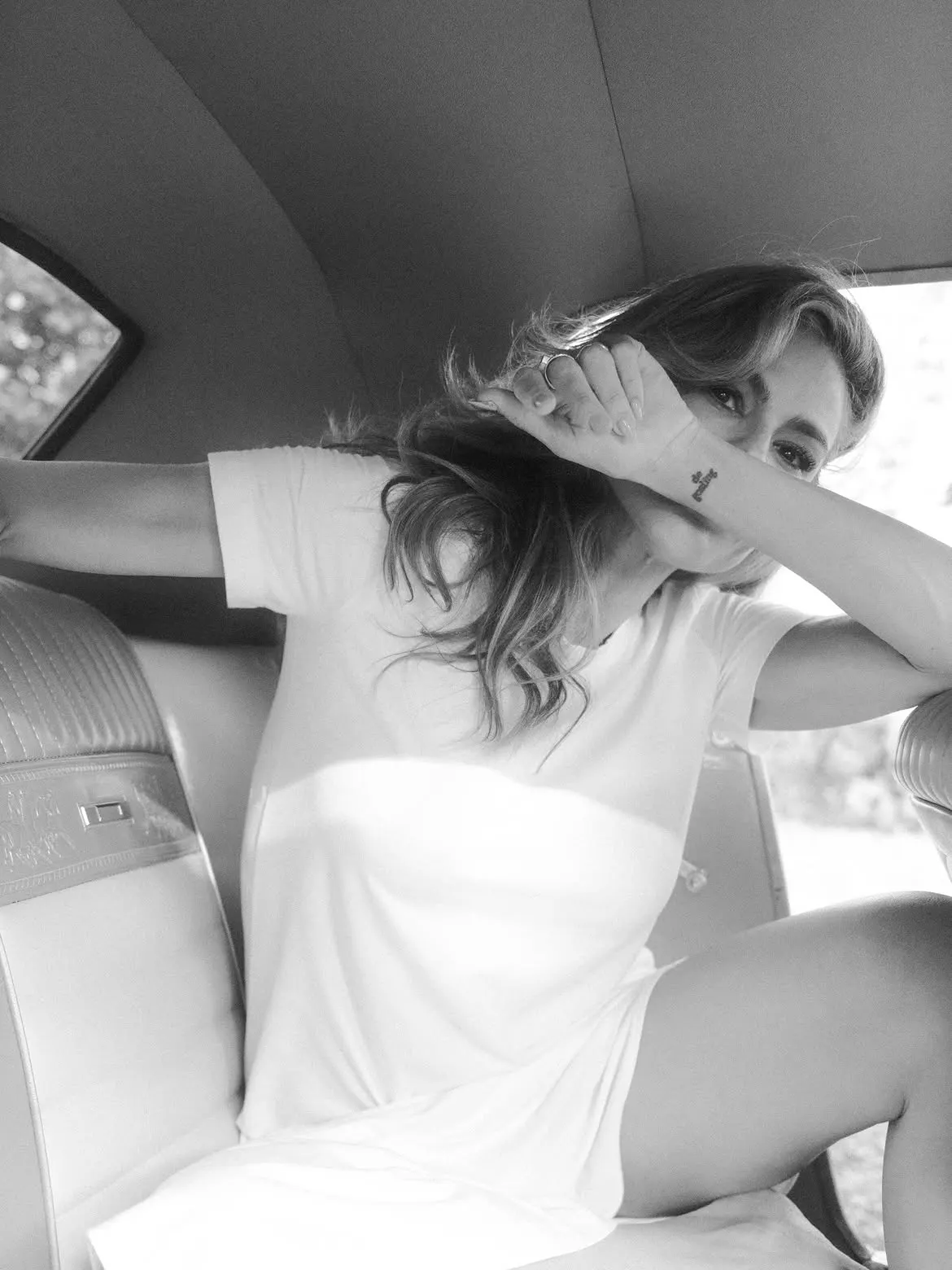
Eva Mendes' 'de Gosling' Tattoo Is the Only One She's Ever Wanted
Eva Mendes is showing off her wrist tattoo again — a small but meaningful piece of ink that carries a deep cultural significance.
Steven Spielberg's 'War of the Worlds' Returns to Streaming Amid Debate
Steven Spielberg's 'War of the Worlds' is hitting HBO Max next month, reigniting discussions on its mixed reception.