Alanis Morissette Calls Out Ben Affleck Over 'Dogma' Sexuality Remark

During her Butterfly with a Knife residency, Alanis Morissette publicly named Ben Affleck as the man who once questioned why she didn't 'lead with her sexuality.'
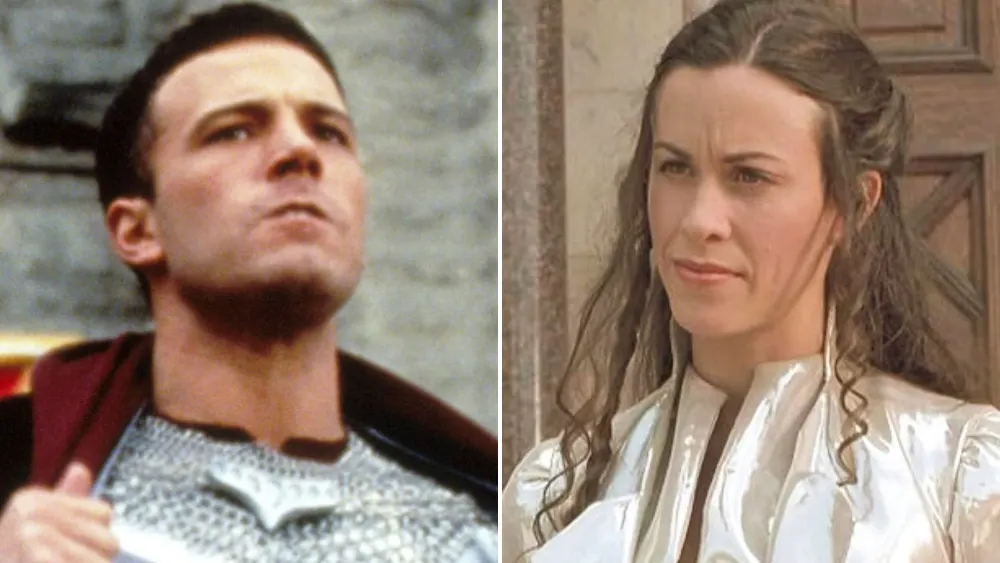
The long-delayed re-release of Kevin Smith's Dogma has stirred more than nostalgic conversation about late-'90s religious satire — it has also reopened a pointed personal memory for one of the film's most distinctive cast members. Alanis Morissette, who played God in the 1999 cult classic, used a recent live performance to publicly name Ben Affleck as the source of a remark that clearly stayed with her for decades. The moment, low-key in delivery but pointed in implication, offered a rare behind-the-scenes glimpse into the dynamics at play on a film that was already controversial the moment it entered production.
A Stage Confession With a Named Target
While performing at her Butterfly with a Knife residency at YouTube Theater in Inglewood, Morissette — a seven-time Grammy winner — delivered what amounted to a catalogue of criticisms she has fielded throughout her career. It was within that reflective monologue, captured on video and noted by Deadline, that she paused to name Affleck specifically. "I even had a guy ask me why I didn't lead with my sexuality," she said, before adding pointedly, "Thank you, Ben Affleck." The remark landed with the weight of something long considered and carefully timed — not a throwaway joke, but a deliberate act of attribution.
The comment raises interesting questions about the gender dynamics present even on the set of a film that was itself pushing boundaries. Dogma, with its irreverent theology and sharp satirical edge, was designed to unsettle comfortable assumptions — yet Morissette's anecdote suggests that at least one of her co-stars held fairly conventional expectations about how a woman in the entertainment industry should present herself.
Affleck, Then and Now
In 1999, Ben Affleck was riding the wave of post-Good Will Hunting stardom, cast in Dogma as the fallen angel Bartleby alongside Matt Damon. It was a period when his cultural authority — and perhaps his confidence in expressing opinions — was at a particular peak. Morissette, for her part, was equally prominent, having redefined singer-songwriter authenticity with Jagged Little Pill just four years earlier. That two artists of such stature could have such a discordant exchange speaks to how normalized certain attitudes about women and sexuality remained in Hollywood even at the turn of the millennium.
Affleck has remained a figure of ongoing public fascination, whether through his creative reinventions or his more recent business ventures. His trajectory has been anything but static — as evidenced by projects ranging from streaming hits to, more recently, a major AI-driven deal with Netflix. Yet moments like the one Morissette described serve as reminders that a person's public reinvention does not automatically erase their earlier conduct.
The Weight of a Single Comment
What makes Morissette's disclosure particularly resonant is its specificity. She did not speak in vague generalities about industry sexism — she named a person, recalled a moment, and let the audience draw its own conclusions. For anyone who has followed Affleck's public life closely — including periods of intense media scrutiny detailed in accounts like Jennifer Garner's descriptions of invasive paparazzi tactics during their marriage — the anecdote fits into a broader portrait of a man who has not always navigated his relationships with the most delicate touch.
Morissette's willingness to go on record, by name, during a live residency rather than through a carefully managed press interview, also says something about where she is as an artist. The Butterfly with a Knife show appears designed as a vehicle for unfiltered honesty — and in that context, calling out Affleck reads less like score-settling and more like historical record-keeping.
Dogma Revisited
The re-release of Dogma has given critics and audiences an opportunity to reassess Smith's film on its own terms, free from the fierce protests that surrounded its original theatrical run. Morissette's small but memorable role as a wordless, Frisbee-tossing God was one of the film's most inspired casting choices — a figure of immense power presented without grandeur or explanation. That the actress behind that portrayal felt pressure, even from a co-star, to commodify her image in a more conventional way is an irony the film's satirical spirit would likely appreciate.
Related on Ni4o: Ben Affleck's AI Venture: Netflix Acquires InterPositive for $587 Million
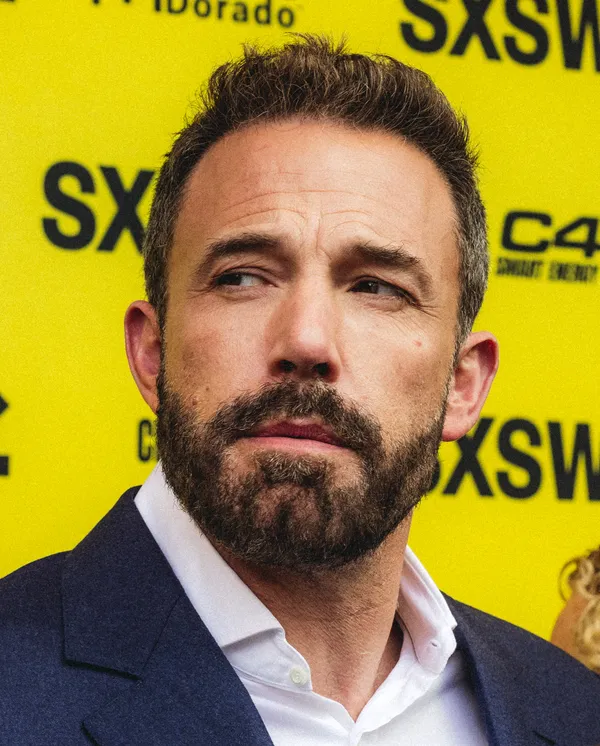 ProfileBen AffleckActor, director & producer
Related
Randy Quaid Slams Anne Hathaway Casting in Days of Thunder Sequel
Randy Quaid, who appeared in the original 1990 film, took to X to demand Nicole Kidman's return and dismiss the Hathaway announcement.
Eva Mendes' 'de Gosling' Tattoo Is the Only One She's Ever Wanted
Eva Mendes is showing off her wrist tattoo again — a small but meaningful piece of ink that carries a deep cultural significance.
Steven Spielberg's 'War of the Worlds' Returns to Streaming Amid Debate
Steven Spielberg's 'War of the Worlds' is hitting HBO Max next month, reigniting discussions on its mixed reception.