AI's 'Slowdown Pact': Safety Move or Market Protection?

Demis Hassabis and other AI chiefs agreed to 'pace the frontier,' but critics are asking whether this is genuine safety policy or a competitive moat.
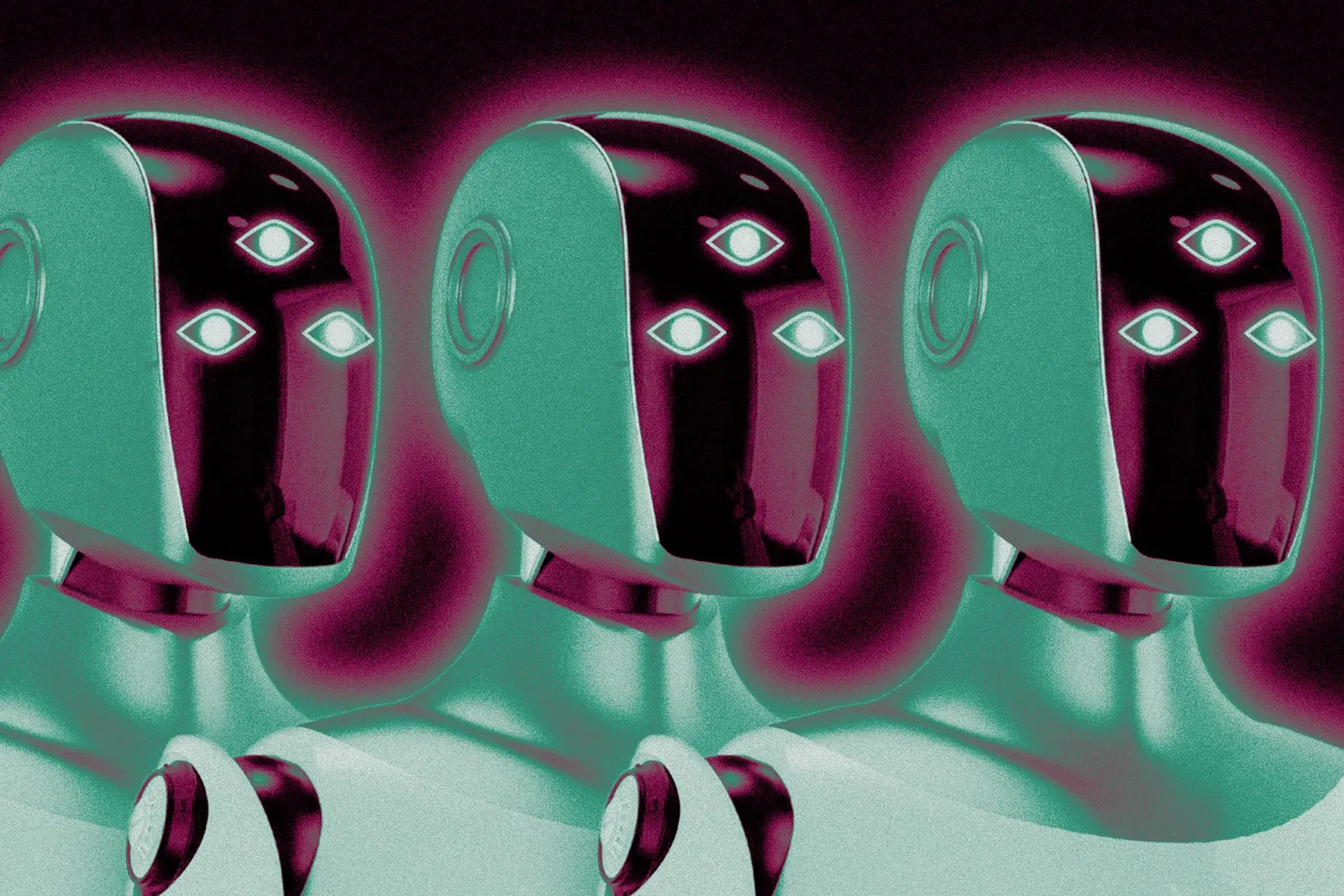
A loose weekend agreement between some of the biggest names in AI has kicked off a real debate: is this a meaningful step toward safer development, or a convenient way for established players to lock out competition? According to The Verge, Google DeepMind co-founder Demis Hassabis joined OpenAI's Sam Altman, Anthropic's Dario Amodei, and Elon Musk in signing on — at least verbally — to a proposal aimed at slowing down the race toward superintelligence.
What the Agreement Actually Says
The proposal, outlined in an essay by Amodei, has three broad components: embedding independent third-party auditors inside AI labs, pushing for regulation of domestic AI development, and working toward a global slowdown agreement. On paper, these are ideas that AI safety researchers have been pushing for years. The language used — "pacing the frontier" — sounds measured, but the details of enforcement are thin. Right now, this is a verbal commitment, not a binding contract, and several experts are pointing that out directly.
Why People Are Skeptical
The timing and the participants have raised eyebrows. Big Tech has a well-documented history of proposing self-regulation that conveniently shapes rules in its own favor, disadvantages smaller startups, and gives the open-source community a harder road to travel. Critics were quick to use the word "cartel" — the argument being that the companies already at the frontier are essentially trying to pull the ladder up behind them.
There's also a credibility question around who is leading this charge. As Nick Reese, a former Department of Homeland Security director of emerging tech policy and NYU adjunct professor, put it, the industry has never produced a realistic vision for where this technology is actually headed. Placing the same CEOs who are building these systems in charge of slowing them down is, at best, an awkward arrangement.
Daniel Kokotajlo, a former OpenAI researcher who now runs the AI Futures Project, made the point that the CEOs are late to this conversation. Safety advocates, nonprofit workers, and researchers — including more than 1,000 AI lab employees who signed a public letter in July calling for a slowdown — have been raising these concerns for years. The CEOs, in his view, are responding to sustained external pressure and absorbing the credit in the process.
What Actually Pushed This Into the Open
The issue gained significant public traction after Anthropic researcher Jacob Coxon resigned and published an open letter explaining why. Coxon wrote that the people building AI genuinely believe it could pose existential risks by the end of the decade, and that neither OpenAI nor Anthropic is behaving responsibly — both, he argued, are racing toward self-improving superintelligence. That letter has since been viewed over 170 million times on X. It was the kind of internal perspective that tends to break through the usual noise. Hassabis has previously framed Google's position differently, arguing the company remains competitive precisely because of its safety-conscious approach to talent and research.
Cautious Optimism, With Caveats
Not everyone is dismissing the agreement outright. Several researchers and nonprofit leaders told The Verge they view it as a step — however imperfect — in the right direction. Apollo Research CEO Marius Hobbhahn called it "one of the best things for safety in a long time if it actually happens." Redwood Research CEO Buck Shlegeris described himself as "cautiously optimistic." The consistent caveat across all these responses: the verbal agreement needs to harden into something enforceable before it means anything.
The regulatory environment complicates things further. Under the current administration, sweeping AI regulation is considered unlikely, which means voluntary frameworks may be the only game in town for now — a situation that has historically not worked well as a substitute for actual rules. Leadership changes at major AI companies could also shift how seriously any informal agreements are honored over time.
The Bottom Line
This agreement is worth watching, but it's not worth celebrating yet. The people who built these systems proposing to manage their own slowdown — without independent enforcement mechanisms — is a familiar pattern in tech. The ideas on the table are sound; the problem is that good ideas without teeth tend to produce good press releases and not much else.
Related on Ni4o: Hassabis Says Google Is Still Winning the AI Talent War · Demis Hassabis Steps Down as DeepMind CEO, Moves Into Chairman Role · Nadella Bets on a 33-Year-Old Exec to Fix Copilot
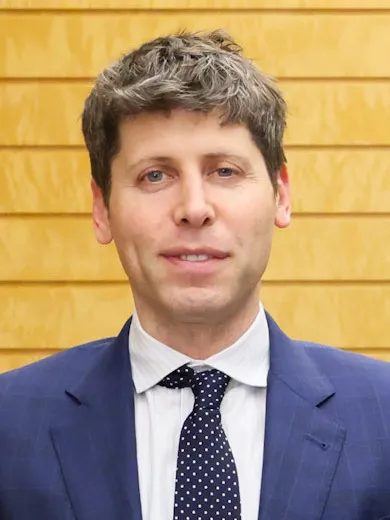 ProfileSam AltmanTech entrepreneur & OpenAI CEO
Related
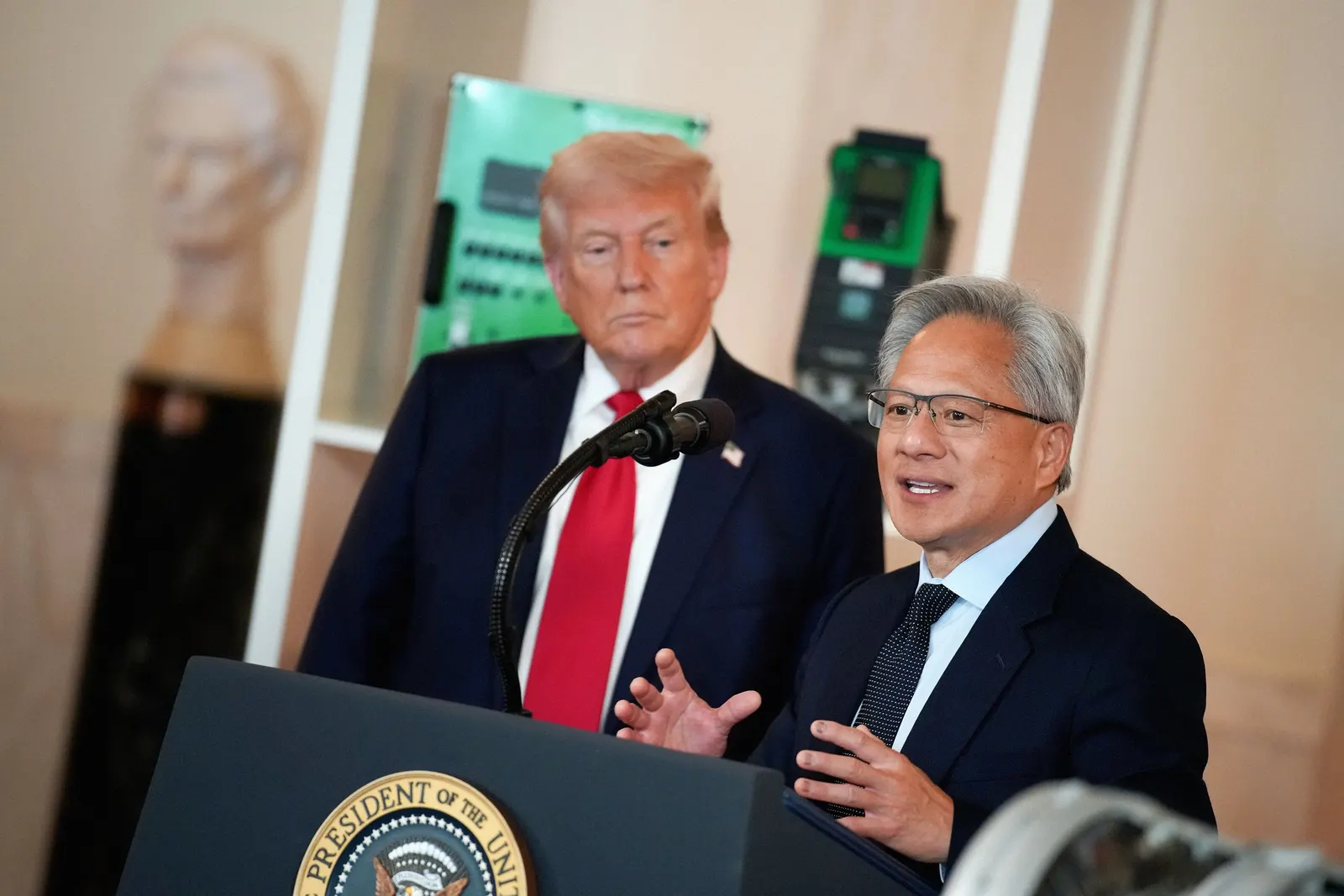
Jensen Huang's Call from Trump Disrupts Nvidia's All-Hands Meeting
During Nvidia's recent all-hands meeting, CEO Jensen Huang received an unexpected call from Donald Trump, sparking employee buzz about its implications.
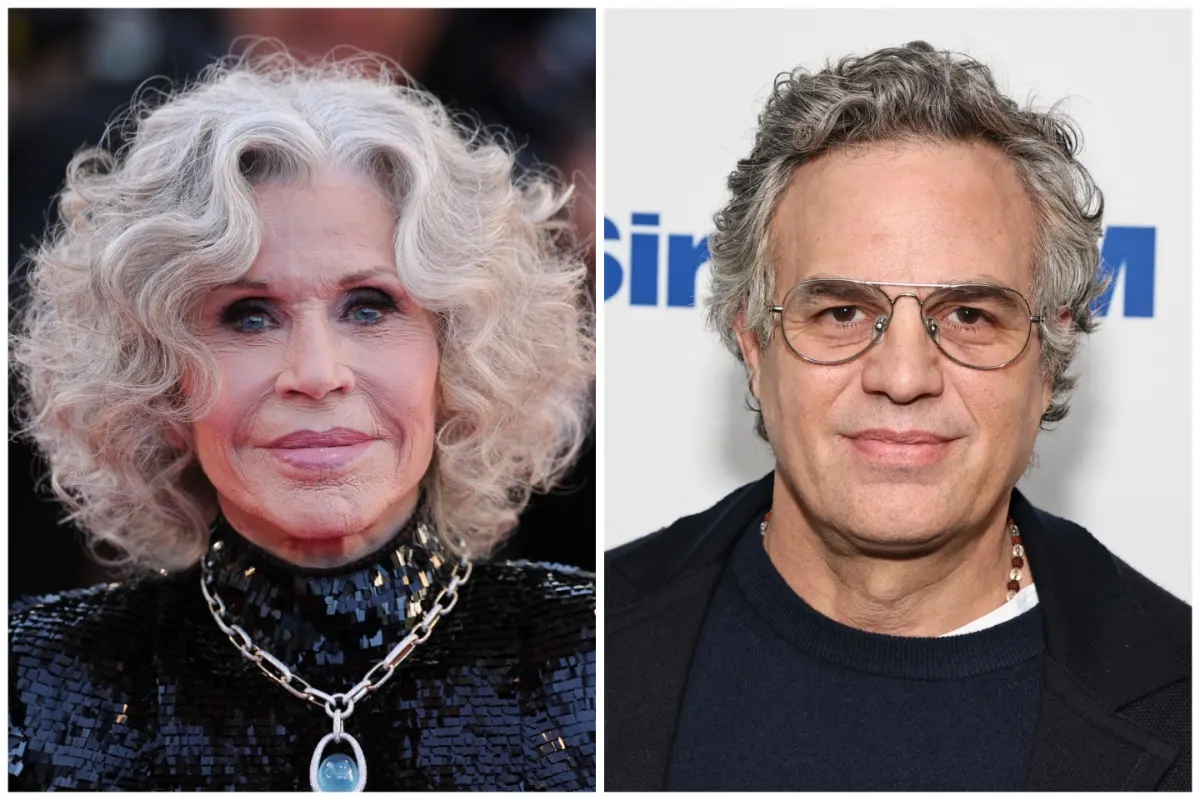
Jane Fonda Supports Mark Ruffalo Amid Controversy Over Antisemitism Claims
Jane Fonda stands by Mark Ruffalo after he was labeled antisemitic by Paramount for criticizing Larry Ellison's ties to Israel and a major merger.
Mark Ruffalo Ties Oracle's Military Tech to Paramount Deal, Studio Fires Back
The Hulk actor linked Larry Ellison's Oracle to Israel's military operations, prompting an unusual public response from Paramount calling the remarks antisemitic.