Hassabis Says Google Is Still Winning the AI Talent War

After two marquee researchers walked out the door and the stock wobbled, DeepMind chief Demis Hassabis insists Google still pulls in more than its share of elite AI talent.
Reassurance after a bruising week
Google DeepMind chief executive Demis Hassabis is rejecting the narrative that Google is falling behind in the scramble for top artificial intelligence researchers. In an interview reported by Semafor on June 24, 2026, Hassabis argued that the company still rests on a research foundation no rival can match, even as competitors throw enormous sums at recruiting away its scientists.
"We have by far the biggest and broadest research bench of any of the labs out there. We win our fair share of the top talent," he said. He characterized the present moment as the most "ferociously competitive" the technology industry has ever experienced, with "a lot of talent movement between all the leading labs." The framing is deliberate: rather than denying that people are leaving, Hassabis is casting departures as the cost of doing business in an overheated market that touches every major player.
The departures that spooked investors
The comments follow an uneasy stretch for Google. According to Semafor, the company's stock slid roughly 7% after the exits of two prominent researchers, Noam Shazeer and John Jumper. Both carry outsized reputations in the field:
- Shazeer was a co-author of the landmark 2017 paper "Attention Is All You Need," which introduced the transformer architecture that underpins virtually every modern large language model.
- Jumper played a central role in developing AlphaFold, the protein-structure prediction system that reshaped computational biology and drew widespread scientific acclaim.
Losing figures of that stature in close succession was enough to rattle investors who increasingly treat marquee researchers as proxies for a lab's long-term prospects. Hassabis, who has led the combined organization since Google Brain and DeepMind merged in 2023, sought to reframe the losses as ordinary churn in a frothy market rather than evidence of a deeper structural weakness.
The case for staying ahead
Hassabis leaned on advantages he believes will keep Google in front regardless of which individuals come and go. He pointed to the company's vast data ecosystems, its custom-designed TPU chips, and the sheer scale of its computing capacity. Together, he suggested, those assets allow DeepMind to keep producing frontier research that would be difficult for smaller or less resource-rich labs to replicate. The implicit argument is that breakthroughs increasingly depend on infrastructure and institutional depth, not solely on a handful of star names.
That logic reflects a broader debate inside the industry. As compute requirements balloon, some argue that the decisive edge belongs to whoever controls the most chips, data, and capital, while others contend that a few exceptional researchers can still redirect the entire field. The departures of Shazeer and Jumper sit right at the center of that tension, which is part of why they drew such attention.
What it signals for the talent market
The message Hassabis is sending, as Semafor frames it, is that no single lab can lock down every brilliant scientist, but Google's combination of breadth and infrastructure gives it staying power. With rival labs reportedly willing to pay almost anything to lure away marquee names, retention has become its own competitive battleground, and confidence itself is a recruiting tool. By publicly projecting strength, Hassabis is also speaking to current employees weighing offers and to prospective hires deciding where the most ambitious work will happen next. Whether the reassurance steadies investors over the longer term will likely depend less on words than on the pace of DeepMind's next round of results.
Related on Ni4o: Pichai Tells Stanford Grads to Choose Optimism as Some Walk Out · PewDiePie's Odysseus Turns Local AI Into a Real Workspace
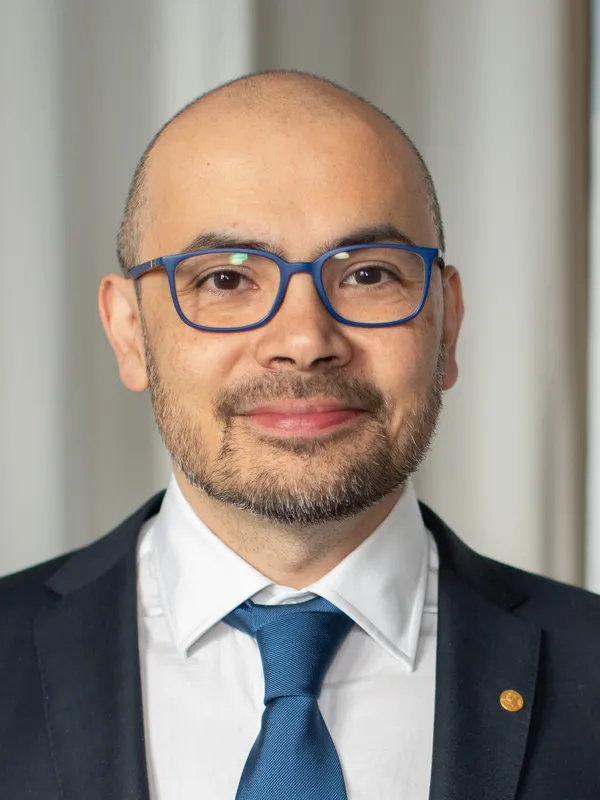 ProfileDemis HassabisAI researcher, co-founder and CEO of Google DeepMind
Related
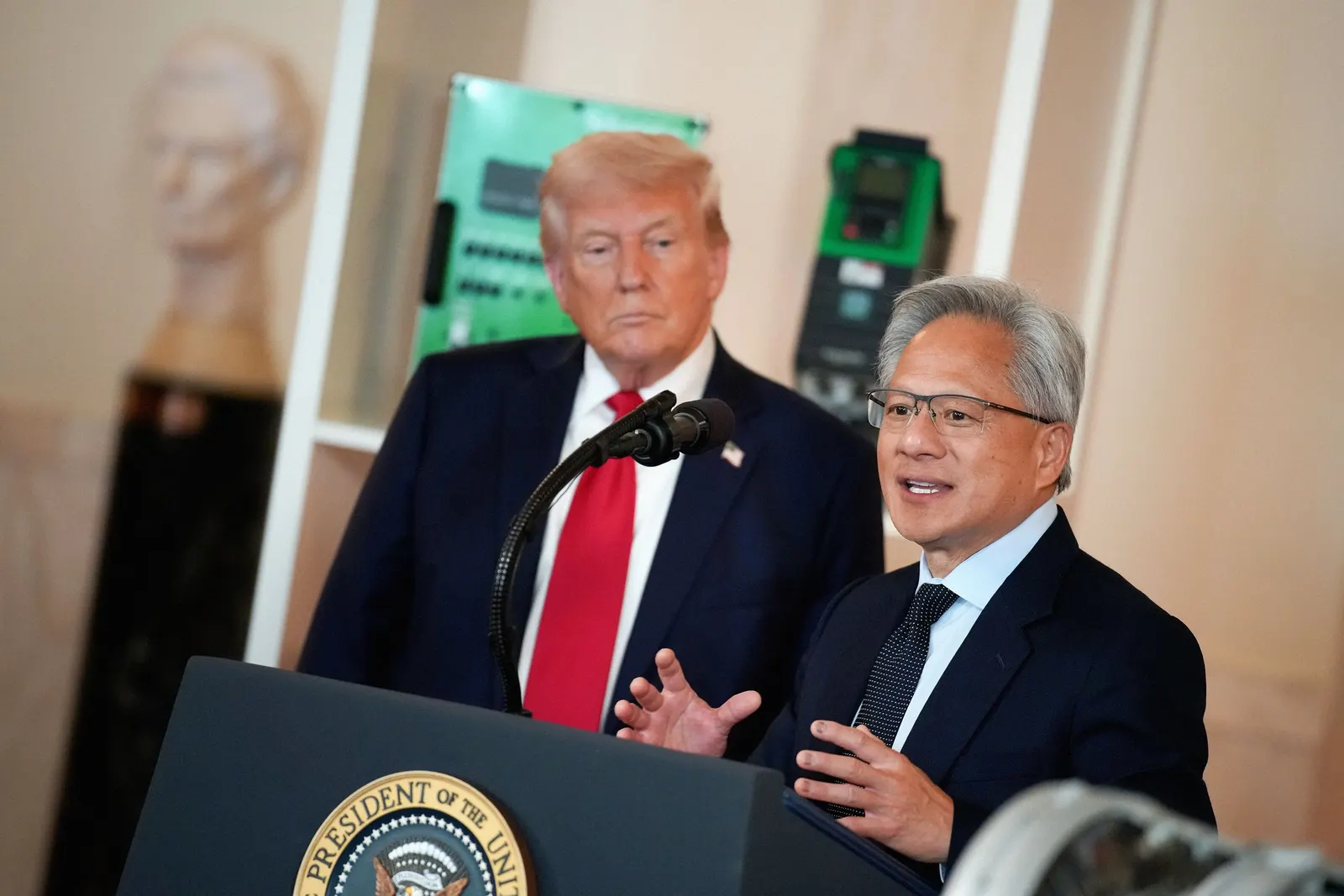
Jensen Huang's Call from Trump Disrupts Nvidia's All-Hands Meeting
During Nvidia's recent all-hands meeting, CEO Jensen Huang received an unexpected call from Donald Trump, sparking employee buzz about its implications.
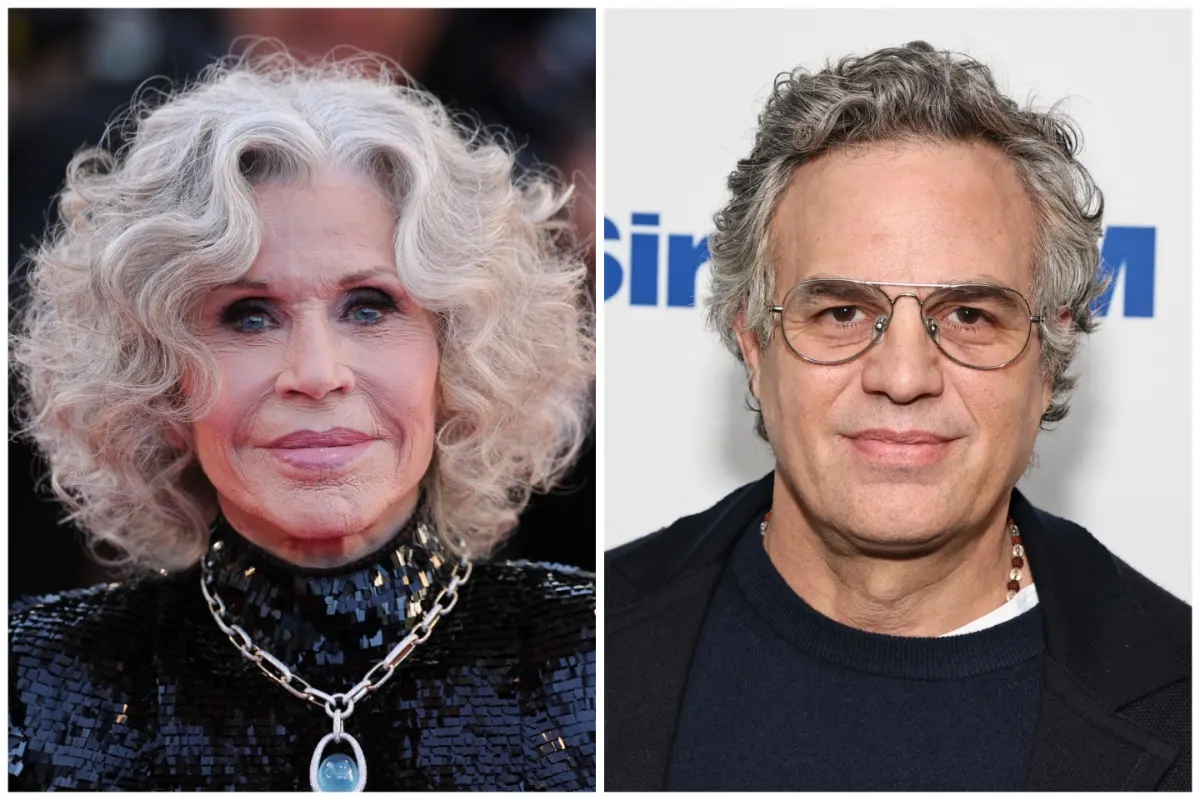
Jane Fonda Supports Mark Ruffalo Amid Controversy Over Antisemitism Claims
Jane Fonda stands by Mark Ruffalo after he was labeled antisemitic by Paramount for criticizing Larry Ellison's ties to Israel and a major merger.
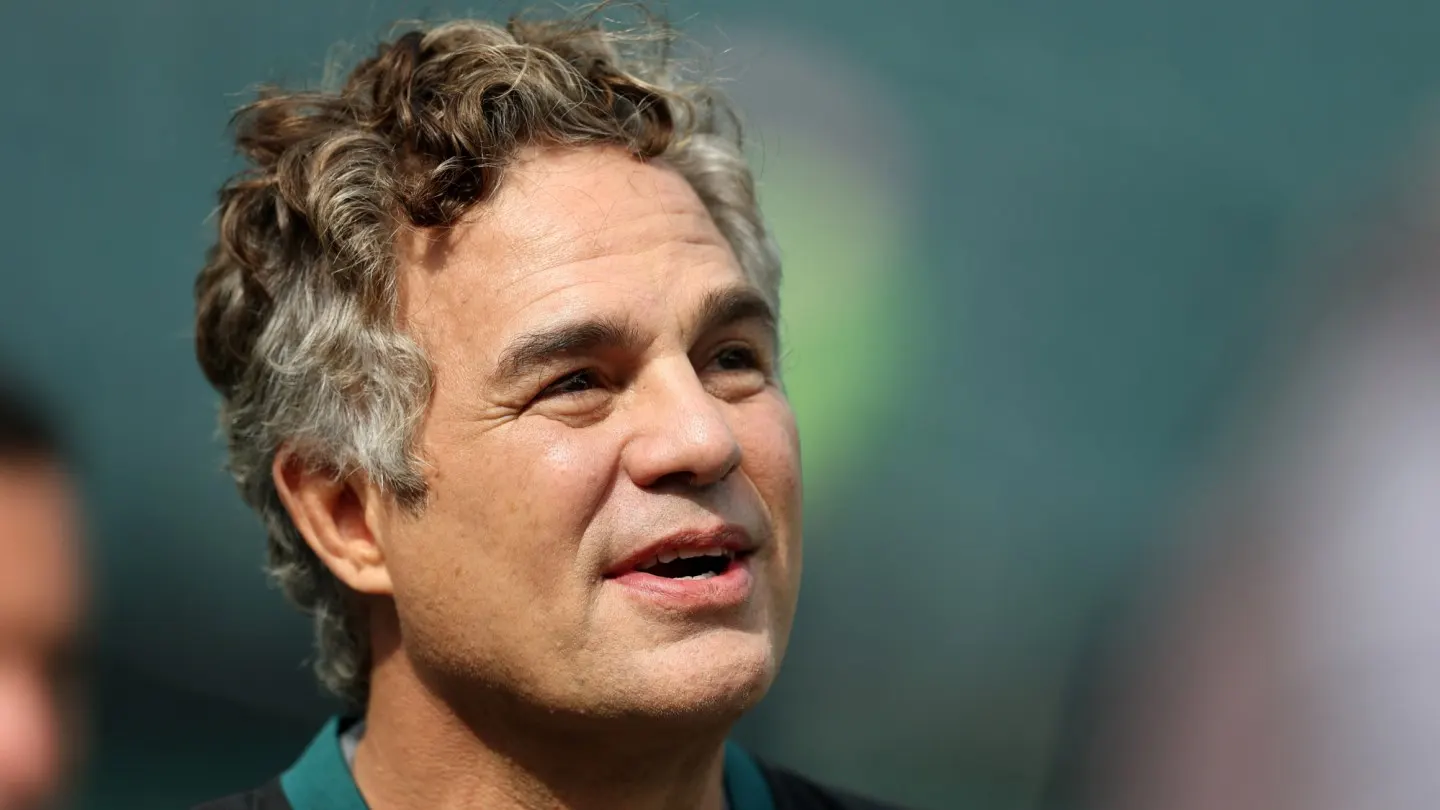
Mark Ruffalo Ties Oracle's Military Tech to Paramount Deal, Studio Fires Back
The Hulk actor linked Larry Ellison's Oracle to Israel's military operations, prompting an unusual public response from Paramount calling the remarks antisemitic.