AI-Powered Boycott Campaign Targeted Ali G Sequel's Cinema Release

A pro-Palestine activist platform used AI-assisted mass emails to pressure cinema chains into dropping Sacha Baron Cohen's Ali G sequel.
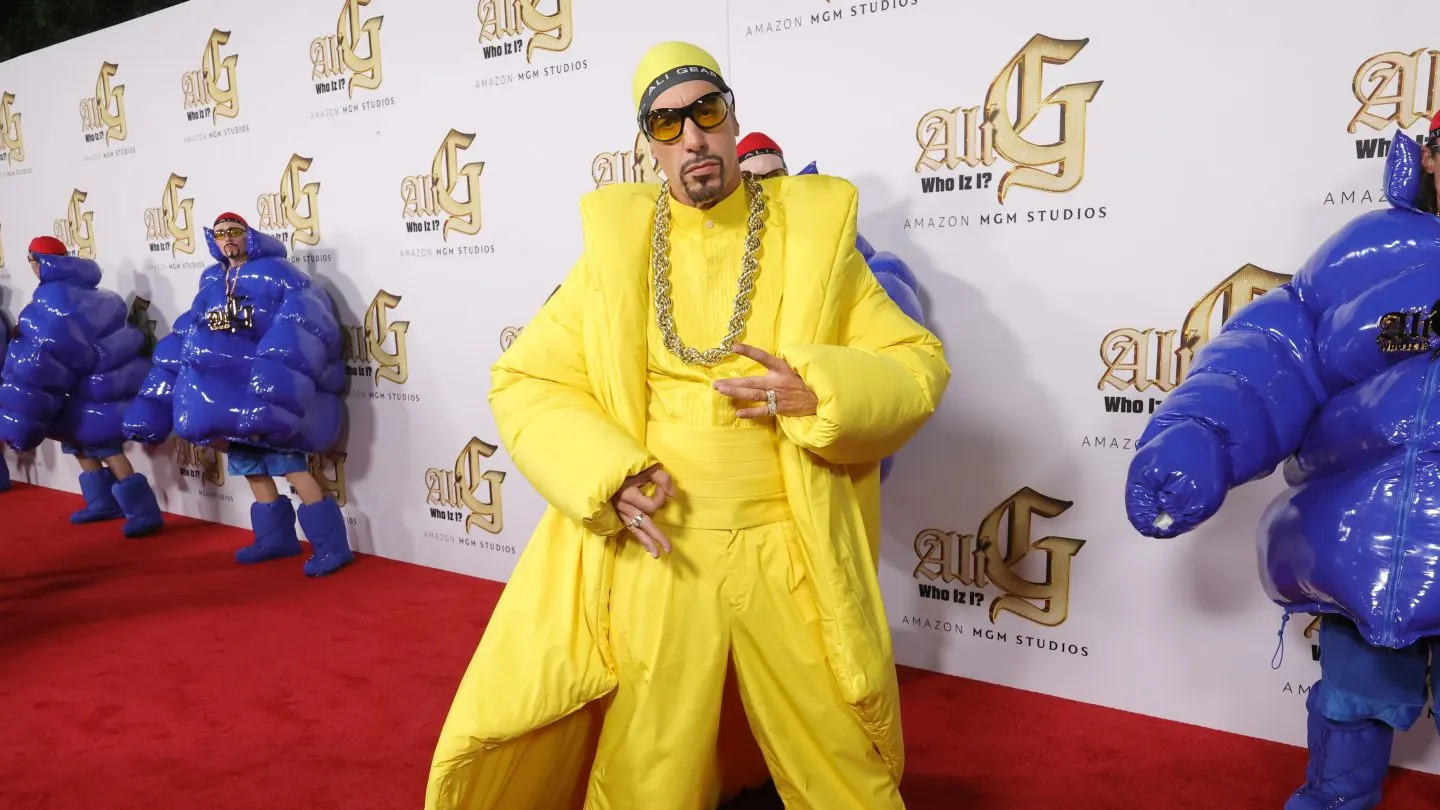
The release of Ali G: Who Iz I? proved to be as much a cultural and political event as a cinematic one — and much of the turbulence unfolded far from any screening room. Behind the mixed reviews and streaming rollout on Amazon Prime Video lay a coordinated, technology-assisted campaign to keep the film out of theatres entirely, orchestrated by activist networks with a broader agenda that extends well beyond the question of whether Ali G's cultural commentary has aged gracefully.
An AI-Fuelled Campaign Against the Cinemas
According to The Hollywood Reporter, a U.K.-based online activism platform called NewsCord claimed to have dispatched approximately 55,000 emails to exhibitors on both sides of the Atlantic, urging chains such as Cineworld, Odeon, Landmark, and Cinemark to refuse to screen the film. The mechanism was notably modern: NewsCord offered users personalised letter templates generated with the assistance of a "specialized language model," effectively industrialising the protest correspondence. The platform registered what it described as an early victory when Picturehouse, a small London-based circuit, indicated it had no plans to screen the sequel — promptly removing the chain from its target list. When the film launched on October 23rd in a limited theatrical window that Amazon itself termed a "stunt release," NewsCord declared its campaign a success, though the characterisation conflated the studio's own strategic distribution choice with the impact of activist pressure.
The Network Behind the Pressure
NewsCord's origins trace to a nonprofit called Tech for Palestine, whose stated mission involves "cultivating a garden of projects and services that shut down genocidal speech." The organisation has previously drawn scrutiny — from Tel Aviv University's Institute for National Security Studies and the Anti-Defamation League alike — over efforts to influence Wikipedia's coverage of the Israel-Palestine conflict. In October 2024, Tech for Palestine's CEO Paul Biggar publicly encouraged users to downvote IMDb reviews of documentaries covering the Hamas-led October 7th attacks on Israel, including We Will Dance Again, which aired on Paramount+. A related app incubated by the same organisation, Boycat, has separately called for boycotts of Disney productions featuring Israeli actresses Gal Gadot and Shira Haas. NewsCord's own op-ed framed Cohen's Ali G character as a form of "blackface," and the platform's broader editorial output centres heavily on the conflict in Gaza. Notably, NewsCord has also advocated for the release of flotilla participants whose leaders the U.S. Treasury has designated as Hamas-affiliated operatives.
The Character at the Centre of the Storm
The backlash to the film's trailer, which dropped in late August, was not exclusively political in origin. British commentator Afua Hirsch argued that Ali G's mannerisms — rooted in a white British youth subculture's exaggerated mimicry of Black American and Black British aesthetics — had become culturally indefensible by 2025 standards, citing concerns about the sexualisation and mockery embedded in the character's persona. Cohen, who had been developing the project for some time, appeared to anticipate exactly this kind of reception. He reposted the trailer with a sardonic observation about the perils of comedy in the age of cancel culture, then followed up with a satirical clip featuring a fictional progressive academic — also played by Cohen — calling for a boycott on the grounds of comedic consent. It was a classically Borat-esque manoeuvre: pre-emptively inhabiting the critique to disarm it.
Cohen's Position as a High-Profile Jewish Entertainer
The activist targeting of the film cannot be entirely separated from Cohen's identity. One of Hollywood's most prominent Jewish performers working on-screen, Cohen has long navigated the intersection of ethnic identity and satirical provocation — from early career parodies of Hasidic stereotypes to Borat's infamous "Throw the Jew Down the Well" sequence. More recently, he has taken on serious stage projects alongside his screen work. The same ecosystem of organisations targeting his Ali G sequel has pursued boycotts of films featuring Israeli actresses, suggesting that the campaign's scope reflects geopolitical grievances as much as genuine concerns about comedic representation. Whether Ali G's cultural satire holds up in 2025 is a legitimate artistic debate — but the machinery assembled to suppress it raises questions about the distinction between criticism and organised suppression.
 ProfileSacha Baron CohenActor & comedian
Related
Randy Quaid Slams Anne Hathaway Casting in Days of Thunder Sequel
Randy Quaid, who appeared in the original 1990 film, took to X to demand Nicole Kidman's return and dismiss the Hathaway announcement.

Eva Mendes' 'de Gosling' Tattoo Is the Only One She's Ever Wanted
Eva Mendes is showing off her wrist tattoo again — a small but meaningful piece of ink that carries a deep cultural significance.
Steven Spielberg's 'War of the Worlds' Returns to Streaming Amid Debate
Steven Spielberg's 'War of the Worlds' is hitting HBO Max next month, reigniting discussions on its mixed reception.