Movies
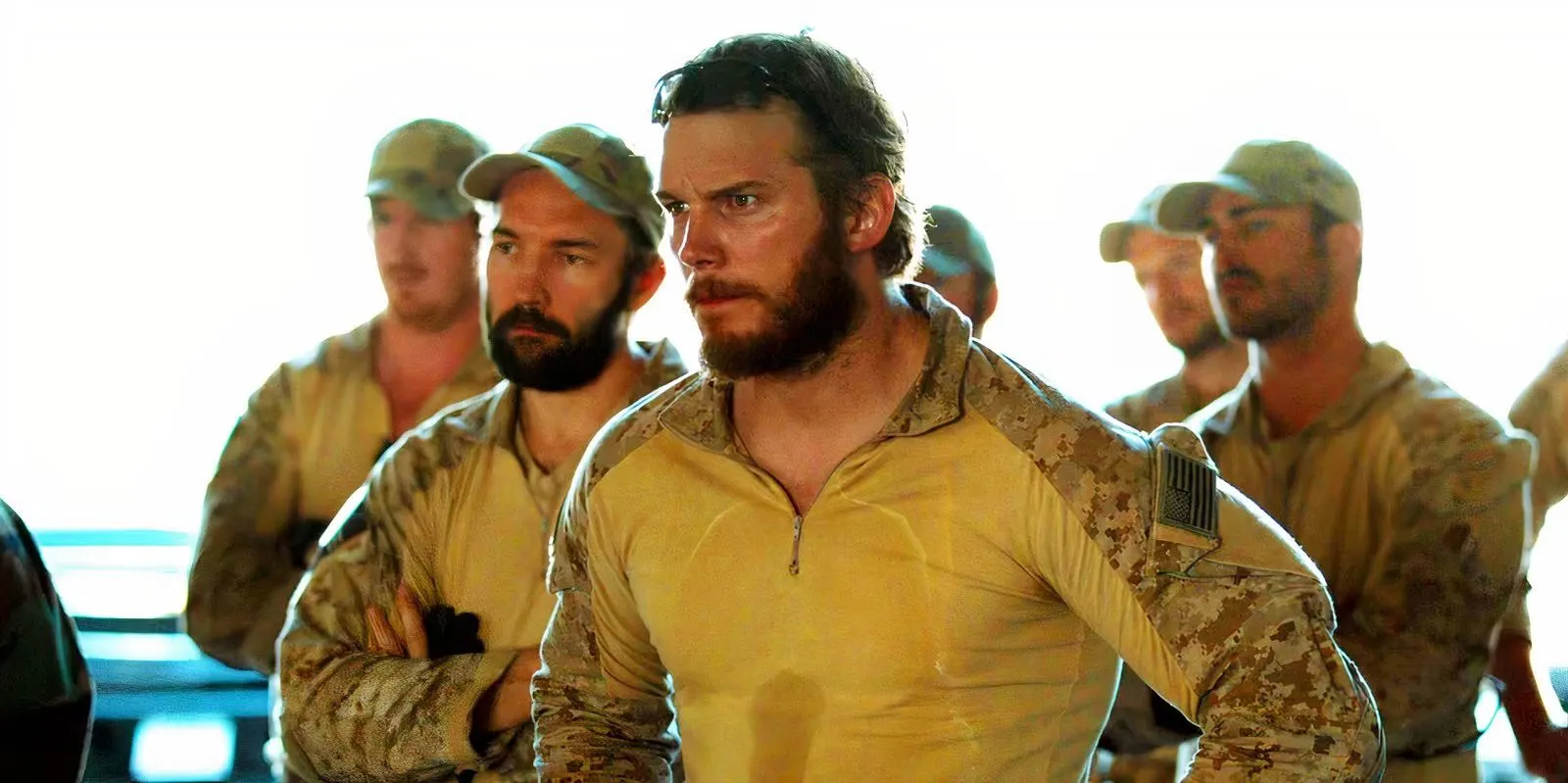
How Zero Dark Thirty Quietly Turned Chris Pratt Into a Movie Star
Kathryn Bigelow's gripping 2012 thriller, now on Netflix, gave Pratt the small but pivotal role that convinced Marvel he could be Star-Lord.
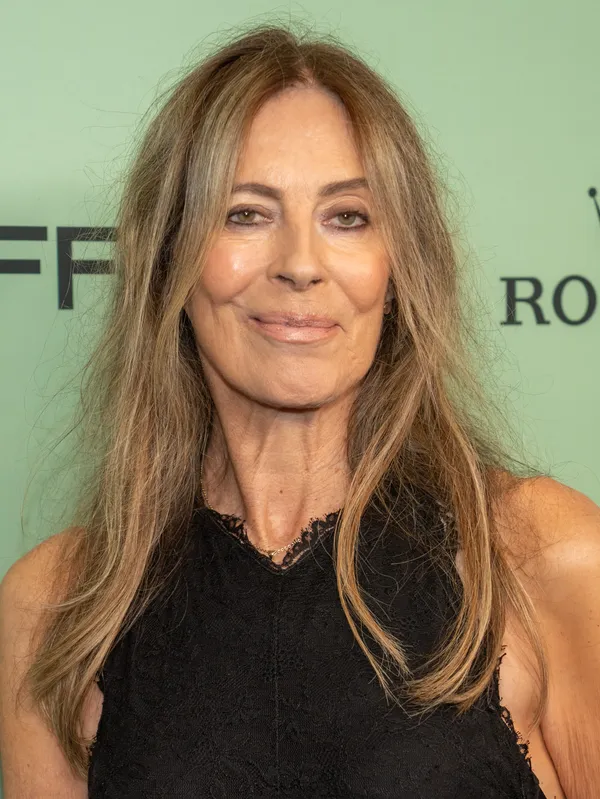
Film director & producer
Kathryn Bigelow is an American film director and producer known for tense, action-driven and politically charged films. She made history as the first woman to win the Academy Award for Best Director, for the Iraq War drama The Hurt Locker, and is recognised for a body of work that blends visceral filmmaking with serious subject matter.
Bigelow was born on 27 November 1951 in San Carlos, California. She initially trained as a painter, studying art and pursuing visual art before turning to film. Her background in the fine arts and critical theory informed an approach to cinema that combined formal rigour with a strong sense of visual style, and she moved into filmmaking in the late 1970s and 1980s.
Her early features established her interest in genre filmmaking infused with deeper themes, including the vampire-western Near Dark and the action thriller Point Break, which became a cult favourite. She continued to explore action and science-fiction territory with films such as Strange Days, often working against the conventions of male-dominated genres while bringing a distinctive directorial voice.
Her greatest critical success came with The Hurt Locker (2008), a drama following a U.S. Army bomb-disposal team in Iraq. The film won multiple Academy Awards, including Best Picture and Best Director, making Bigelow the first woman to receive the directing prize. The achievement was widely seen as a landmark moment for women in an industry where directing had long been dominated by men, and it brought renewed attention to her earlier work. She followed it with Zero Dark Thirty, a dramatisation of the decade-long hunt for Osama bin Laden, which earned widespread acclaim and sparked public debate about its depiction of intelligence operations and interrogation methods.
Bigelow's filmmaking is often noted for its immersive, documentary-like intensity and its willingness to engage directly with contemporary conflict and questions of moral responsibility. She has frequently collaborated with the journalist and screenwriter Mark Boal on her more recent politically themed projects, combining reportage-driven storytelling with her command of tension and action.
Bigelow has continued to make films that engage with contemporary political and social issues, including Detroit, which dramatised events during the 1967 Detroit unrest. She has remained an influential figure in American cinema, returning to feature filmmaking in the 2020s with new projects that maintain her focus on high-stakes, real-world tension. Across her career she has been celebrated for expanding the possibilities open to women directors and for her command of suspense, pacing and morally complex storytelling.
Kathryn Bigelow's gripping 2012 thriller, now on Netflix, gave Pratt the small but pivotal role that convinced Marvel he could be Star-Lord.
FAQ
Kathryn Bigelow was born on November 27, 1951, which makes 74 years old.
Kathryn Bigelow is from United States.
Kathryn Bigelow is best known as Screenwriter, Executive producer, Film producer. Notable work includes The Hurt Locker, Zero Dark Thirty, Point Break; first woman to win Best Director Oscar.