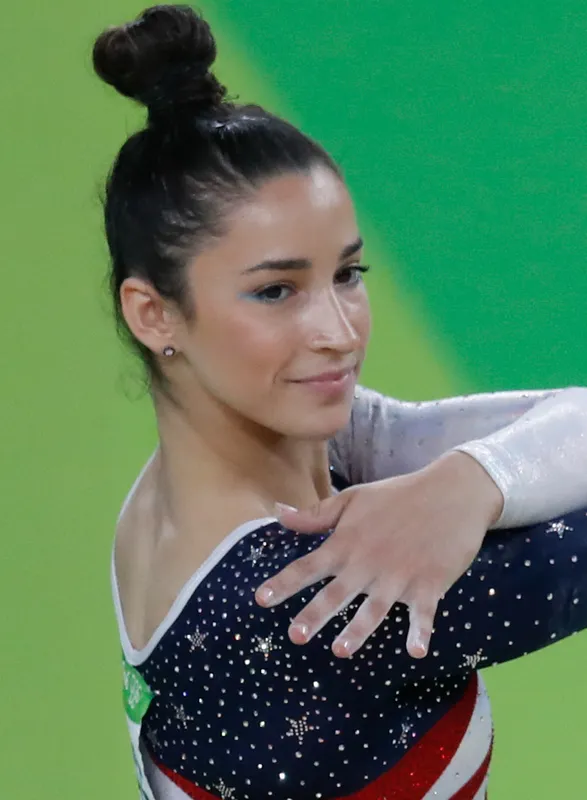
Aly Raisman
Olympic gymnast
Aly Raisman is an American artistic gymnast who won multiple Olympic medals across the 2012 and 2016 Summer Games and served as captain of both United States women's gymnastics teams. She became known for her powerful floor routines and leadership, and later for her advocacy on behalf of abuse survivors in the sport.
Early life
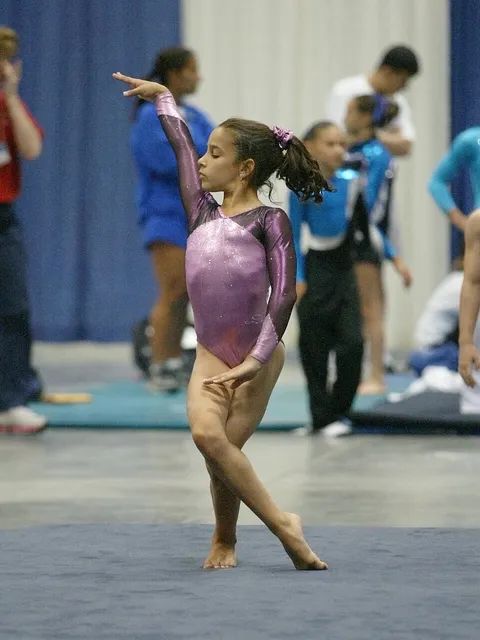
Alexandra Rose Raisman was born on May 25, 1994, in Needham, Massachusetts. She began gymnastics as a young child and trained in the Boston area, rising through the competitive ranks of American gymnastics. Her dedication to the demanding training regimen of elite gymnastics positioned her for national and international competition by her late teens.
Career
Raisman competed at the 2012 Summer Olympics in London, where she captained the U.S. women's team that won the team gold medal, a squad popularly nicknamed the "Fierce Five." Individually she won a gold medal in the floor exercise and a bronze on the balance beam, becoming one of the standout performers of those Games. Her floor routine, set to a well-known piece of music, drew particular attention.
She returned for the 2016 Summer Olympics in Rio de Janeiro as captain of the team known as the "Final Five," which again won the team gold medal. She added individual silver medals in the floor exercise and the all-around competition, cementing her status as one of the most decorated American gymnasts of her era. Her consistency across two Olympic cycles made her a key figure in a period of sustained U.S. dominance in women's gymnastics.
Recent work
After stepping away from competition, Raisman became a prominent public advocate, speaking out as a survivor in the abuse scandal involving former USA Gymnastics team doctor Larry Nassar and calling for greater accountability and athlete protection within the sport. She has used her platform to promote awareness around abuse prevention and athlete well-being. Raisman has also worked in media, appeared in endorsements and public campaigns, and published a memoir reflecting on her career and experiences. She remains an influential voice in conversations about athlete safety and the culture of competitive gymnastics.
Her testimony and public statements during the Nassar case were widely covered and contributed to broader scrutiny of how sports governing bodies protect young athletes. Beyond advocacy, Raisman has pursued interests in modeling, television appearances and entrepreneurship, and she has spoken about the challenges of transitioning away from a sport that demands intense focus from an early age. As one of the most decorated American gymnasts of the 2010s, she is frequently referenced in discussions of the sport's recent history, both for her athletic achievements and for the role she played in pushing for reform.
Photos
Videos
On Instagram









FAQ
Aly Raisman — Frequently asked questions
How old is Aly Raisman?+
Aly Raisman was born on May 25, 1994, which makes 32 years old.
Where is Aly Raisman from?+
Aly Raisman is from United States.
What is Aly Raisman known for?+
Aly Raisman is best known as Athlete, Artistic gymnast. Notable work includes Two-time Olympian, team gold medals, captain of the "Fierce Five" and "Final Five".
How tall is Aly Raisman?+
Aly Raisman is 1.47 m (147 cm) tall.
Is Aly Raisman on social media?+
Yes — Aly Raisman is on Instagram, X (Twitter), Facebook. You can find the official links on this page.