Why Z for Zachariah Is One of Margot Robbie's Most Underrated Films

Craig Zobel's quiet, character-driven post-apocalyptic thriller gave Margot Robbie, Chiwetel Ejiofor, and Chris Pine a stage unlike any other.
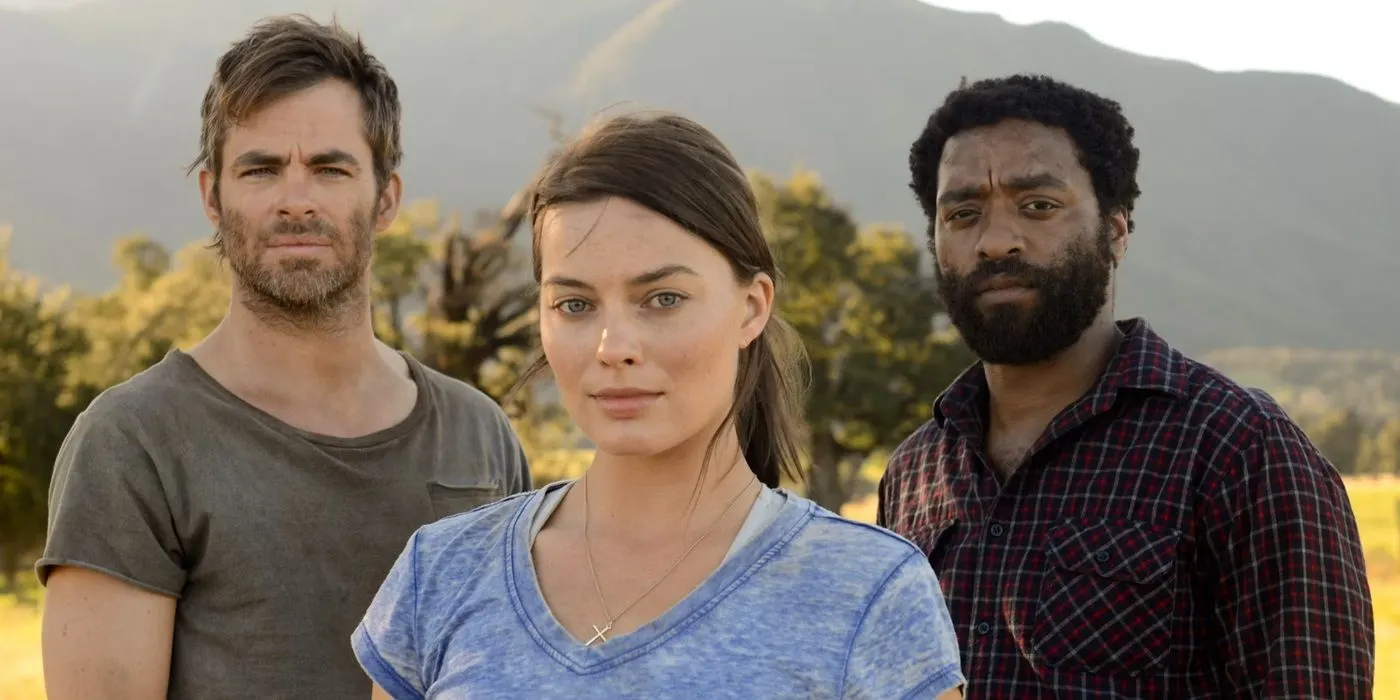
Among the more overlooked entries in the contemporary post-apocalyptic canon, Z for Zachariah represents exactly the kind of intimate, psychologically rich filmmaking that the genre too rarely attempts. Directed by Craig Zobel and featuring a cast of remarkable depth in Margot Robbie, Chiwetel Ejiofor, and Chris Pine, the film quietly earns a place among the more serious-minded science-fiction dramas of the past decade.
The Case for Introspective Apocalypse
There has always been a meaningful divide within post-apocalyptic cinema — one separating the spectacle-driven destruction of films like The Day After Tomorrow from the contemplative, humanist strain that traces its lineage through works like On the Beach and The Road. According to Collider, Z for Zachariah firmly belongs to that second tradition. Rather than foregrounding mutated wastelands or survivalist action, the film strips the genre down to its most essential question: what does it genuinely mean to keep living when the world around you has been rendered desolate and silent?
Adapted from Robert C. O'Brien's 1974 young adult novel, the picture transplants that philosophical inquiry into an isolated valley somewhere in the American South — a microclimate miraculously spared from the radiation of a nuclear catastrophe. It is a setting that, counterintuitively, removes the immediate pressure of physical survival and places all dramatic weight squarely on the shoulders of its characters.
Three Actors, One Valley, Infinite Tension
The film's premise is elegantly minimal. Ann Burden, played by Robbie, has been living alone on her family's farm, tending crops and quietly hoping for the return of relatives who ventured beyond the valley's protective boundary. When John Loomis — an engineer portrayed with measured intensity by Ejiofor — stumbles into her safe haven and nearly poisons himself by bathing in an irradiated stream, Ann nurses him back to health with an instinctive generosity that defines her character throughout.
The two build a tentative, productive coexistence: Loomis applies his engineering instincts to practical problems like restoring a water wheel for power generation, while Ann's farming knowledge keeps the household fed through the seasons. It is a functional partnership shadowed by unspoken tensions, and that equilibrium is precisely what fractures when a third figure, Caleb — a miner who waited out the fallout underground, played with studied charm by Pine — arrives carrying rumors of a survivor settlement further south.
Caleb's arrival does not introduce action so much as it recalibrates every existing relationship in the film. Loomis grows wary; Ann remains open-hearted. The friction between masculine suspicion and feminine trust becomes the film's quiet engine, and Zobel's direction gives that friction room to breathe without forcing resolution.
Robbie as the Film's Moral Compass
It would be easy, given Pine's charisma and Ejiofor's formidable screen presence, for any performer to recede into the background of this three-hander. What makes Z for Zachariah particularly worth revisiting is the way Robbie refuses that fate entirely. Ann is the film's moral and emotional center — a young woman whose capacity for trust reads simultaneously as her greatest strength and her most acute vulnerability. Robbie calibrates the role with the kind of restraint that rarely generates awards headlines but reveals itself more fully on repeat viewings.
For an actress whose range extends from stylish genre pictures to blockbuster cultural phenomena — with future projects continuing to expand her footprint — Z for Zachariah stands as evidence of her early instinct for choosing roles defined by interiority rather than spectacle.
A Film Worth Rediscovering
The picture received only a limited theatrical release and generated modest attention upon arrival, a fate that has perhaps unfairly kept it at the margins of conversations about both its stars and the post-apocalyptic genre itself. Revisited now, it holds up as a precise, quietly unnerving meditation on trust, isolation, and the social contracts we reconstruct — or fail to — when civilization collapses. For viewers willing to trade scale for substance, Z for Zachariah rewards the patience it demands.
Related on Ni4o: Margot Robbie Braves London Heatwave in Chic All-Black Look
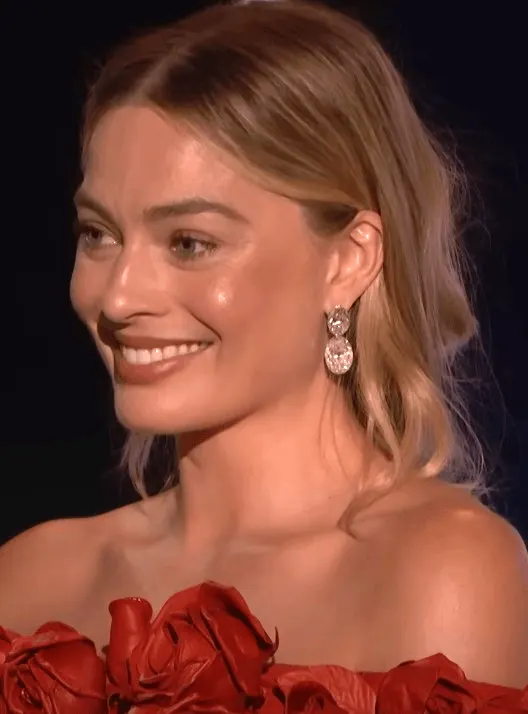 ProfileMargot RobbieActress and film producer
Related
Randy Quaid Slams Anne Hathaway Casting in Days of Thunder Sequel
Randy Quaid, who appeared in the original 1990 film, took to X to demand Nicole Kidman's return and dismiss the Hathaway announcement.

Eva Mendes' 'de Gosling' Tattoo Is the Only One She's Ever Wanted
Eva Mendes is showing off her wrist tattoo again — a small but meaningful piece of ink that carries a deep cultural significance.
Steven Spielberg's 'War of the Worlds' Returns to Streaming Amid Debate
Steven Spielberg's 'War of the Worlds' is hitting HBO Max next month, reigniting discussions on its mixed reception.