Why Thor: Ragnarok Remains Marvel's Most Transformative Solo Film

Nine years on, Taika Waititi's Thor: Ragnarok still stands as the moment Marvel finally unlocked what made Chris Hemsworth's god of thunder worth watching.
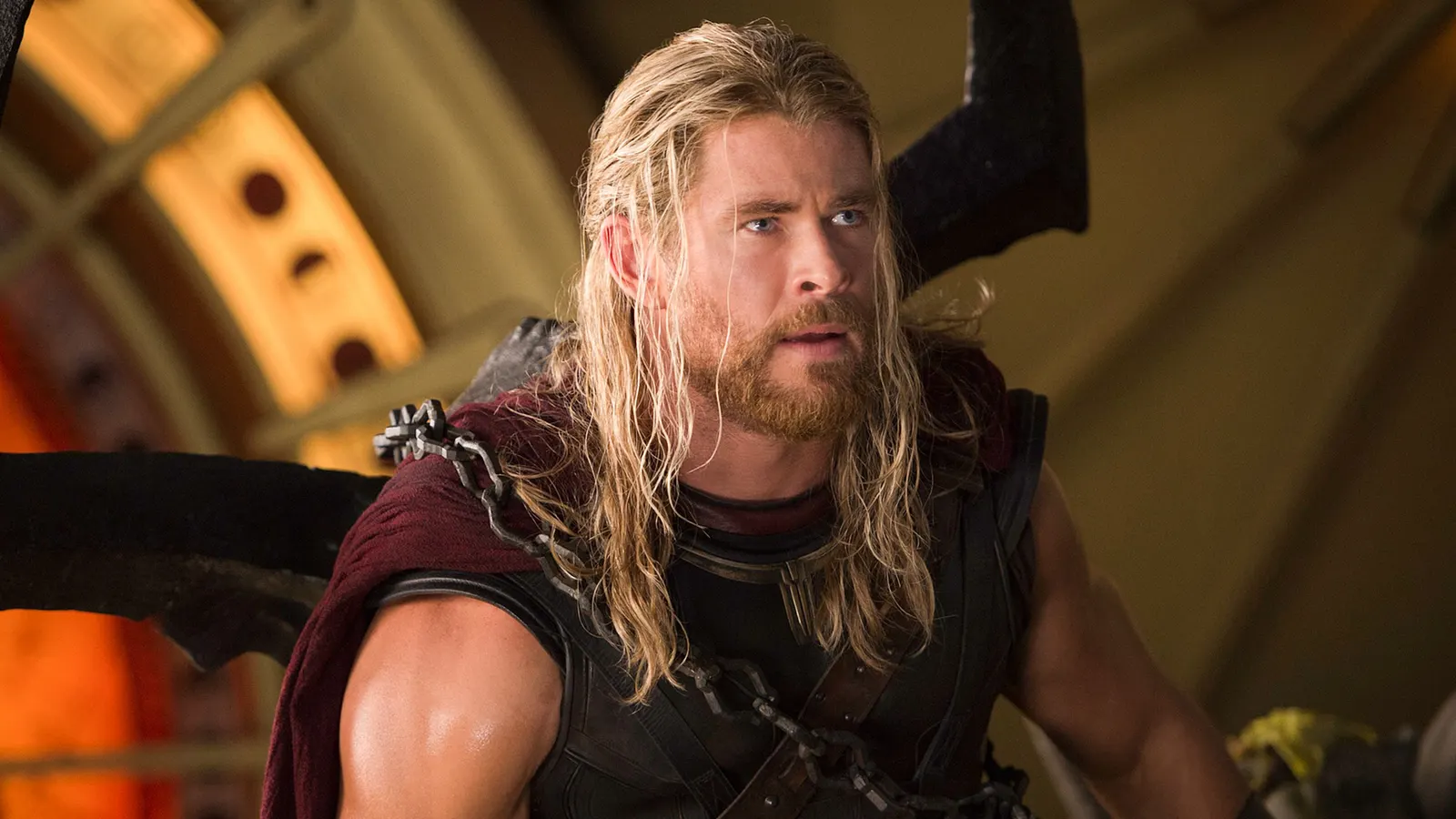
Nine years after its 2017 release, Thor: Ragnarok continues to occupy a singular place in the Marvel Cinematic Universe — not merely as a crowd-pleaser, but as a genuinely considered piece of franchise filmmaking that understood, perhaps for the first time, what Chris Hemsworth's Thor actually needed to become a compelling screen hero. According to Collider, the film remains one of the best entries Marvel has ever produced, and revisiting it now only reinforces that assessment.
A Series That Struggled to Find Its Voice
Few major superhero franchises have had as uneven a trajectory as Thor's solo run. The 2011 original, directed by Kenneth Branagh, leaned into Shakespearean dynastic drama with mixed results — noble in ambition, but stiff in execution. Its 2013 sequel, The Dark World, is widely regarded as one of the MCU's low points: a film that neither committed to cosmic grandeur nor found genuine emotional stakes. By the time a third chapter was greenlit, the character was in a precarious position. Hemsworth himself had spoken publicly about his diminishing enthusiasm for the role, a creative restlessness that makes what Taika Waititi ultimately delivered all the more remarkable. For an actor who has since demonstrated his range in projects well beyond the MCU — most recently gearing up for his return to the franchise — Ragnarok was something of an artistic lifeline.
Waititi's Radical Prescription: Strip Everything Away
What separates Ragnarok from its predecessors is not simply its comedic energy, though Waititi's instinct for absurdist humor is undeniably liberating. The more profound creative decision was structural and even symbolic: the film systematically dismantles every crutch Thor had been leaning on. Mjolnir, his defining weapon and shorthand for his worthiness, is destroyed early in the second act by Hela (a magnificently imperious Cate Blanchett). His father Odin (Anthony Hopkins) dies. His golden locks are shorn. His home is threatened with annihilation. Stripped of title, tool, and familiar surroundings and deposited on the chaotic junk planet Sakaar, Thor is forced to rebuild himself from the ground up — forging new alliances with Bruce Banner (Mark Ruffalo), the morally fluid Loki (Tom Hiddleston), and the guarded Valkyrie (Tessa Thompson).
This kind of deliberate deconstruction echoes a long tradition in adventure storytelling — from the hero stripped of power in classical myth to the noir protagonist dropped into an unfamiliar world where status means nothing. The character's arc becomes less about wielding strength and more about discovering its source. It is, in narrative terms, the difference between a character who has power and one who earns it.
Hemsworth's Comedy as Craft
It is worth pausing on what Hemsworth himself brought to this reinvention. For much of his MCU tenure, the actor's natural comedic timing had been underused — a quality more evident in lighter projects like his work in Men in Black: International and his action-thriller outings, including the Extraction franchise. Ragnarok finally gave that instinct room to breathe within the MCU context, while ensuring the humor never entirely displaced genuine emotional weight. The film's tonal balance — laugh-out-loud funny in one scene, quietly moving in the next — is harder to achieve than it appears, and Hemsworth navigates it with a performer's precision.
The Lasting Significance of Getting Thor Right
With Avengers: Infinity Defense on the horizon and Hemsworth set to reprise the role alongside a star-studded ensemble, the foundation that Ragnarok laid feels more consequential than ever. The film did not just save a struggling franchise thread — it redefined what a superhero reinvention could look like when a filmmaker is given genuine creative latitude. Waititi proved that audiences do not need to be comfortable with a character; they need to be invested in one.
Nine years on, Thor: Ragnarok endures not as a nostalgic artifact but as a master class in knowing when to tear something down in order to build it into something worth caring about.
 ProfileChris HemsworthAustralian actor known for blockbuster action and superhero roles
Related
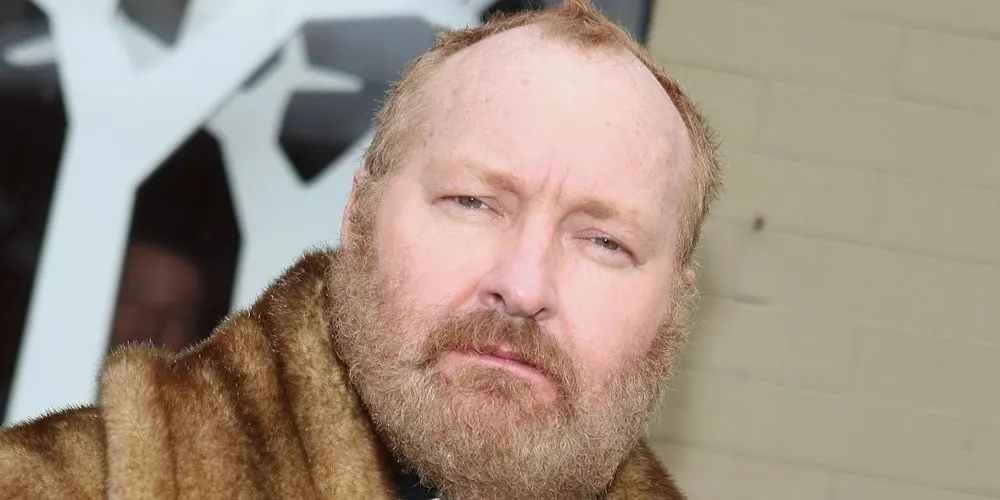
Randy Quaid Slams Anne Hathaway Casting in Days of Thunder Sequel
Randy Quaid, who appeared in the original 1990 film, took to X to demand Nicole Kidman's return and dismiss the Hathaway announcement.

Eva Mendes' 'de Gosling' Tattoo Is the Only One She's Ever Wanted
Eva Mendes is showing off her wrist tattoo again — a small but meaningful piece of ink that carries a deep cultural significance.
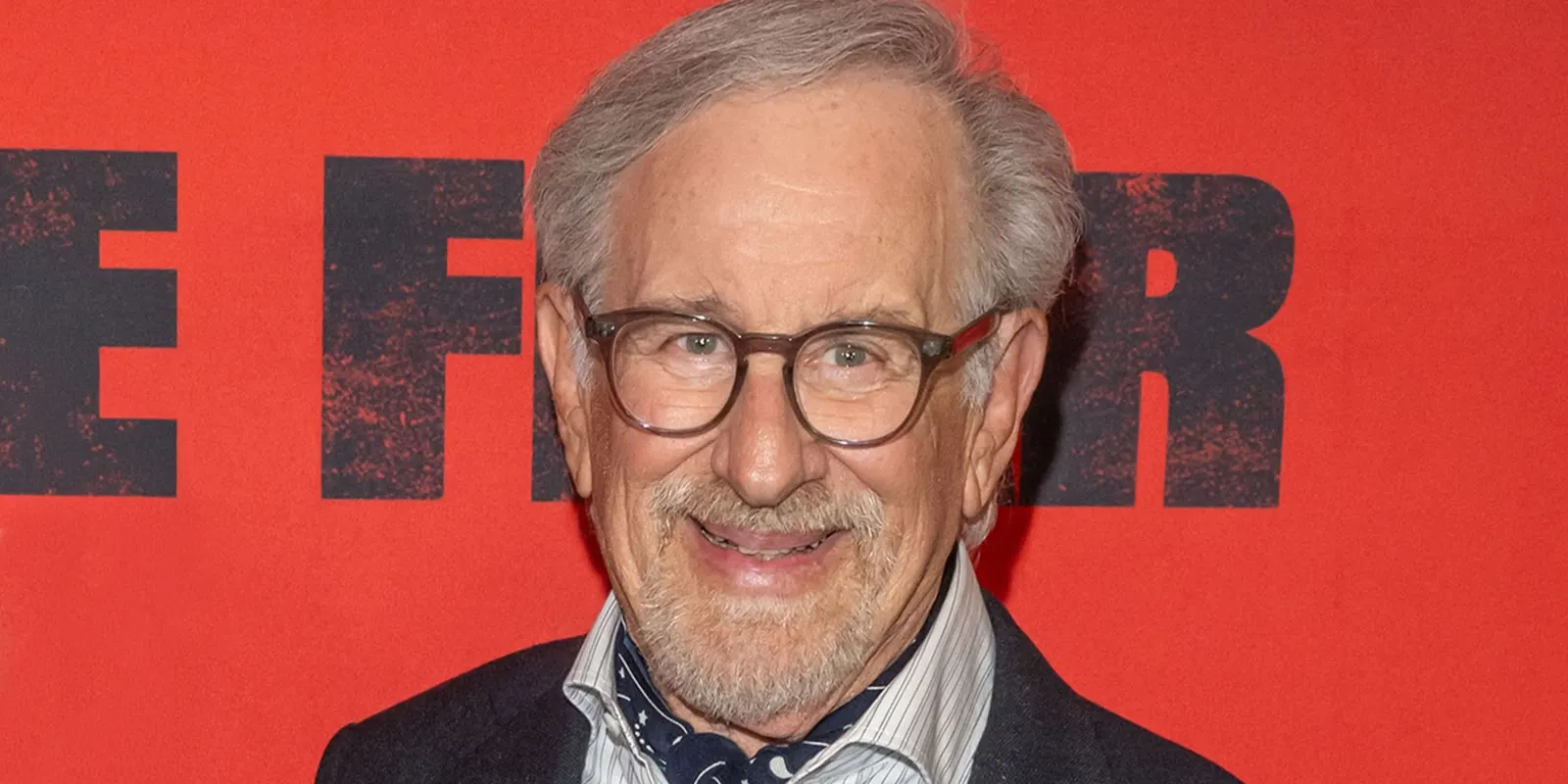
Steven Spielberg's 'War of the Worlds' Returns to Streaming Amid Debate
Steven Spielberg's 'War of the Worlds' is hitting HBO Max next month, reigniting discussions on its mixed reception.