Why Jessica Chastain Calls the Bench Scene in 'Molly's Game' Her Best Ever

Kevin Costner's brief but devastating turn as Jessica Chastain's father in 'Molly's Game' produces what she considers the finest scene of her career.
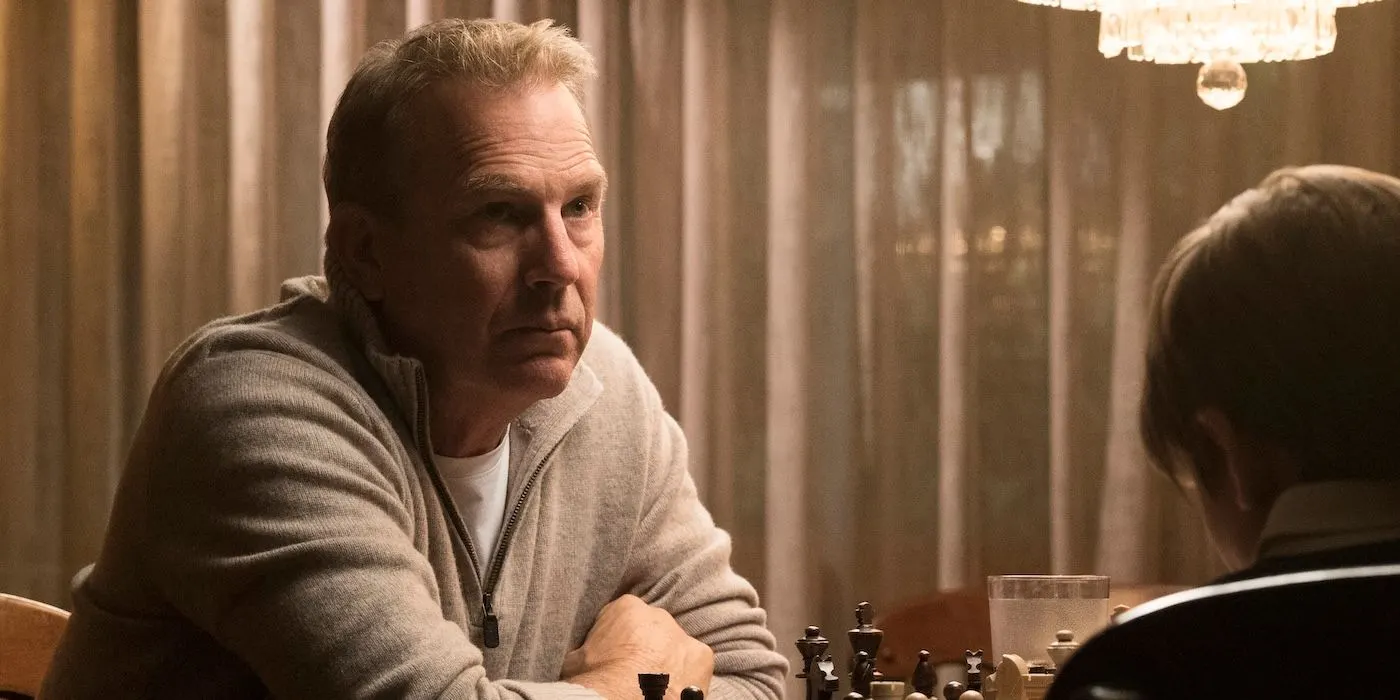
Aaron Sorkin's 2017 directorial debut Molly's Game is a film that rewards close attention — its overlapping timelines, rat-a-tat dialogue, and layered protagonist demand a viewer who is willing to keep up. Yet for all its structural ambition, the sequence that lingers longest in the memory is a quiet two-hander on a park bench, and it belongs almost entirely to Kevin Costner.
A Supporting Turn That Outweighs Its Screen Time
Costner appears in Molly's Game for roughly ten minutes across a film that runs close to two and a half hours — a ratio that, on paper, suggests a glorified cameo. In practice, according to Collider, it may represent the finest concentrated acting of his career. The film traces the real-life arc of Molly Bloom (Jessica Chastain), who built an underground empire around an elite private poker game before facing serious federal charges. Costner plays her father, a psychologist and exacting coach who drove a young Molly through rigorous Olympic ski training. His scenes are confined largely to her childhood flashbacks, where he registers as a recognizable type — the father whose ambitions for his children crowd out his capacity for warmth.
What makes the character far more than a type, however, is the pivotal bench scene late in the film, a piece of writing and performance that operates on a level of emotional precision rarely achieved in contemporary mainstream cinema.
Sorkin's Writing Meets Costner's Range
The scene's conceit is deceptively simple: Molly's father arrives and announces, with clinical detachment, that he is not present as her father but as a therapist offering one complimentary session. He proceeds to dissect her psychological patterns with the cool objectivity of a professional — and then, gradually, the armor dissolves. The man who spent years weaponizing emotional distance finds himself unable to maintain it when confronted with everything his daughter endured, including a violent attack by organized crime figures. The scene closes on a line of staggering tenderness: he tells Molly that trying to comprehend the depth of his love for her would be like attempting to visualize the scale of the universe.
Sorkin, whose screenplay architecture often draws criticism for being too overtly expository, threads the needle here precisely because the emotional content is so specific and so earned. Two characters sitting across from each other, naming themes aloud, should feel schematic — instead it lands as catharsis. Chastain has said publicly that it is the best scene she has ever performed, a striking claim from an actress whose résumé includes work of considerable distinction.
Why Costner Works So Well in This Register
Costner has always been better understood as a performer who embodies rather than transforms — an actor whose strength lies in projecting a particular brand of quiet American sincerity rather than disappearing into radically different personas. That quality, which occasionally limits him in roles demanding menace or volatility, is precisely what gives the bench scene its power. When the walls finally come down on his character, the vulnerability reads as authentic rather than performed, because Costner has spent decades inhabiting men who hold themselves together through sheer force of composure. The collapse, when it comes, carries weight.
The dynamic he builds with Jessica Chastain across their limited shared screen time is also worth noting. Chemistry of that particular father-daughter register — equal parts admiration, resentment, and longing — is not easy to manufacture, and both performers find it without apparent effort.
A Film Worth Revisiting
Molly's Game is available on Paramount+ and holds up as one of Sorkin's most emotionally complete works as a director. For viewers who caught it on initial release and remember it primarily as a showcase for Chastain's formidable lead performance, a rewatch with attention trained on Costner's supporting work reveals a second film nested inside the first — one about a father's failure to say, plainly and in time, what he needed his daughter to hear. It is a reminder that in ensemble storytelling, ten precise minutes can sometimes say more than two hours of carrying a picture.
Related on Ni4o: Jessica Chastain Joins Celebrities Celebrating Taylor Swift and Travis Kelce
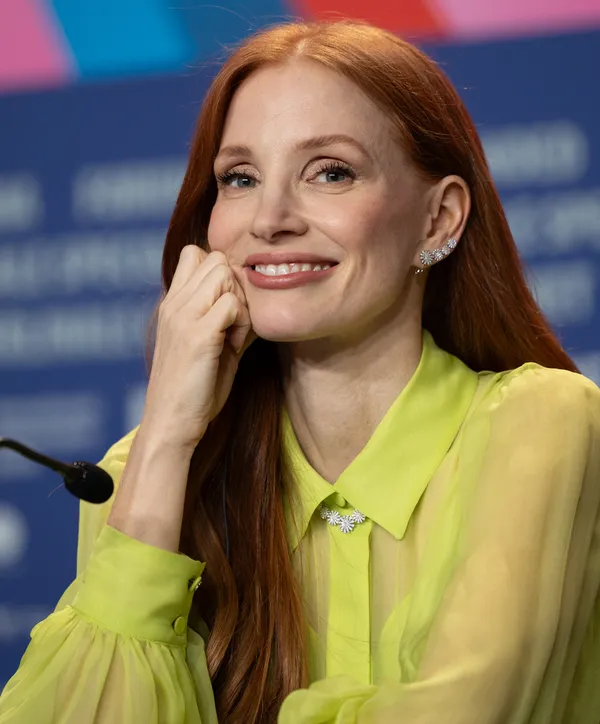 ProfileJessica ChastainActress & producer
Related
Randy Quaid Slams Anne Hathaway Casting in Days of Thunder Sequel
Randy Quaid, who appeared in the original 1990 film, took to X to demand Nicole Kidman's return and dismiss the Hathaway announcement.

Eva Mendes' 'de Gosling' Tattoo Is the Only One She's Ever Wanted
Eva Mendes is showing off her wrist tattoo again — a small but meaningful piece of ink that carries a deep cultural significance.
Steven Spielberg's 'War of the Worlds' Returns to Streaming Amid Debate
Steven Spielberg's 'War of the Worlds' is hitting HBO Max next month, reigniting discussions on its mixed reception.