Why Guillermo del Toro's The Strain Remains the Definitive Vampire Series

With its parasitic mythology, rich ensemble cast, and del Toro's unmistakable creature-craft, The Strain stands as appointment horror television.
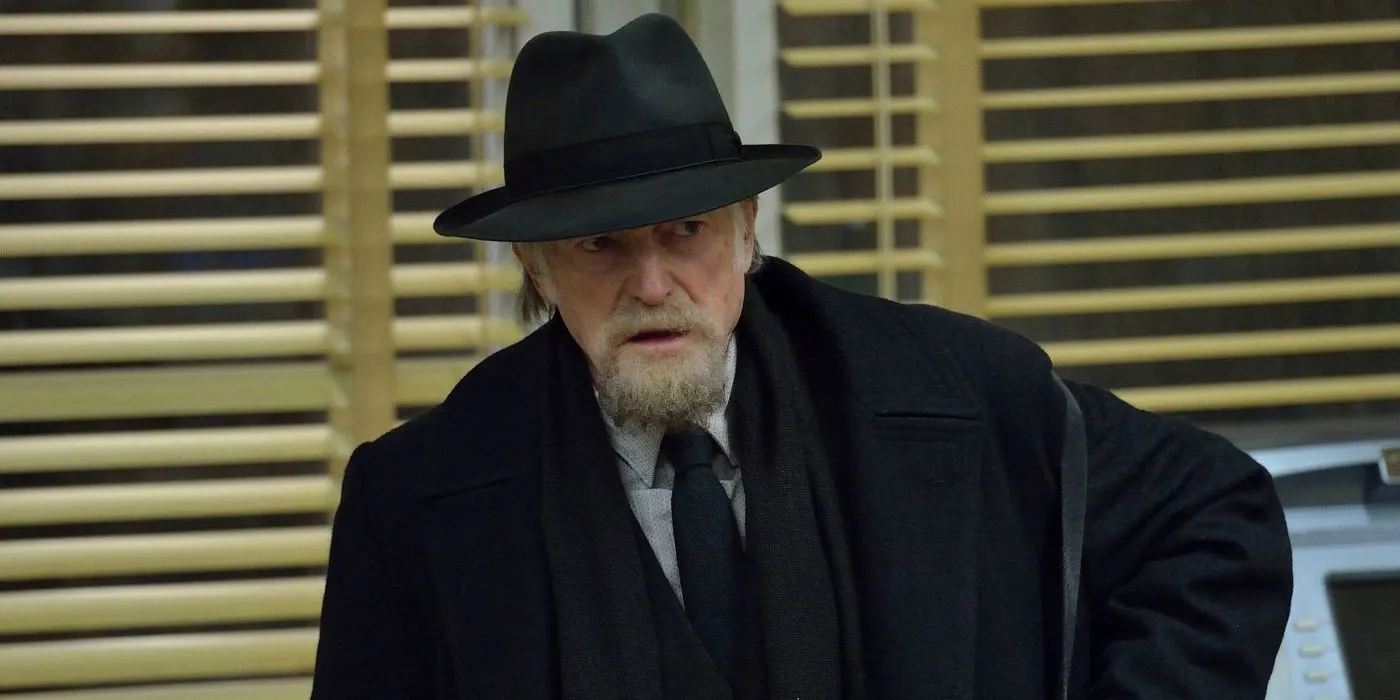
Long before prestige horror became a reliable programming pillar for cable and streaming networks, Guillermo del Toro was already demonstrating — across films like Pan's Labyrinth and The Devil's Backbone — that monsters could carry the full weight of allegory, dread, and genuine emotional complexity. That sensibility translated, perhaps more completely than anyone expected, into The Strain, a four-season television series that remains one of the most confidently crafted entries in the vampire genre. According to Collider, it is arguably the perfect horror binge for audiences with a taste for body horror and mythological world-building.
From Page to Screen, With the Creator at the Helm
What distinguishes The Strain from most television adaptations is the unusual degree of creative continuity between the source material and its screen iteration. Del Toro co-wrote the original trilogy of novels with Chuck Hogan, the first of which arrived in 2009. When the project moved to television — premiering on FX in 2014 and running through 2017 across 46 episodes — both del Toro and Hogan remained directly involved, writing episodes and, in del Toro's case, stepping behind the camera to direct. The result is a series that feels organically connected to its source rather than filtered through layers of adaptation compromise. Del Toro, who has consistently championed practical effects and handcrafted artistry in his theatrical work — a commitment he has reiterated recently in the context of Pan's Labyrinth's 3D restoration — brought that same philosophy to the show's creature design.
A Vampire Mythology Unlike Any Other
The central premise follows Dr. Ephraim Goodweather, a CDC epidemiologist played by Corey Stoll, who is dispatched to investigate the inexplicable mass death of every passenger aboard a recently landed commercial aircraft in New York City. What appears initially to be a contained biological event rapidly reveals itself as something far older and far worse — an ancient vampiric contagion unleashed on a modern metropolis. The genius of del Toro and Hogan's mythology lies in how it reframes vampirism as pathology rather than seduction. These are not the glamorous, brooding bloodsuckers familiar from decades of Gothic romance. Instead, the infection spreads through microscopic, worm-like organisms that enter victims through the eyes and mouth — a piece of creature lore so viscerally effective that it reorients the genre's entire emotional register.
The series deepens its world through historical flashbacks that trace the vampire presence across centuries, lending the contemporary outbreak a genuine sense of ancient menace. The principal antagonist — a figure known as the Master — is constructed as one of the more legitimately terrifying villains in recent horror television, drawing on the same maximalist creature design that has defined del Toro's best theatrical work.
An Ensemble Built for the End of the World
Stoll grounds the series with the kind of reactive, Everyman performance that apocalyptic narratives depend upon. But it is the supporting cast that gives The Strain much of its texture. David Bradley brings a layered, quietly devastating gravitas to Professor Abraham Setrakian, a Holocaust survivor whose entire adult life has been shaped by his knowledge of the vampiric threat. Kevin Durand provides essential counterweight as Vasiliy Fet, a Ukrainian exterminator whose black humor and physical fearlessness make him one of the show's most memorable creations. Across its run, the series also drew notable guest and recurring performers including Regina King, Sean Astin, and Samantha Mathis — a casting record that signals the show's ambition beyond the genre's usual constraints. Ron Perlman, a longtime del Toro collaborator, also figures into the series, continuing a creative partnership that stretches back decades.
Prescient and Potent
Watching The Strain now carries an additional layer of resonance that its creators could not have fully anticipated. The series concluded in 2017, several years before a real-world viral pandemic reshaped how audiences understand outbreak narratives. Its depiction of institutional confusion, denial, and the slow-motion collapse of civic order reads with uncomfortable familiarity. That accidental prescience does not overwhelm the show's entertainment value — the pacing is relentless, the horror consistently inventive — but it does elevate it beyond a straightforward genre exercise. For anyone willing to engage with its particular brand of unflinching creature horror, The Strain represents del Toro's television vision operating at full capacity.
Related on Ni4o: Ron Perlman Signs With IAG as del Toro Collaborator's Career Evolves
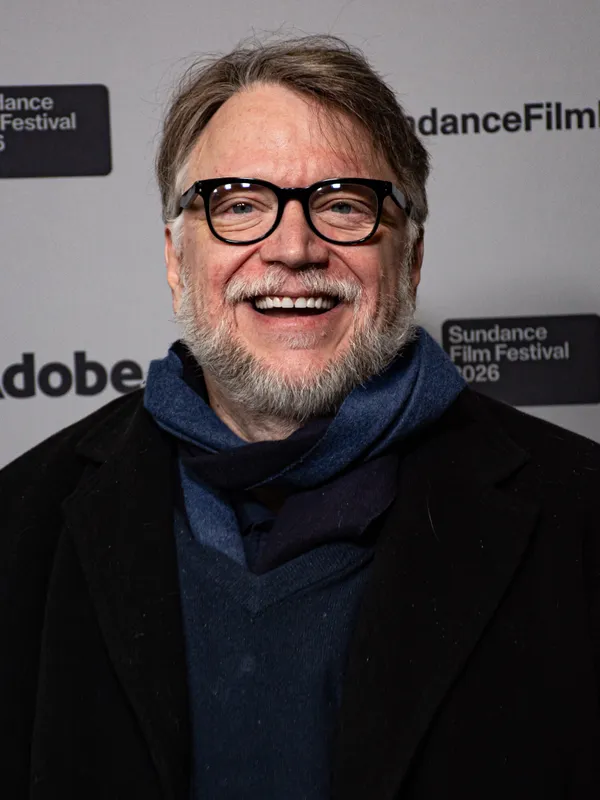 ProfileGuillermo del ToroFilmmaker
Related
Randy Quaid Slams Anne Hathaway Casting in Days of Thunder Sequel
Randy Quaid, who appeared in the original 1990 film, took to X to demand Nicole Kidman's return and dismiss the Hathaway announcement.

Eva Mendes' 'de Gosling' Tattoo Is the Only One She's Ever Wanted
Eva Mendes is showing off her wrist tattoo again — a small but meaningful piece of ink that carries a deep cultural significance.
Steven Spielberg's 'War of the Worlds' Returns to Streaming Amid Debate
Steven Spielberg's 'War of the Worlds' is hitting HBO Max next month, reigniting discussions on its mixed reception.