Why GQ's Tom Cruise Profile Never Mentioned Scientology

GQ's Zach Baron explains the deliberate editorial choice to skip questions about Cruise's faith during their rare, wide-ranging sit-down interview.
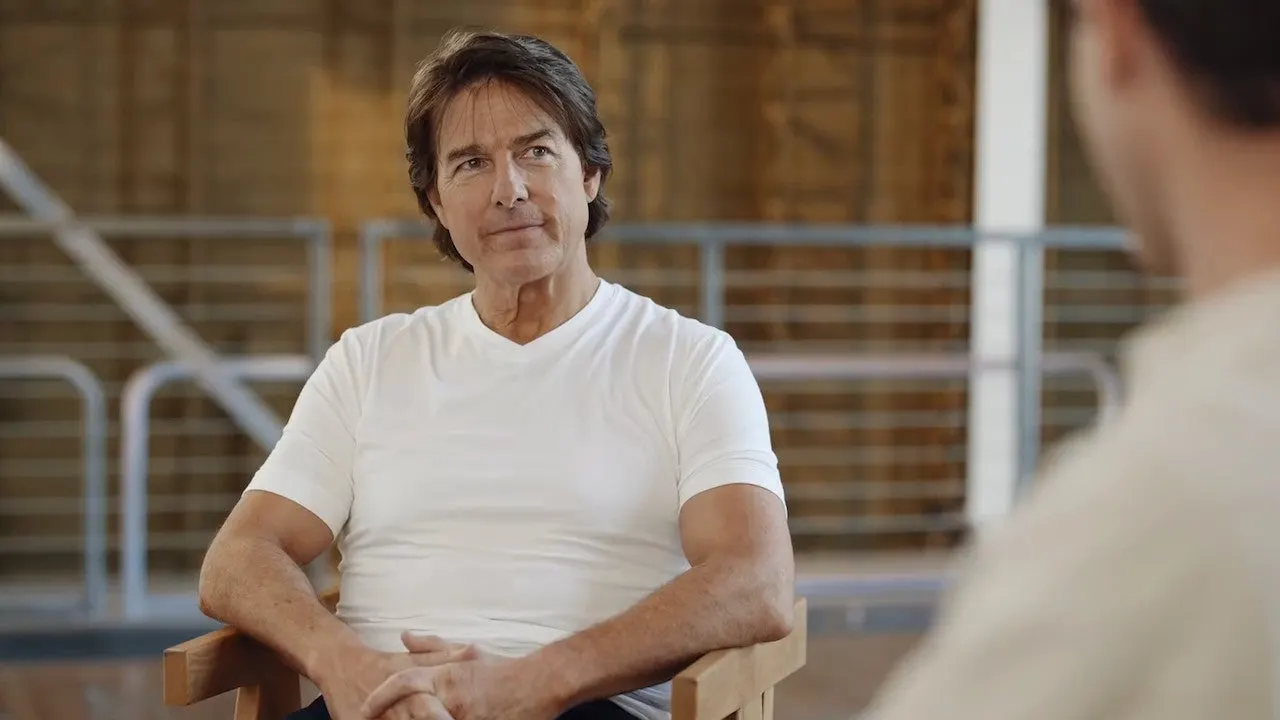
Tom Cruise's willingness to sit for a long-form magazine profile ahead of his upcoming film Digger broke a years-long pattern of media avoidance — but one subject that might have seemed inevitable was conspicuously absent from the conversation. GQ Senior Special Projects Editor Zach Baron never raised the Church of Scientology, and he has a considered, if perhaps surprising, explanation for why.
A Deliberate Editorial Decision, Not a Forbidden One
According to TheWrap, Baron appeared on Matt Belloni's Puck podcast The Town to unpack the mechanics behind the interview — how access was secured, what ground rules existed, and what he personally chose to pursue. On the question of Scientology, Baron was emphatic that no one instructed him to steer clear. The omission was his own call, rooted in journalistic preparation rather than editorial cowardice.
"When I prepare for these things, I go back, and I look at everything that's ever been written about a subject," Baron explained on the podcast. His research revealed that Cruise, during his more active press era, had addressed Scientology on multiple occasions — and that his answers had followed a consistently predictable arc. For Baron, retreading that ground felt like a diminishing journalistic return.
What Baron Was Actually After
Rather than revisiting familiar territory, Baron said he was drawn to the more elusive version of Tom Cruise — the one who has largely retreated from the traditional celebrity press circuit while simultaneously becoming one of cinema's most singular and committed figures. The editor described genuine curiosity about a performer who has, in effect, reorganized his entire existence around the craft and commerce of filmmaking. Notably, Baron even mentioned Cruise's relationship with his phone as a point of personal fascination — a detail that, in its mundanity, speaks to how much myth has accumulated around someone who rarely lets journalists close enough to observe the ordinary.
Matt Belloni pushed back during the podcast, expressing visible surprise at the omission and arguing that Scientology remains the single most compelling aspect of Cruise's public persona. It's a legitimate editorial counterargument — the religion has shaped Cruise's relationships, his public image, and his place in cultural conversation for decades, including deeply personal chapters such as the story surrounding his daughter Suri. But Baron held his ground, maintaining that plenty of genuine curiosity about Cruise exists entirely independent of that subject.
The Actor on His Own Terms
What the GQ piece did capture was Cruise's frank self-assessment as a demanding collaborator — a reputation he neither softens nor apologizes for. In quotes from the profile, Cruise described a habit of transparency with new crew members and co-workers: warning them upfront that his intensity is not a rumor but a lived reality on set, and inviting them to decide whether that environment suits them. It is a revealing window into how Cruise conceptualizes professional responsibility — not as pressure imposed from above, but as a kind of shared covenant between filmmaker and collaborator.
This posture is consistent with the image Cruise has cultivated for years through franchise filmmaking — the actor who performs his own stunts, who surprises theater staff with private IMAX screenings, and who has built an identity inseparable from the labor of cinema itself.
The Larger Question of Access and Accountability
The debate over what Baron did and didn't ask cuts to a tension that has always existed in celebrity journalism: the negotiation between access and accountability. Long-form profiles that require a subject's cooperation inevitably involve some degree of editorial compromise, even when those compromises are the journalist's own. Baron's argument — that Scientology had been well-documented elsewhere and that a reclusive star finally speaking offered fresher material — is defensible. Whether readers and critics agree likely depends on how much weight they assign to the religion's ongoing cultural and personal significance relative to Cruise's career.
Digger, directed by Alejandro G. Iñárritu, opens in theaters on October 2.
 ProfileTom CruiseActor & producer
Related
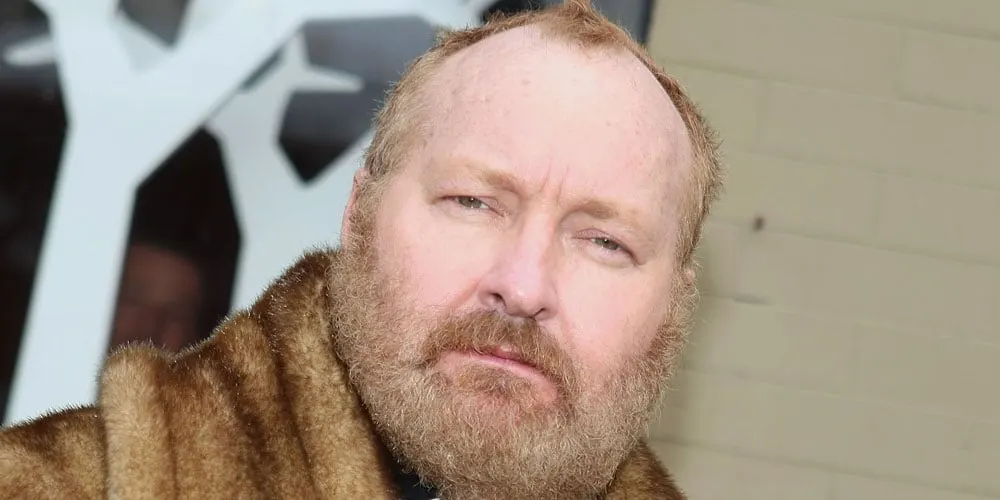
Randy Quaid Slams Anne Hathaway Casting in Days of Thunder Sequel
Randy Quaid, who appeared in the original 1990 film, took to X to demand Nicole Kidman's return and dismiss the Hathaway announcement.

Eva Mendes' 'de Gosling' Tattoo Is the Only One She's Ever Wanted
Eva Mendes is showing off her wrist tattoo again — a small but meaningful piece of ink that carries a deep cultural significance.
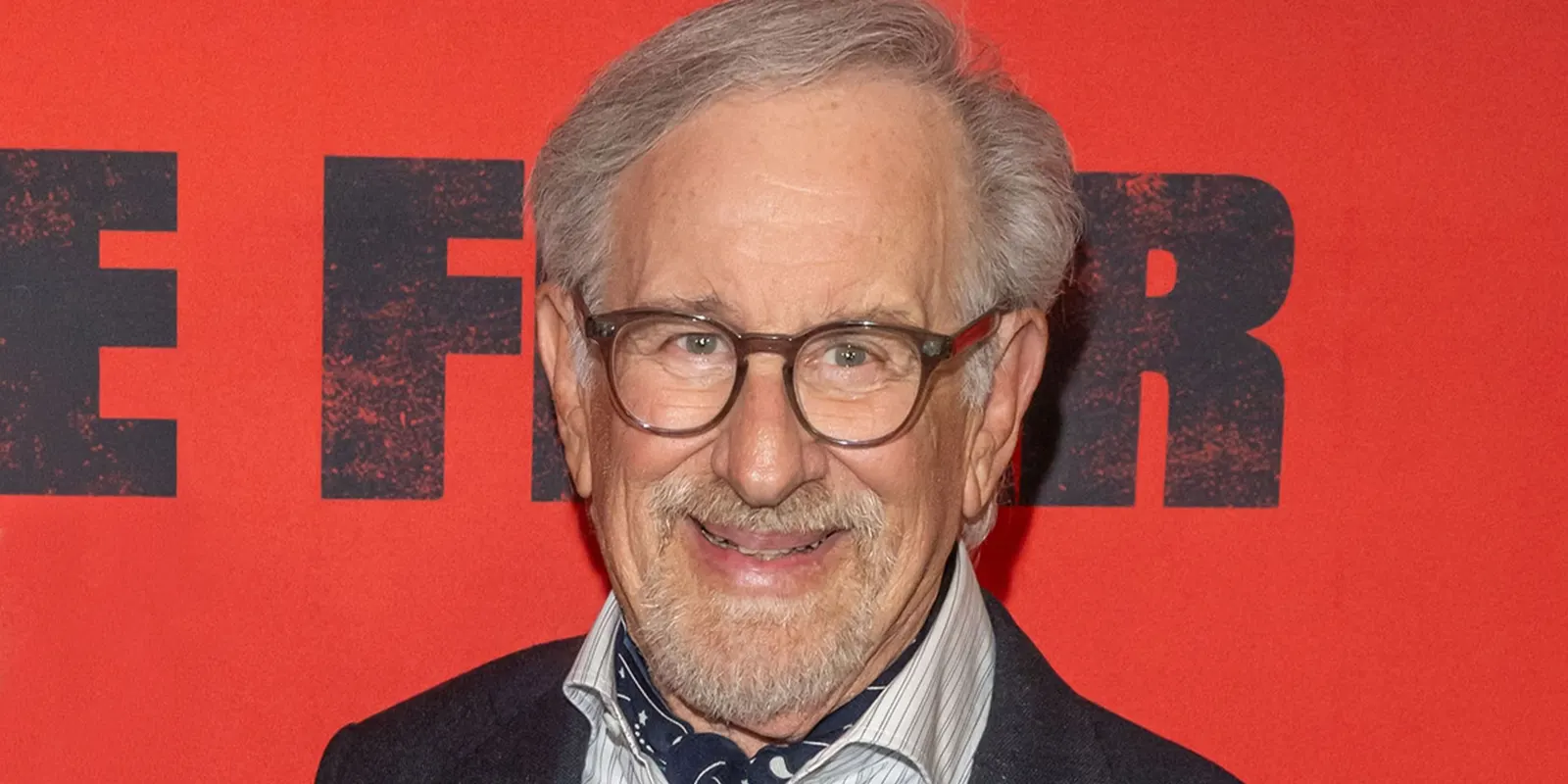
Steven Spielberg's 'War of the Worlds' Returns to Streaming Amid Debate
Steven Spielberg's 'War of the Worlds' is hitting HBO Max next month, reigniting discussions on its mixed reception.