Why Good Time Remains Robert Pattinson's Most Defining Performance

Nearly a decade on, the Safdie Brothers' 2017 crime thriller still stands as the clearest proof of Robert Pattinson's remarkable depth as an actor.
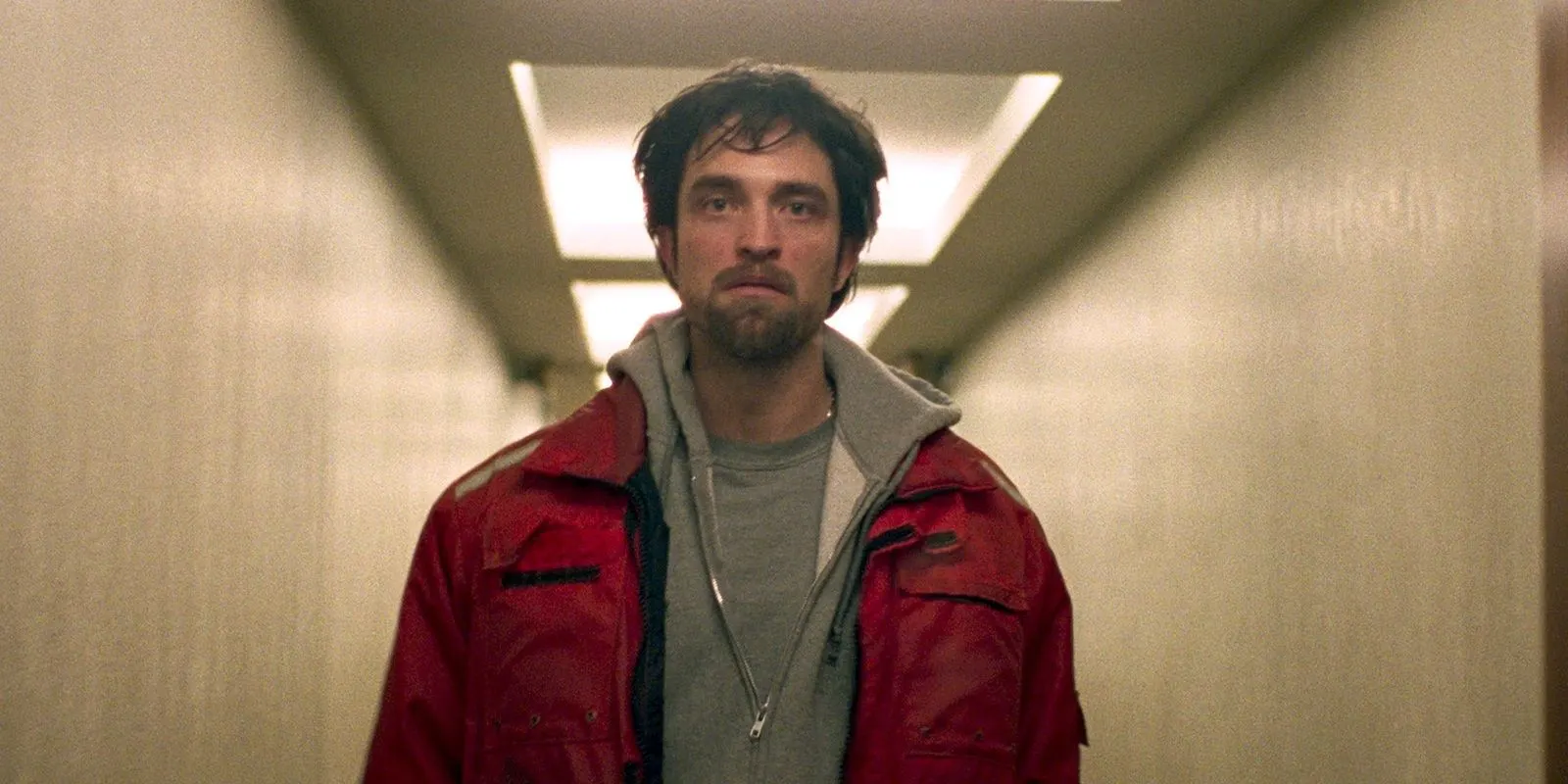
Robert Pattinson's ascent from franchise heartthrob to one of cinema's most compelling performers has been well documented, but according to Collider, the single performance that best encapsulates what he is capable of is still the one he delivered in a grimy, sweat-soaked New York City back in 2017. With James Bond now on his horizon and a string of major prestige films already behind him, revisiting Good Time feels less like nostalgia and more like returning to a masterclass.
A Film Built on Controlled Chaos
Directed by Josh and Benny Safdie, Good Time operates on a frequency closer to anxiety than entertainment in the conventional sense. Its premise is deceptively simple: small-time criminal Connie Nikas attempts to rob a bank alongside his intellectually disabled brother Nick, the heist unravels almost immediately, and what follows is a desperate, nocturnal odyssey through the city's criminal margins as Connie scrambles to raise bail money by any means necessary. The Safdies, who would later refine this pressure-cooker approach in Uncut Gems, construct the film as something resembling a 100-minute panic attack — the camera pressed uncomfortably close, the editing rarely pausing long enough for the audience to settle, and Daniel Lopatin's pulsing electronic score threading the tension tighter with every scene. It is filmmaking that refuses to let the viewer disengage, a quality that remains as potent today as it was at the film's premiere.
Pattinson's Career-Defining Contradiction
What separates Good Time from other tightly wound thrillers of its era is Pattinson's performance, which is built entirely around a fascinating internal contradiction. Connie Nikas is not a sympathetic protagonist in any traditional sense — he is manipulative, impulsive, and willing to exploit virtually everyone he encounters. Yet there is an undeniable, almost tragic sincerity in his love for his brother, and it is this tension between genuine affection and moral recklessness that Pattinson navigates with striking precision. He never sentimentalizes the character or reaches for easy redemption beats; instead, he leans into Connie's flawed, frantic energy, allowing the performance to exist in an uncomfortable and entirely credible middle ground.
At the time, Pattinson was still carrying the weight of the Twilight association in the minds of general audiences. Good Time dismantled that perception decisively. With bleached hair, a gaunt physicality, and the restless energy of someone perpetually outrunning their own worst decisions, he disappeared into Connie entirely. The transformation was striking enough to reframe how the industry and the public understood his range — a recalibration that made everything that followed possible.
The Benchmark Everything Else Is Measured Against
In the years since Good Time, Pattinson has accumulated a genuinely impressive body of work. He appeared in Christopher Nolan's Tenet and is set to feature prominently in The Odyssey — a project that has drawn considerable attention, not least for the parallels some have drawn between his role there and his earlier franchise work. He earned wide critical recognition for Mickey 17 and has built a productive relationship with some of the most intellectually ambitious filmmakers working today. And, of course, he is now Batman and the next James Bond, two of the most culturally loaded roles in popular cinema.
Yet for all the scale and prestige of those projects, Good Time retains a particular authority in his filmography. It is the film that proved he could carry a movie entirely on his own terms, without franchise scaffolding, without the safety net of a beloved IP, and without a character designed to invite audience sympathy. Connie Nikas is difficult, contradictory, and ultimately tragic — and Pattinson makes every one of those qualities feel earned. That is a rarer achievement than it might appear.
Nearly a decade after its release, Good Time stands not merely as a strong entry in Pattinson's career but as the clearest statement of what kind of actor he is — one capable of inhabiting deeply flawed humanity with intelligence, physicality, and an unsettling sense of conviction.
Related on Ni4o: Robert Pattinson's Best Twilight Film Exits HBO Max This July
 ProfileRobert PattinsonActor
Related
Randy Quaid Slams Anne Hathaway Casting in Days of Thunder Sequel
Randy Quaid, who appeared in the original 1990 film, took to X to demand Nicole Kidman's return and dismiss the Hathaway announcement.

Eva Mendes' 'de Gosling' Tattoo Is the Only One She's Ever Wanted
Eva Mendes is showing off her wrist tattoo again — a small but meaningful piece of ink that carries a deep cultural significance.
Steven Spielberg's 'War of the Worlds' Returns to Streaming Amid Debate
Steven Spielberg's 'War of the Worlds' is hitting HBO Max next month, reigniting discussions on its mixed reception.