Why Furiosa Remains Anya Taylor-Joy's Most Defining Performance

Two years on, George Miller's epic prequel stands as the clearest proof of Anya Taylor-Joy's extraordinary range and screen discipline.
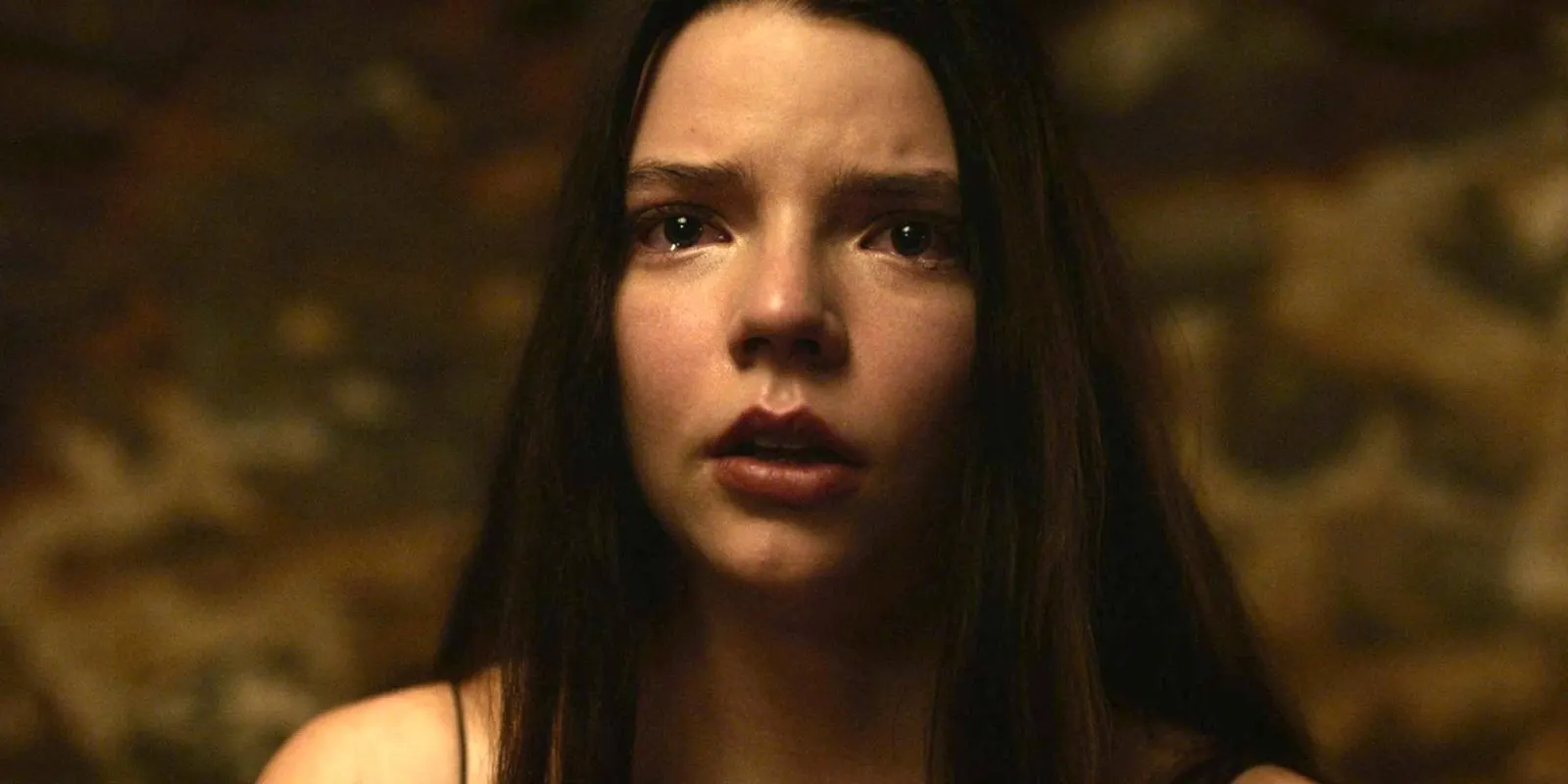
Two years after its release, Furiosa: A Mad Max Saga has only grown in stature — and so has appreciation for the performance at its center. George Miller's 2024 prequel gave Anya Taylor-Joy what may be the most demanding role of her career, and she met it with a craft that continues to reward close attention.
A Prequel That Earns Its Place in the Canon
Miller's Mad Max franchise has always operated as a kind of moving laboratory for action cinema, and Furiosa represents its most ambitious experiment yet. Where Mad Max: Fury Road (2015) was essentially a single, sustained kinetic argument — a chase film so perfectly engineered it redefined the genre's possibilities — Furiosa deliberately slows down and excavates. Structured in chapters, the film traces its title character from childhood, initially portrayed by Alyla Browne, through her hardening years in a post-apocalyptic wasteland ruled by competing warlords: the flamboyant, menacing Dementus (Chris Hemsworth) and the entrenched tyrant Immortan Joe (Lachy Hulme). It is, at its core, an epic revenge tragedy in the tradition of classical storytelling — a portrait of endurance, grief, and the slow, deliberate forging of will.
According to Collider, the film is notably the first entry in the five-film franchise not to place Max Rockatansky at the center of events, with the character appearing only in a brief cameo. Many viewers of Fury Road had long argued that Charlize Theron's Furiosa was that film's true protagonist, and Miller's prequel essentially validates that reading by building an entire mythology around her.
The Art of Saying Almost Nothing
What makes Taylor-Joy's performance so remarkable — and so analytically interesting — is the constraint under which it was delivered. The character has approximately 30 lines of dialogue across the entire film, a figure that would terrify many leading actors accustomed to language as their primary instrument. Miller, by all accounts, had precise ideas about how Taylor-Joy should hold her face, restricting her expressive toolkit to the eyes for significant stretches of the runtime.
In an interview with GQ, Taylor-Joy described the experience with candor: being an actor whose craft depends on marshaling every available physical resource, only to have nearly all of those resources removed, was, in her words, "quite petrifying." The honesty of that admission makes the finished result all the more impressive. She transforms the limitation into a formal strategy, communicating Furiosa's inner life — her rage, her patience, her carefully rationed hope — through expression and movement alone. It is the kind of performance that film scholars tend to invoke when discussing the distinction between acting and presence.
This discipline is not entirely new territory for Taylor-Joy. Those who have followed her career since her breakout in The Witch will recognize an actress consistently drawn to roles that demand she operate beneath the surface. Her early work alongside James McAvoy in Split demonstrated a similar capacity for internalizing pressure and communicating it without overstatement.
A Career Landmark in a Filmography Full of Them
Taylor-Joy's body of work is genuinely varied — she has moved between prestige television, horror, period drama, and blockbuster action with unusual fluency. With upcoming projects including a role in The Lord of the Rings: The Hunt for Gollum and her recent television work earning strong early audience response, as seen with Lucky debuting at number one on Apple TV+ within a single day of release, the trajectory of her career remains genuinely exciting to follow.
Yet Furiosa occupies a particular position in that filmography. It is the film where every technical and emotional limitation became a creative opportunity, where carrying a large-scale action epic on a performance built almost entirely from silence required the kind of discipline that separates good actors from genuinely great ones. George Miller gave her an extraordinary canvas, and she filled it without a wasted gesture. Two years later, that achievement looks more significant, not less.
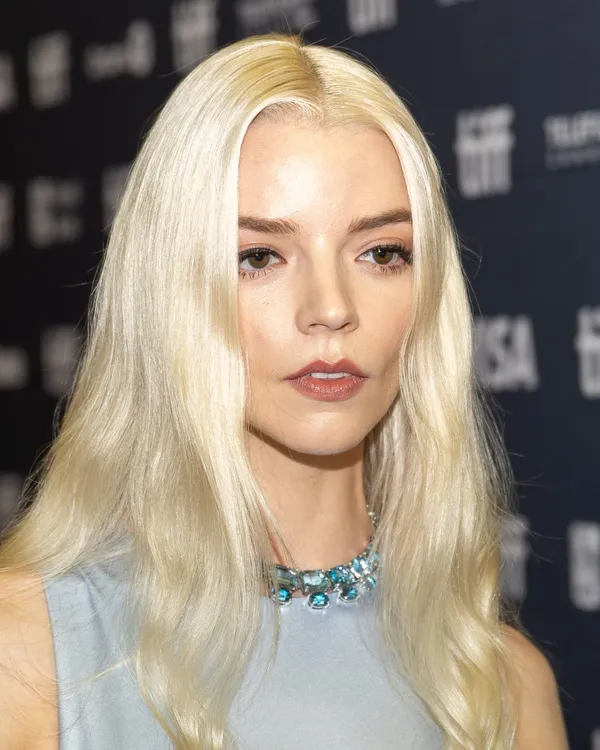 ProfileAnya Taylor-JoyAmerican-born actress
Related
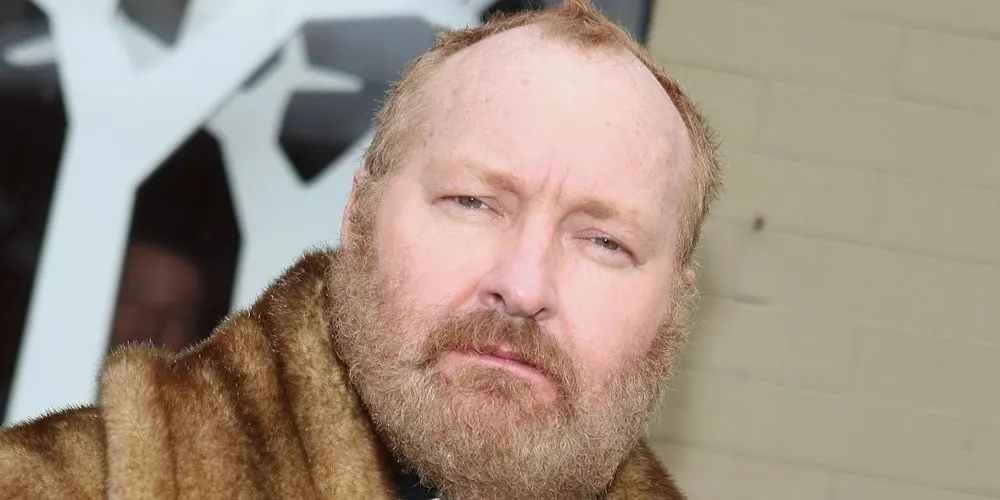
Randy Quaid Slams Anne Hathaway Casting in Days of Thunder Sequel
Randy Quaid, who appeared in the original 1990 film, took to X to demand Nicole Kidman's return and dismiss the Hathaway announcement.
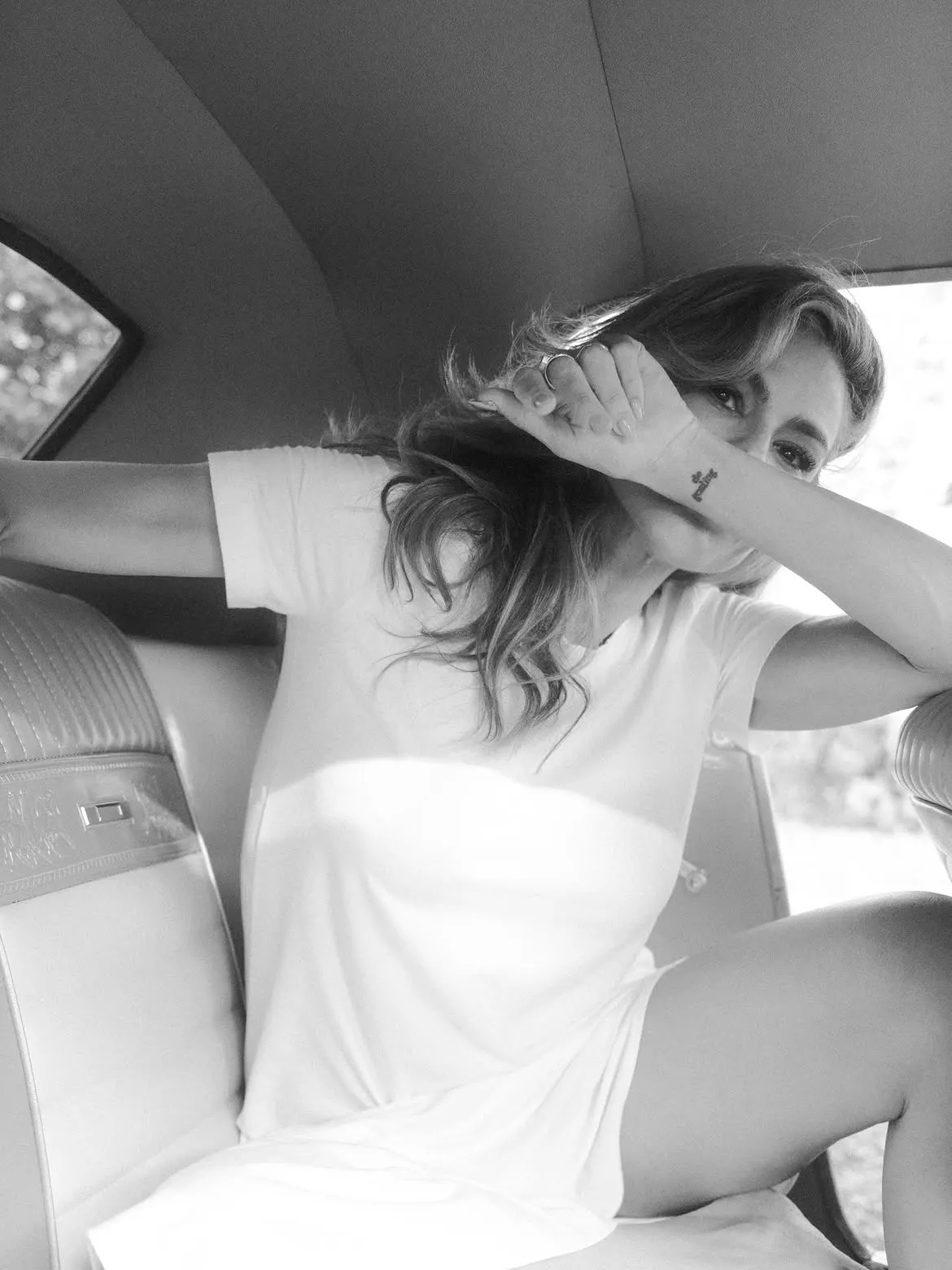
Eva Mendes' 'de Gosling' Tattoo Is the Only One She's Ever Wanted
Eva Mendes is showing off her wrist tattoo again — a small but meaningful piece of ink that carries a deep cultural significance.
Steven Spielberg's 'War of the Worlds' Returns to Streaming Amid Debate
Steven Spielberg's 'War of the Worlds' is hitting HBO Max next month, reigniting discussions on its mixed reception.