Why Baby Driver Remains One of Cinema's Great Action Films, Nine Years On

Edgar Wright's music-driven thriller gave Jon Hamm one of his most compelling roles — and the film itself hasn't lost a step since its 2017 release.

Nine years after its release, Baby Driver continues to hold a rare distinction in contemporary action cinema: it is a genre film that operates comfortably above the genre. Edgar Wright's 2017 thriller remains a masterclass in kinetic filmmaking, and Jon Hamm's performance within it is a significant reason the movie still rewards repeat viewings, according to Collider.
A Director's Vision That Redefined the Action Formula
Wright has long occupied a singular space in modern filmmaking — his Cornetto trilogy demonstrated an almost obsessive attention to editing rhythm and visual comedy — but Baby Driver represented something of a graduation. Where action cinema typically traffics in scale and spectacle, Wright built his film around precision and musicality. Nearly every cut, every tire screech, every gunshot is choreographed to the film's meticulously assembled soundtrack, creating a viewing experience that feels closer to a staged musical than a conventional thriller. The cinematography reinforces this: sweeping, fluid camera movements that give chase sequences a balletic quality rarely attempted in the genre. The result is a film that feels genuinely authored rather than assembled.
The Music Is the Architecture
At the center of Baby Driver is its protagonist, the young getaway driver known as Baby (Ansel Elgort), whose reliance on music is both a psychological coping mechanism and a narrative engine. Baby's formative losses drove him toward music as a refuge, and that relationship extends outward — to his foster father Joseph (CJ Jones) and to Debora (Lily James), the waitress with whom he envisions a quieter life far from the criminal world that traps him. The film understands that music, for Baby, is not background noise but structural necessity, and Wright honors that by making it structural necessity for the audience as well. There is virtually no scene untouched by the soundtrack, which transforms what might otherwise read as stylistic indulgence into thematic coherence.
Jon Hamm Turns a Supporting Role Into Something Unforgettable
The ensemble assembled around Baby — including Kevin Spacey's calculating crime boss Doc and Jamie Foxx's volatile Bats — is uniformly strong, but it is [Jon Hamm]((/article/jon-hamm-steps-into-a-1970s-crisis-in-mgm-s-american-hostage) who provides the film's most surprising performance arc. Hamm plays Buddy, introduced as a relatively charming, even genial figure within the criminal operation. That affability, familiar from Hamm's long tenure as Don Draper on Mad Men, proves to be precisely the trap Wright and the screenplay set for the audience. As the operation deteriorates and personal tragedy compounds the chaos, Buddy's surface erodes entirely, revealing a capacity for violence that recontextualizes everything that came before. It is a genuinely unsettling transformation — the kind of performance that reminds you an actor's well-established screen persona can be weaponized as misdirection. For a performer known for his controlled magnetism — whether dissecting music trivia with castmates or [anchoring prestige television]((/article/jon-hamm-and-john-slattery-showcase-music-trivia-skills-in-fun-challenge) — the ferocity Hamm brings to Buddy's unraveling is a notable expansion of his range.
The Durability of a Film That Earned Its Legacy
What separates films that age well from those that merely date well is usually a question of substance beneath the style. Baby Driver has both. Its heist mechanics are taut, its emotional stakes are earned rather than assumed, and its climax — driven by Buddy's accelerating menace — carries genuine dramatic weight. The fragility of the criminal ensemble, held together by convenience and mutual self-interest rather than loyalty, collapses in ways that feel inevitable in retrospect. That structural honesty is part of what makes the film so satisfying to revisit.
In a landscape where action filmmaking often defaults to franchise obligations and digital spectacle, Baby Driver endures as an argument for authorial vision. Nine years on, it remains one of the more complete and distinctive films the genre has produced in the past two decades — and a reminder that Jon Hamm, given the right material, is capable of far more than the composed authority that made him famous.
Related on Ni4o: Jon Hamm and John Slattery Showcase Music Trivia Skills in Fun Challenge · Jon Hamm Steps Into a 1970s Crisis in MGM+'s 'American Hostage' · Jon Hamm, Once Self-Declared 'Terrible Father,' Expects First Child at 55
 ProfileJon HammActor
Related

Randy Quaid Slams Anne Hathaway Casting in Days of Thunder Sequel
Randy Quaid, who appeared in the original 1990 film, took to X to demand Nicole Kidman's return and dismiss the Hathaway announcement.

Eva Mendes' 'de Gosling' Tattoo Is the Only One She's Ever Wanted
Eva Mendes is showing off her wrist tattoo again — a small but meaningful piece of ink that carries a deep cultural significance.
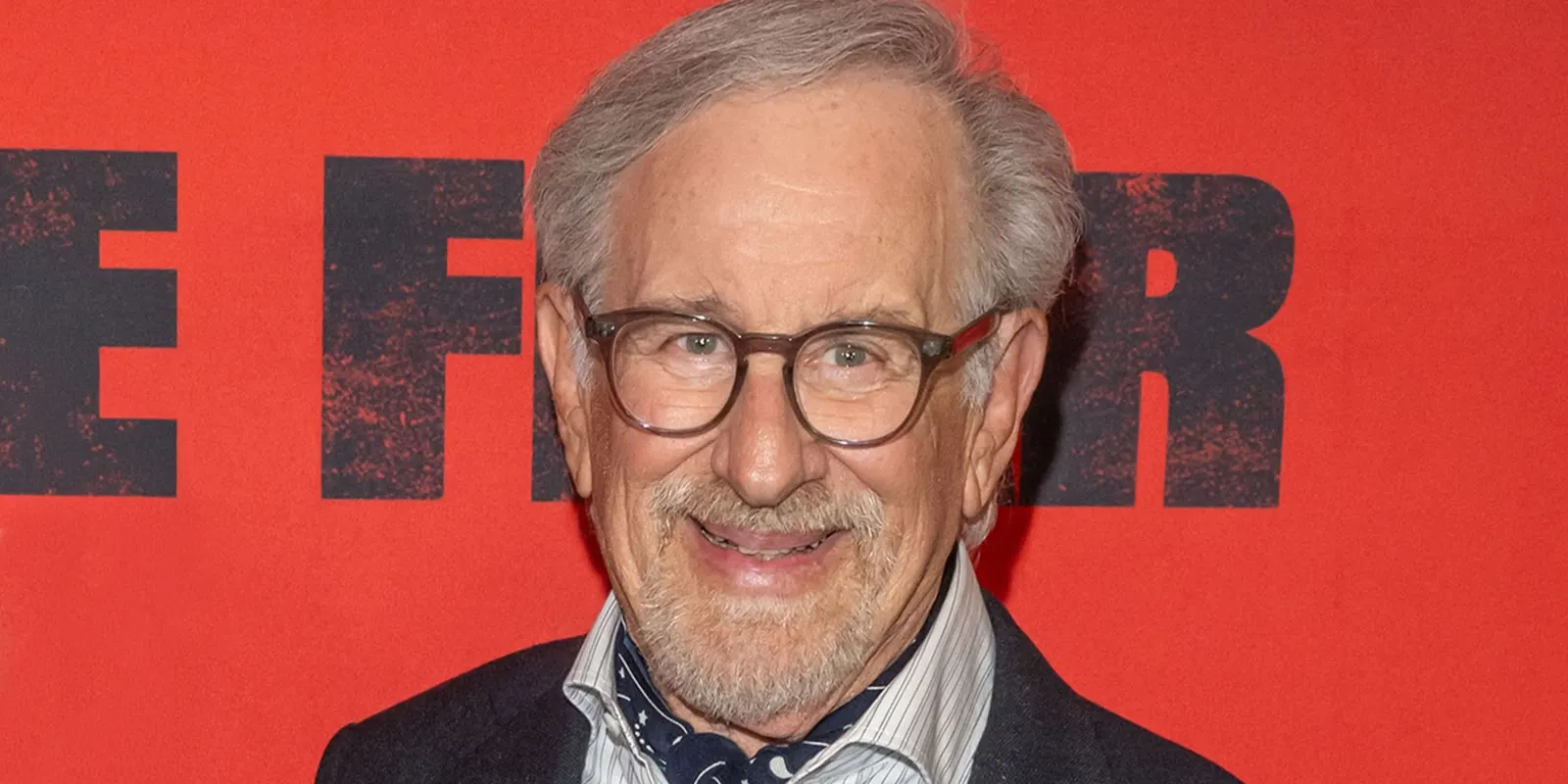
Steven Spielberg's 'War of the Worlds' Returns to Streaming Amid Debate
Steven Spielberg's 'War of the Worlds' is hitting HBO Max next month, reigniting discussions on its mixed reception.