Viola Davis Rejects Target's Apology Over Minstrel-Linked Halloween Costume

The Oscar-winning actress delivered a pointed rebuke to the retailer after it pulled a children's costume many compared to 19th-century minstrelsy.
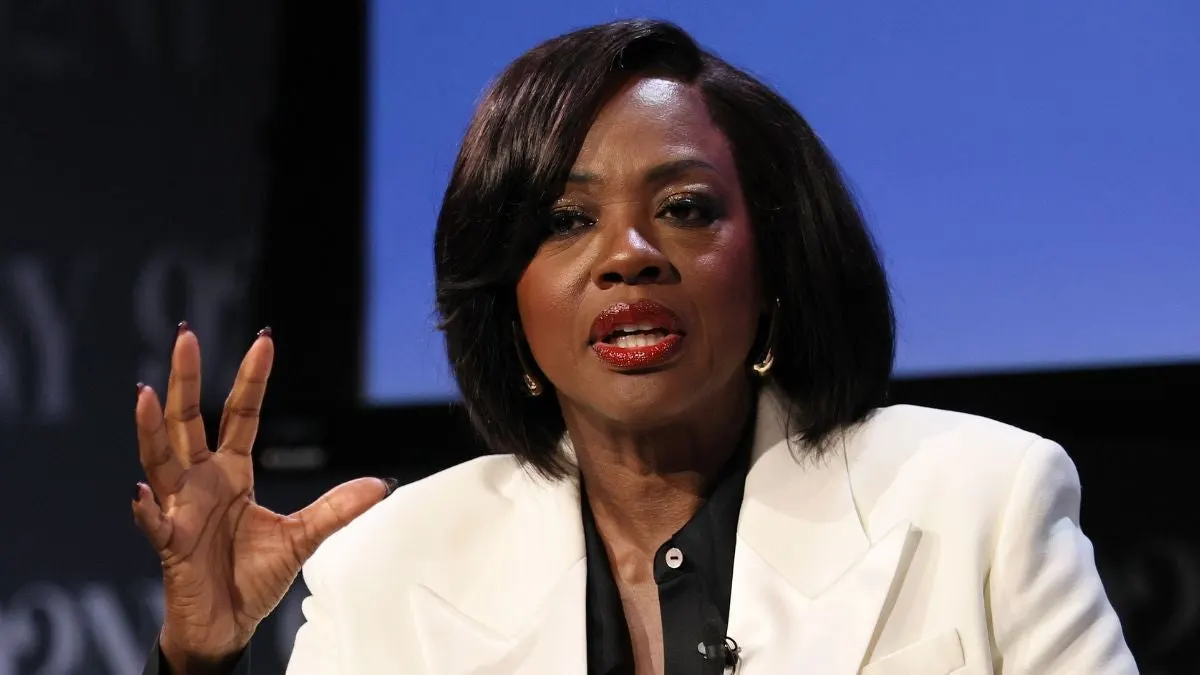
Viola Davis, one of the most decorated performers of her generation and a consistent voice on questions of representation and dignity in American culture, has publicly refused to accept an apology from Target following the retailer's decision to pull a children's Halloween costume widely condemned as evoking the racist imagery of 19th-century minstrelsy. Her response, measured but unsparing, underscores the degree to which corporate contrition — without structural accountability — increasingly rings hollow to the communities most affected.
The Costume and the Criticism
The item in question was marketed on Target's website as a "Kids' Glows under Blacklight Circus Clown" costume — a black-and-orange bodysuit paired with a hooded mask featuring a large printed smile and a small top hat. On the surface, the description appeared innocuous, but viewers quickly identified the visual vocabulary at play: the exaggerated grin, the darkened features, the theatrical grotesquerie. For many, the design bore an unmistakable resemblance to the minstrel aesthetic that dominated American popular entertainment in the 1800s and early 1900s, a tradition built on the dehumanization and mockery of Black people through caricature. Once the comparisons began circulating online, the backlash was swift and unrelenting.
Target's Apology and Its Limitations
According to TheWrap, Target moved to remove the costume from its platform and issued a public statement on X acknowledging that it had "got this wrong" and expressing that the situation was "especially hurtful" for its Black customers, employees, and partners. The company pledged to examine how the product cleared its internal review processes in the first place. The apology was viewed more than 92 million times within days, drawing both expressions of support and waves of criticism — particularly from users who pointed to Target's recent rollback of its diversity, equity, and inclusion programs as context the retailer could not so easily set aside. "Wouldn't have happened if as a company, you respected DEI," one commenter wrote, capturing a sentiment shared widely across the platform.
Davis Speaks Directly to Power
The actress whose career has been defined in large part by her willingness to inhabit pain and history with uncompromising honesty — from her Academy Award-winning turn in Fences to her devastating performance in Ma Rainey's Black Bottom, to her commanding lead role in The Woman King — was not willing to let a corporate statement stand as sufficient reckoning. In an Instagram post, Davis wrote that she does not believe Target "understands the impact… the pain… the dehumanization" represented by imagery rooted in minstrelsy. She connected the historical iconography directly to ongoing harm, writing that "these images laid the foundation and the ideology for every atrocity that has been committed against my people." She closed with a declaration that carried the weight of both personal experience and broader communal grief: "We MATTER!! You have shown us that you are not on OUR side."
It is worth noting that Davis made these remarks not in a prepared press statement, but on social media — a platform increasingly functioning as the primary arena where cultural accountability is negotiated in real time. In that sense, her refusal to accept the apology is itself a kind of public record, one that demands more than removal of a product and promises of internal review.
A Broader Conversation About Corporate Responsibility
The episode fits into a pattern that audiences and critics have observed with growing frequency: corporations making public pledges toward inclusion, then quietly retreating from those commitments when the political climate shifts, only to find themselves wholly unprepared when something like this surfaces. The conversation around this particular incident inevitably intersects with larger debates about who controls cultural narratives — a question at the heart of much of Davis's most significant work. As Hollywood continues to wrestle with questions of authentic representation, it is performers and public figures like Davis who are often left holding institutions accountable when their stated values fail to translate into practice.
Target has not issued any additional public comment beyond its initial apology.
Related on Ni4o: Hugh Jackman's 'The Sheep Detectives' Becomes a Prime Video Hit · Priyanka Chopra "Shocked" by The Bluff Success, Updates Varanasi · Sandra Bullock Returns in First 'Practical Magic 2' Trailer
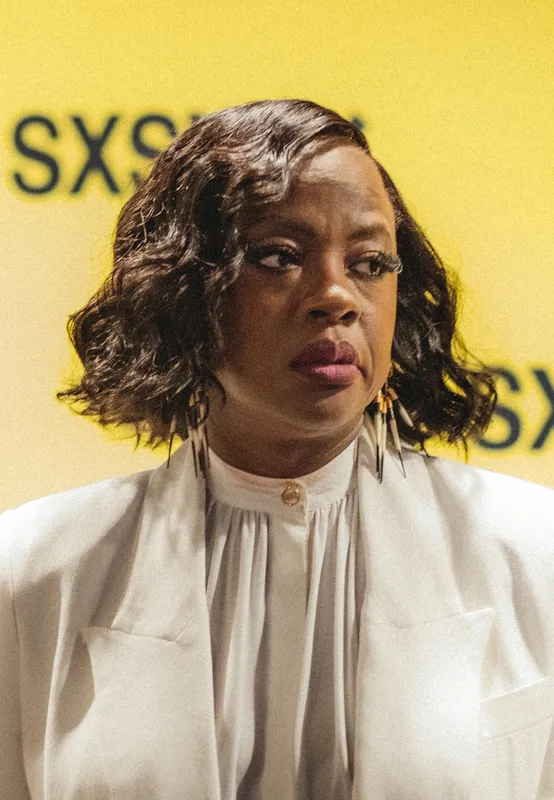 ProfileViola DavisActress & producer
Related
Randy Quaid Slams Anne Hathaway Casting in Days of Thunder Sequel
Randy Quaid, who appeared in the original 1990 film, took to X to demand Nicole Kidman's return and dismiss the Hathaway announcement.

Eva Mendes' 'de Gosling' Tattoo Is the Only One She's Ever Wanted
Eva Mendes is showing off her wrist tattoo again — a small but meaningful piece of ink that carries a deep cultural significance.
Steven Spielberg's 'War of the Worlds' Returns to Streaming Amid Debate
Steven Spielberg's 'War of the Worlds' is hitting HBO Max next month, reigniting discussions on its mixed reception.