Travis Scott Sued Over 'What to Do?' Beat He Allegedly Never Paid For

An Israeli producer claims his beat was sampled without a deal on the Jackboys hit, generating hundreds of millions of streams — and zero payment to him.
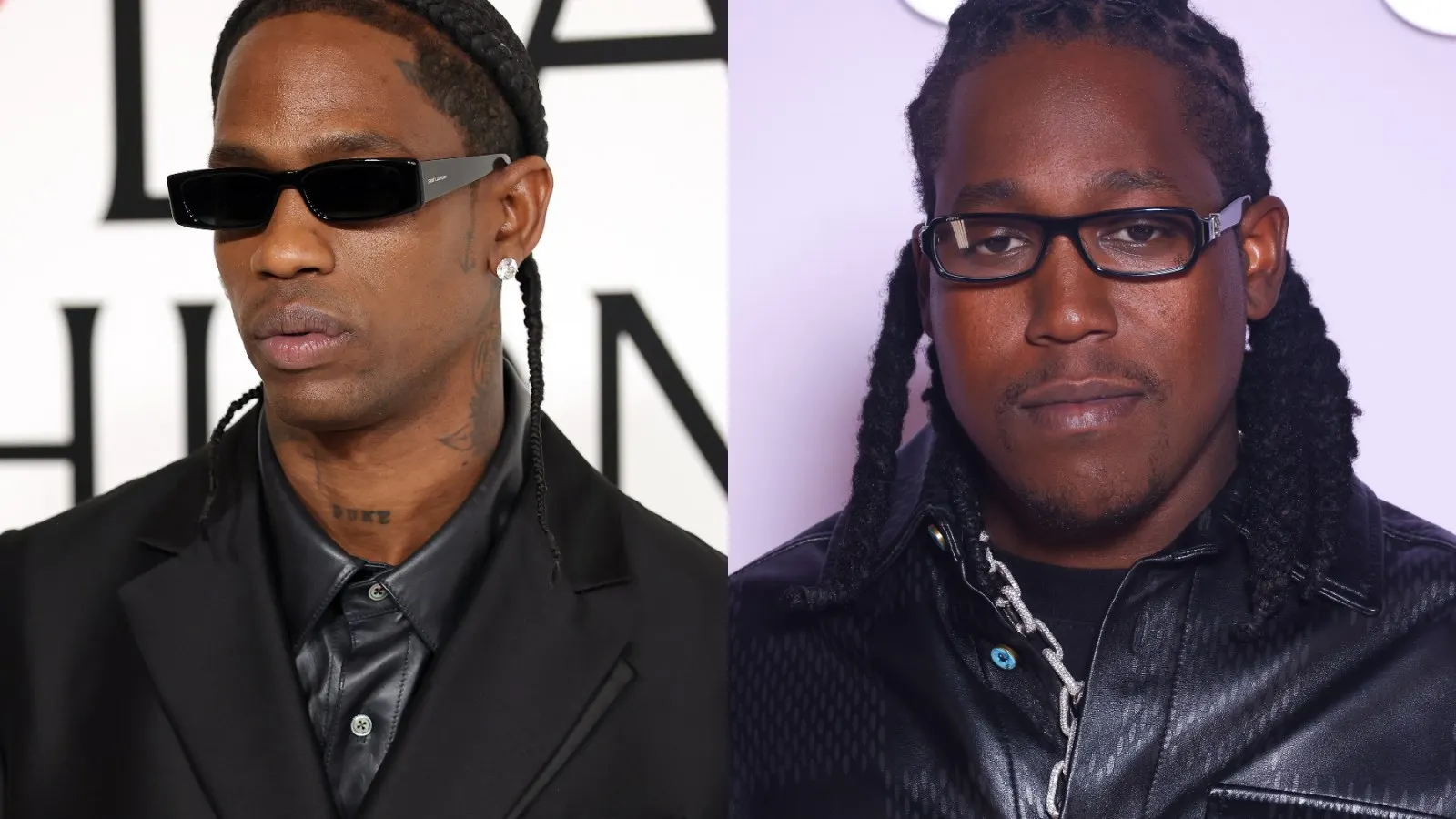
Seven years of silence, hundreds of millions of streams, and not a single dollar sent his way — that's the allegation at the center of a new copyright lawsuit targeting Travis Scott, Don Toliver, and Sony Music. The 52-page federal complaint lands hard, and it has the receipts to match.
The Beat That Started It All
Niv Kalisky, an Israeli music producer who records under the alias Early Yellow, claims the whole saga began when he shared an original instrumental he called "Moazin99bpm" with representatives connected to two producers working in Scott's orbit. The beat made its rounds through the right channels — or so Kalisky thought. Months after that initial share, one of those producers reportedly sent him back a version of the track with his beat baked in, seemingly requesting his sign-off. The implied promise of a licensing deal, however, never materialized into an actual agreement, and when the Jackboys dropped "What to Do?" in 2019, Kalisky says he was cut out entirely.
Hundreds of Millions of Streams, Zero Dollars
According to the lawsuit — first reported by Rolling Stone — "What to Do?" went on to rack up enormous streaming numbers while Kalisky watched from the sidelines without compensation. The complaint characterizes the defendants' conduct as "willful unauthorized usage and monetization" of his original work, a phrase that leaves little room for ambiguity about how seriously Kalisky's legal team is taking this. Seven years is a long time to watch a song built on your work generate revenue you never see.
This isn't the first time Scott has found himself tangled in legal proceedings. He's faced civil lawsuits before, and the pattern of controversy that tends to follow his career makes headlines like this feel, unfortunately, familiar territory.
Sony's Alleged Role in Keeping the Song Online
Perhaps the sharpest accusation in the filing isn't aimed at Scott or Toliver at all — it's directed squarely at Sony Music. Kalisky's legal team alleges the label ran what they describe as an "illegal monetization scheme," systematically filing counter-challenges to his copyright takedown notices. Those challenges, the complaint argues, were "wrongful and fraudulent" and effectively kept "What to Do?" streaming freely on major platforms while Kalisky's attempts to enforce his rights were blocked at every turn.
If the allegation holds up, it paints a picture far beyond a simple oversight — it suggests an active, deliberate effort to suppress a rights claim and keep the revenue flowing. Representatives for Scott, Toliver, and Sony Music had not responded to requests for comment at the time of publication.
Scott's Busy Creative Season Meets Legal Turbulence
The timing is notable. Scott has been making moves on the creative front — most recently delivering "When I'm Home" for Christopher Nolan's The Odyssey and even stepping behind the camera for the track's visual — but legal friction has a way of pulling focus. Whether this suit gains traction in court remains to be seen, but Kalisky's complaint is detailed, specific, and clearly built for a fight.
For a producer who shared a beat in good faith and received nothing in return, the message of the lawsuit is straightforward: the music industry's informal systems of trust don't hold up without contracts, and streaming era profits are too enormous to leave paper trails unexamined.
 ProfileTravis ScottRapper, singer & producer
Related

Olivia Rodrigo's Daisy Chain Fields Festival: A Celebration of Music and Purpose
The Daisy Chain Fields Festival, headlined by Olivia Rodrigo, united fans and nonprofits in a joyous celebration of women and music.

Miley Cyrus Hints at New Era With Cryptic Red-and-Black Teaser
Exactly one year after 'Something Beautiful,' Miley Cyrus is flooding the internet with mysterious red-and-black imagery — and a new label to back it up.

How a Nashville Laundromat Sparked Dolly Parton's Six-Decade Love Story
Dolly Parton and Carl Dean built one of music's most enduring marriages on a simple formula: distance, devotion, and deep difference.