Tom Cruise's 'Mission: Impossible' and the Evolution of Action Cinema

Examining Tom Cruise's legacy in 'Mission: Impossible' and its lasting impact on the action genre over three decades.

In the landscape of cinematic history, few images have become as iconic as Tom Cruise hanging by his fingertips from a ceiling in the original Mission: Impossible. Released thirty years ago, this pulse-pounding thriller not only launched a massive franchise but also redefined Cruise's career trajectory and the action genre itself. As the first three films in the franchise recently became available for streaming on Tubi, it's the perfect moment to delve into the legacy of Mission: Impossible and the evolution of its central character, Ethan Hunt.
Tom Cruise: The Jerk Era to Hero
To understand the significance of Mission: Impossible, it's essential to contextualize where Tom Cruise was in his career at the time. During the late 1980s and early 1990s, Cruise had cultivated a persona often characterized by the 'jerk': characters that exuded extreme confidence and bravado but struggled with personal flaws. From Top Gun’s Maverick to Jerry Maguire’s morally reluctant sports agent, Cruise's roles often embraced this duality. As evident in Rain Man and A Few Good Men, it was a formula that emphasized the need for redemption and moral reconsideration by the film’s conclusion.
With the inception of Mission: Impossible in 1996, fans were introduced to a distinctly different side of Cruise’s portrayal through the character of Ethan Hunt. While Hunt carries traces of the cocky charm that defined Cruise’s earlier characters, the stakes are raised considerably. The film opens with Hunt as a member of the Impossible Mission Force (IMF), flanked by a star-studded cast including Jon Voight and Emilio Estevez. However, within the first thirty minutes, an unexpected narrative shift occurs, fundamentally altering the trajectory of both the character and the franchise.
A Masterclass in Suspense
Directed by Brian De Palma, the initial moments of Mission: Impossible create a tension-filled atmosphere where the viewers are key witnesses to betrayal and loss. The meticulous setup deftly positions Cruise’s Hunt as the scapegoat, leading to a twist that felt unprecedented at the time. De Palma’s deft handling of suspense showcases a blend of thrilling action and intricate storytelling, crafting a narrative that was far less about explosive stunts and more centered on espionage and character development.
The film's structure, particularly in its opening act, laid the groundwork for an enduring series that would gradually shift focus towards large-scale stunts and high-octane action, but it also redefined Ethan Hunt’s character. The film suggests that the inherent isolation of being a hero—a narrative arc that began with the shocking betrayal—would become a recurring theme throughout the series.
The Evolution of Ethan Hunt
Throughout the subsequent films, Hunt's character evolves from a cocky operative to a solitary, burdened hero grappling with the weight of his responsibilities. Each installment explores themes of loyalty, betrayal, and the necessity of sacrifice, amplifying the psychological complexity of his character. Rather than surrounding himself with supportive allies, Hunt's encounters often emphasize his isolation, intensifying the emotional stakes of his missions.
The narrative evolution not only reflects Cruise's journey through his personal tribulations—culminating in a turbulent divorce and public scrutiny—but also establishes a template for action heroes that blend vulnerability with exceptionalism. It illustrates a departure from the classic trope of the hero who triumphs alongside a team, opting instead for a juxtaposition of camaraderie and solitude that has become a hallmark of modern action cinema.
A Franchise Beyond the First Film
As Mission: Impossible grew into a prolific franchise, its core concept of a lone, dedicated operative persevering against overwhelming odds resonated with audiences, allowing Cruise's character to flourish beyond his origins. Each sequel builds upon the previous film's success, with Hunt facing increasingly complex challenges while retaining his intrinsic motivation for redemption. The franchise’s ability to adapt and reinvent itself is evidenced in recent entries, where the stakes remain personal, yet the action is more spectacular than ever.
In conclusion, Mission: Impossible serves as a pivotal moment in Cruise's career, paving the way for an enduring legacy in action filmmaking. The evolution of Ethan Hunt from self-assured jerk to solitary savior not only reflects a nuanced interpretation of heroism but also signifies the maturation of Tom Cruise as an actor committed to pushing the boundaries of the genre. As audiences can revisit this groundbreaking film, it is a timely opportunity to reflect on how Mission: Impossible has impacted the action landscape and how it continues to thrill and engage new generations.
For those eager to see more of Cruise’s evolving legacy, check out related news on his latest endeavors, including Digger and Days of Thunder 2.
Related on Ni4o: J.J. Abrams Says Tom Cruise Will 'Blow Our Minds' in 'Digger' · Tom Cruise and More: Top Movies Streaming on Paramount+ Now · Tom Cruise Surprises AMC Staff With Private IMAX Screening of The Odyssey
 ProfileTom CruiseActor & producer
Related

Randy Quaid Slams Anne Hathaway Casting in Days of Thunder Sequel
Randy Quaid, who appeared in the original 1990 film, took to X to demand Nicole Kidman's return and dismiss the Hathaway announcement.

Eva Mendes' 'de Gosling' Tattoo Is the Only One She's Ever Wanted
Eva Mendes is showing off her wrist tattoo again — a small but meaningful piece of ink that carries a deep cultural significance.
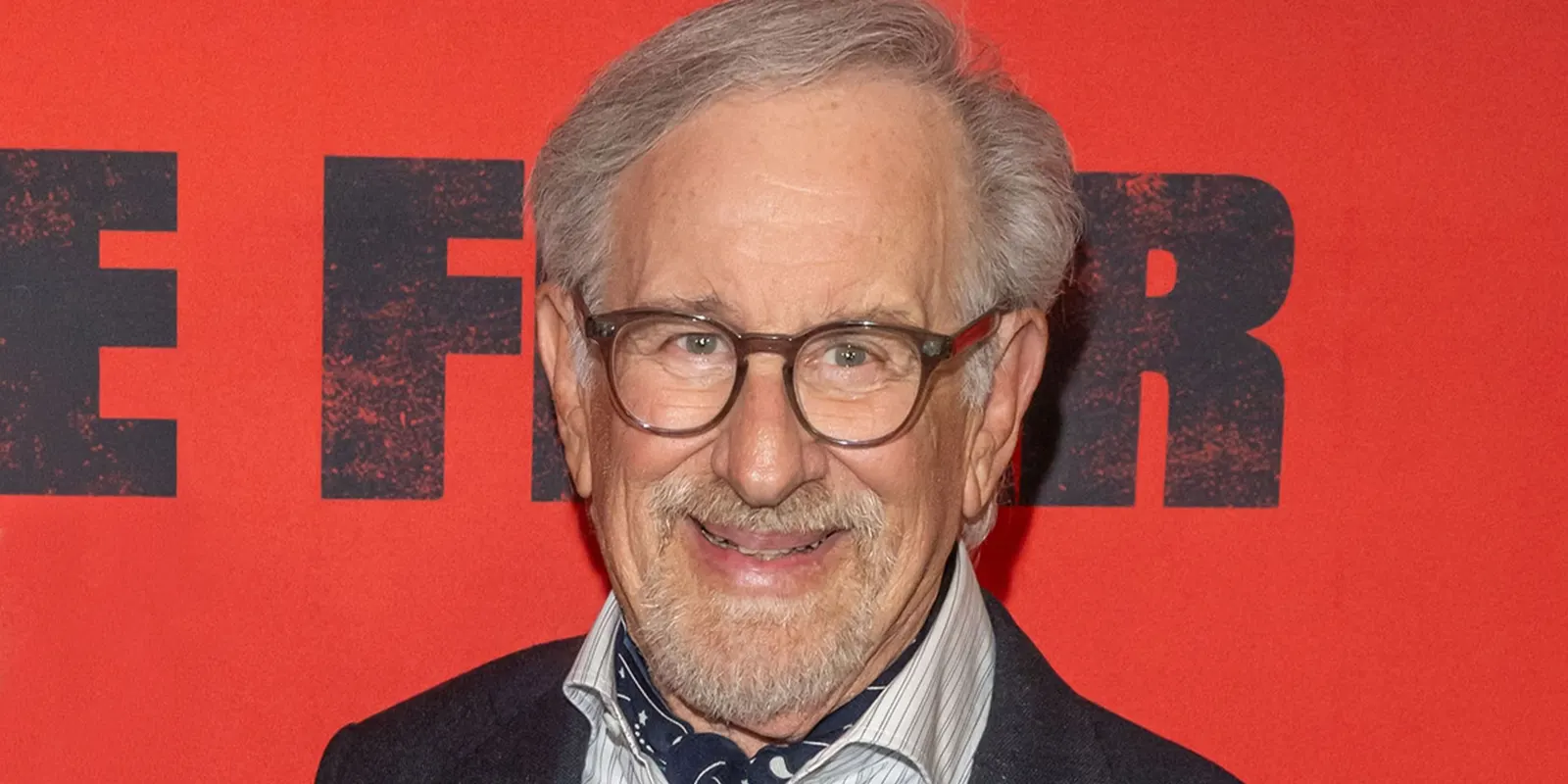
Steven Spielberg's 'War of the Worlds' Returns to Streaming Amid Debate
Steven Spielberg's 'War of the Worlds' is hitting HBO Max next month, reigniting discussions on its mixed reception.