Tom Cruise on AI in Film: 'There Is Nothing Like Human'

At a BAFTA event in London, Tom Cruise delivered a six-minute impromptu speech on artificial intelligence and the enduring power of human-made cinema.
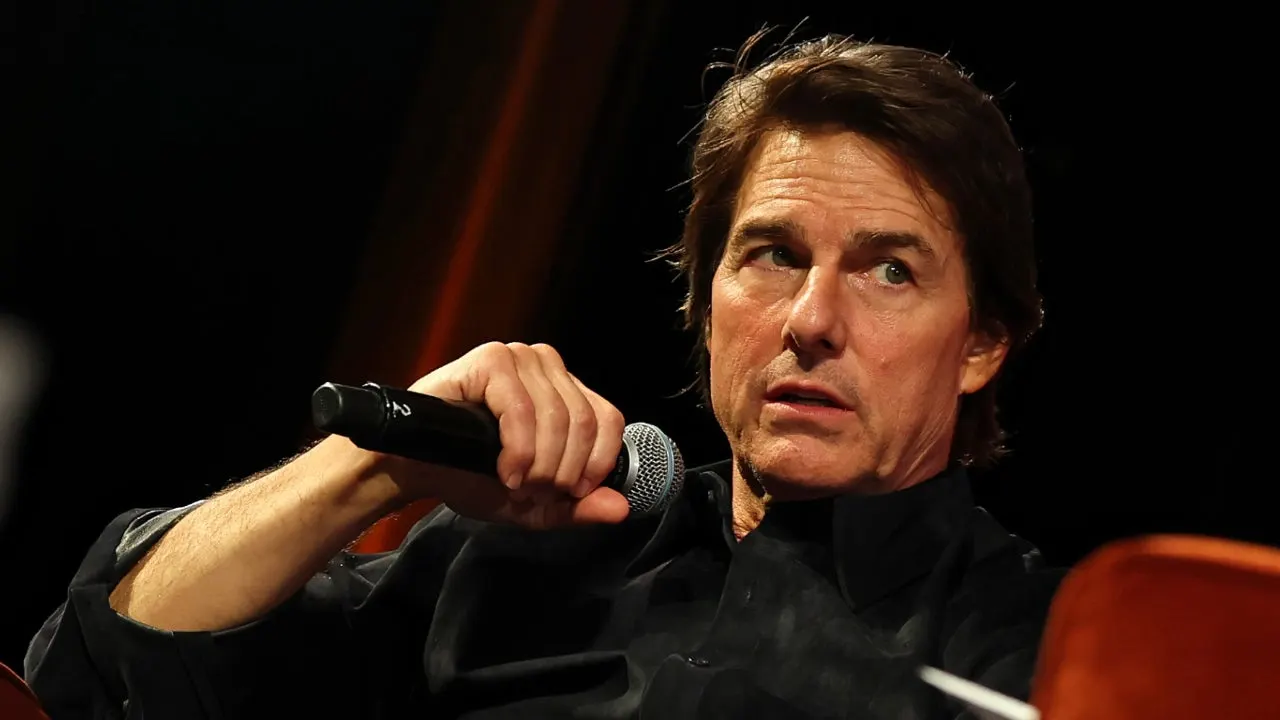
Few figures in contemporary Hollywood carry the weight of institutional authority that Tom Cruise does. Long dubbed the "ambassador of movies" and the "president of Hollywood," Cruise has spent decades putting his body — and his credibility — on the line in defense of the theatrical experience. Now, as artificial intelligence reshapes conversations across every creative industry, that ambassador has formally entered the debate.
A Spontaneous Manifesto at BAFTA
At a BAFTA "Life in Pictures" retrospective event held in London on Monday, Cruise sat down with moderator Edith Bowman to survey a filmography that spans four decades and to look ahead to his upcoming awards-circuit contender, "Digger". When Bowman pivoted the conversation toward AI and its growing role in moviemaking, Cruise responded with something closer to a prepared conviction than an off-the-cuff opinion — even if it arrived unrehearsed. The six-minute response drew applause from the room, according to TheWrap, and centered on a proposition that Cruise articulated with characteristic directness: "There is nothing like human."
He did not, however, retreat into denial about the technology's trajectory. Acknowledging the industrial realities facing the business, Cruise conceded that broader AI integration in filmmaking "is coming, and it's going to happen." What distinguished his remarks was the balance — a refusal to pretend the disruption isn't real, paired with an equally firm insistence that audiences retain an appetite for authenticity that no algorithm can fully replicate.
The Practical-Effects Argument, Made in Person
There is a certain biographical logic to Cruise becoming the most prominent voice making this case. His career has, in many respects, been a sustained argument against the digitization of cinematic experience. "Top Gun: Maverick," widely credited as one of the films that helped reinvigorate post-pandemic theatrical attendance, was celebrated precisely because its aerial sequences were achieved with real aircraft and real pilots enduring real g-forces. The "Mission: Impossible" franchise has operated on an escalating philosophy of physical commitment, with each installment raising the stakes on what Cruise will personally put himself through for the sake of an image that cannot be faked.
Ironically, the final two entries in that franchise placed a rogue artificial intelligence at the center of their narratives — framing AI not merely as a production tool but as an existential antagonist. The thematic overlap with Cruise's BAFTA remarks is difficult to miss.
"People want that experience. They're going to movie theaters," he told the audience. "I always believe in humanity." The sentiment echoes gestures Cruise has made elsewhere in his ongoing campaign for cinema as a communal, irreplaceable art form — including his surprise private IMAX screening for AMC staff, a moment that underscored his commitment to the theatrical ecosystem at every level.
Craft, Commerce, and the Question AI Can't Answer
What makes Cruise's position particularly interesting from a film-historical standpoint is that it echoes arguments made at nearly every major technological inflection point in cinema's past — from the arrival of sound to the transition to color, from the VHS era's threat to theatrical dominance to the current streaming calculus. In each case, skeptics predicted that audiences would abandon the cinematic ritual once a cheaper, more convenient alternative emerged. In each case, the ritual persisted — though rarely unchanged.
Cruise's "people want to see real things" argument is not technophobia; it is, at its core, a claim about spectatorship and human psychology. Audiences, he suggests, are sophisticated enough to sense the difference between a performance rooted in genuine physical and emotional risk and one assembled through generative processes. Whether that intuition holds as AI-generated content becomes more technically indistinguishable from human-made work remains cinema's most pressing open question.
For now, Cruise is pressing his case on multiple fronts — generating early buzz for "Digger" as awards season accelerates, and making himself available in ways that mark a notable shift in his historically guarded interview approach. The BAFTA speech may have been impromptu, but its message aligns seamlessly with the larger narrative Cruise has spent years constructing: that the human body in genuine peril, and the human spirit in genuine pursuit of craft, is something worth preserving — and worth buying a ticket to see.
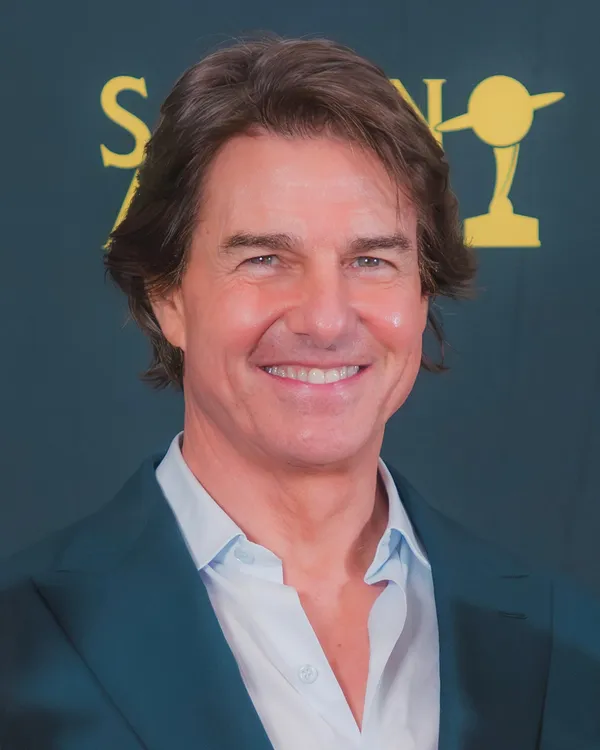 ProfileTom CruiseActor & producer
Related
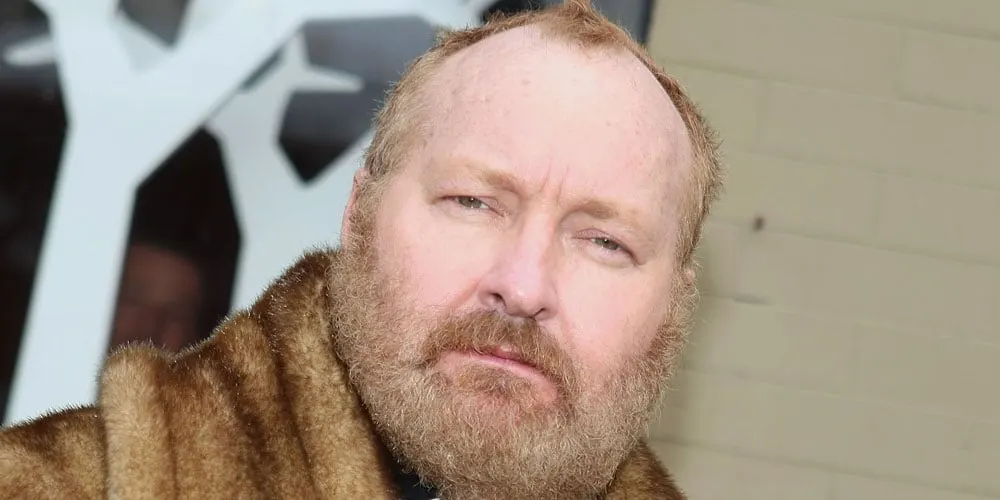
Randy Quaid Slams Anne Hathaway Casting in Days of Thunder Sequel
Randy Quaid, who appeared in the original 1990 film, took to X to demand Nicole Kidman's return and dismiss the Hathaway announcement.

Eva Mendes' 'de Gosling' Tattoo Is the Only One She's Ever Wanted
Eva Mendes is showing off her wrist tattoo again — a small but meaningful piece of ink that carries a deep cultural significance.
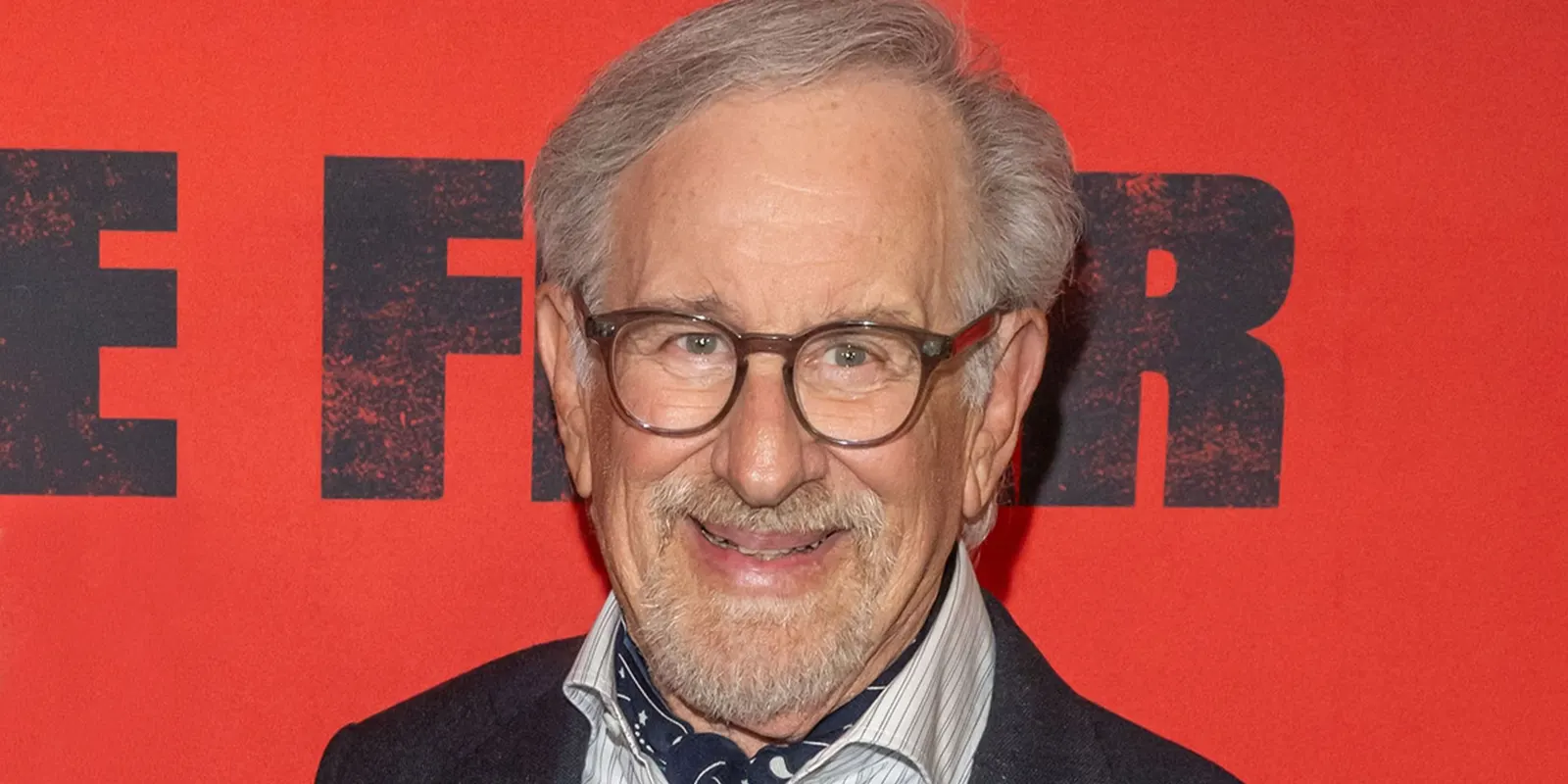
Steven Spielberg's 'War of the Worlds' Returns to Streaming Amid Debate
Steven Spielberg's 'War of the Worlds' is hitting HBO Max next month, reigniting discussions on its mixed reception.