The Surveillance Debate: Transparency or Invasion of Privacy?

Tech figures like Peter Diamandis echo Larry Ellison's views on surveillance, but is it really a step toward a better society?
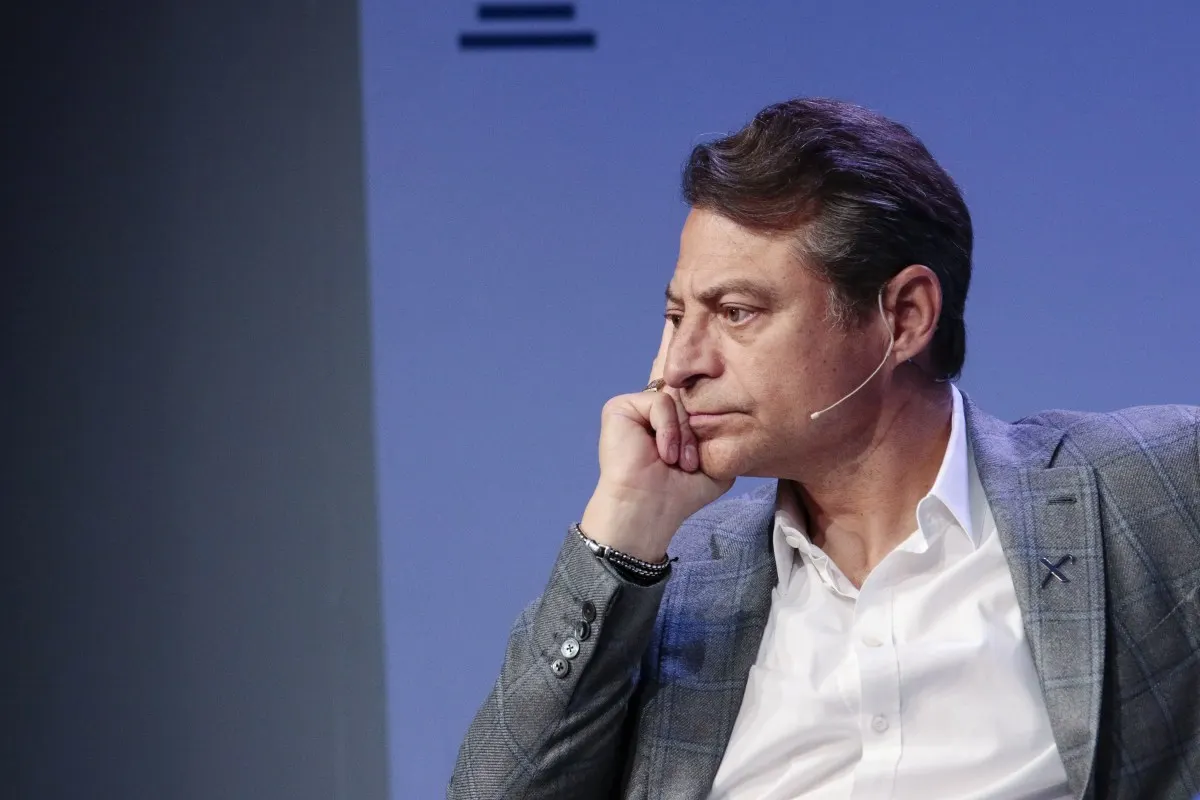
Peter Diamandis, founder of the Xprize Foundation, recently joined a chorus of tech leaders advocating for increased surveillance, echoing sentiments expressed by Oracle co-founder Larry Ellison a couple of years prior. This growing belief suggests that global monitoring may lead to a more accountable society, as both believe that individuals act more appropriately when under observation.
The Push for Radical Transparency
In a recent post on X, Diamandis characterized his vision of a future inundated with surveillance as one of 'radical transparency.' He articulated a world where monitoring systems are pervasive, connecting everything from home security cameras to satellites tracking every corner of the Earth. This idea, combining technology’s reach with societal oversight, raises significant questions about personal privacy.
Ellison predicted during an Oracle event in 2024 that continuous recording would likely encourage citizens to behave better. His take aligns seamlessly with that of Diamandis, who emphasizes that a multi-faceted sensor ecosystem could foster accountability everywhere.
Reality Check on Surveillance Culture
What these technology proponents overlook, however, is the public's ambivalence toward surveillance. While tech advancements make mass observation undeniably feasible, not everyone agrees it will translate to improved behavior or accountability. Some cities are pushing back against specific technologies, like Ring's security systems, exemplified by communities covering Flock cameras after revelations concerning misuse of data by law enforcement. This reality presents a stark contrast to the hopeful vision that leaders like Diamandis and Ellison espouse.
Diamandis cautions parents about raising their children in a world devoid of privacy, suggesting they teach integrity instead. He acknowledges the ethical complexities surrounding the enforcement of 'good' behavior, posing a critical question: would individuals be honest because they believe it’s right or simply due to being surveilled?
Transparency's Ethical Dilemma
Diamandis hints at a critical premise: while transparency can enhance trust, it risks being a one-sided affair when the systems overseeing it are controlled by a select few. The implications of this lack of balance are troubling. Who determines what constitutes honorable conduct, especially when biases—often unacknowledged—can heavily influence these definitions? The potential for ethical shortcomings in surveillance technologies remains a pressing concern.
In his advice, Diamandis directs entrepreneurs and executives toward simply being good people in a world with no privacy. Yet, this suggestion falls short of addressing the broader implications of surveillance and who truly benefits from such systems.
Conclusion: Striking the Right Balance
As surveillance technologies continue to permeate everyday life, the discourse around their impact will inevitably grow. For instance, conversations about AI implementation are gaining steam; evidence from Oracle's recent layoffs suggests a broader pivot toward automation under Ellison's guidance. Recent headlines hint at the rapid evolution of tech giants adapting to these shifts, from the AI boom marked by figures like Michael Dell to discussions on privacy initiatives by Meta.
As society stands at this crossroads, the essential question remains: can we cultivate a culture of accountability and integrity without sacrificing fundamental personal freedoms?
The dialogue initiated by leaders like Diamandis and Ellison is necessary, but it should also encourage critical engagement from society about the consequences of such ubiquitous scrutiny.
For more context on Ellison's ventures, check out our previous articles on Oracle's job cuts and Ellison's sizeable donations.
Related on Ni4o: Report: Ellison Gave $45M to Pro-Trump Group as Oracle Won Big · Oracle Cuts 21,000 Jobs as Ellison Leans Into AI · Nadella Bets on a 33-Year-Old Exec to Fix Copilot
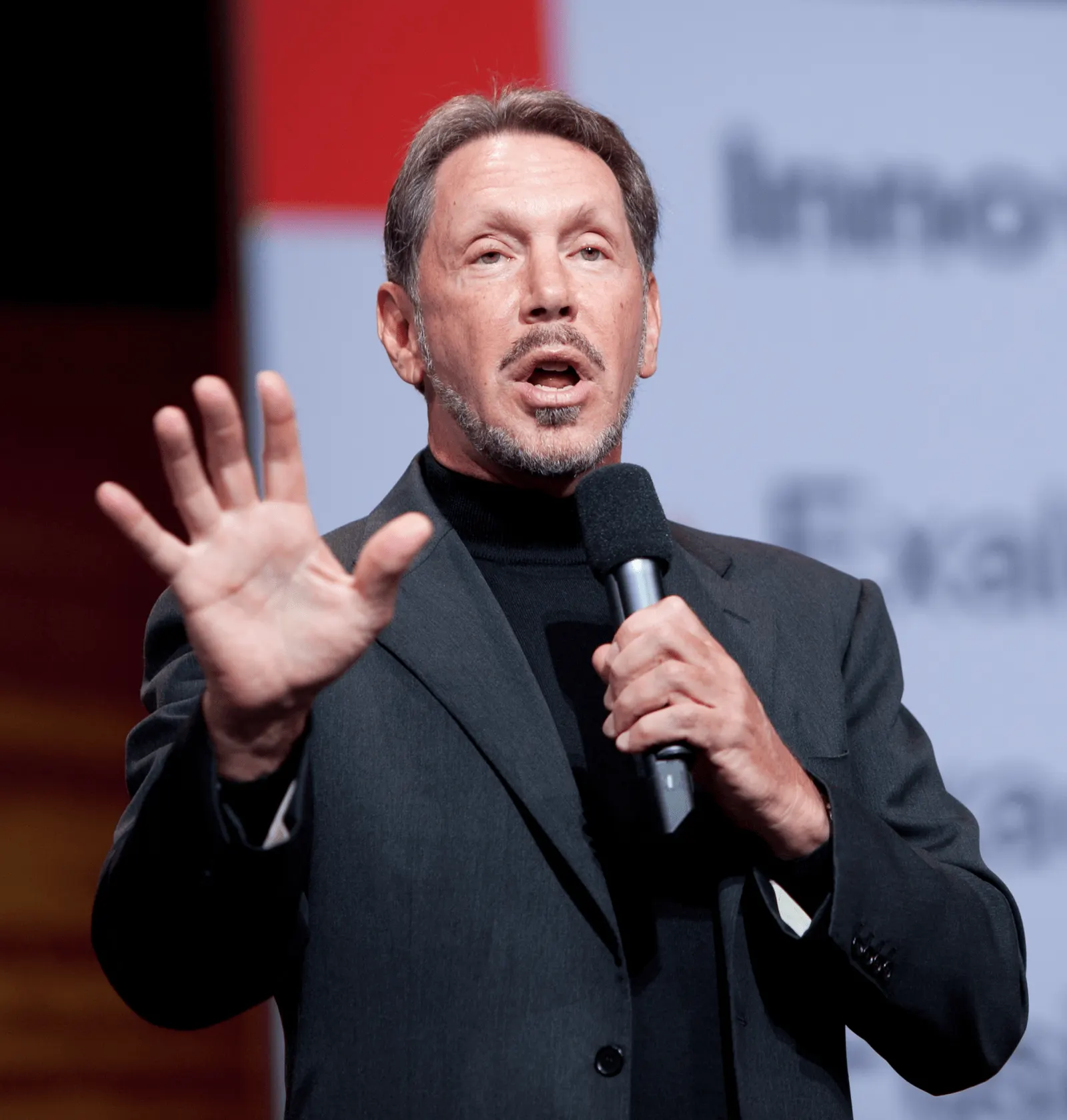 ProfileLarry EllisonCo-Founder and Chairman of Oracle Corporation
Related
Jensen Huang's Call from Trump Disrupts Nvidia's All-Hands Meeting
During Nvidia's recent all-hands meeting, CEO Jensen Huang received an unexpected call from Donald Trump, sparking employee buzz about its implications.

Jane Fonda Supports Mark Ruffalo Amid Controversy Over Antisemitism Claims
Jane Fonda stands by Mark Ruffalo after he was labeled antisemitic by Paramount for criticizing Larry Ellison's ties to Israel and a major merger.
Mark Ruffalo Ties Oracle's Military Tech to Paramount Deal, Studio Fires Back
The Hulk actor linked Larry Ellison's Oracle to Israel's military operations, prompting an unusual public response from Paramount calling the remarks antisemitic.