The Line That Haunts Christopher Nolan: A Brother's Legacy

Christopher Nolan reflects on the impact of a famous Dark Knight line he didn't write.
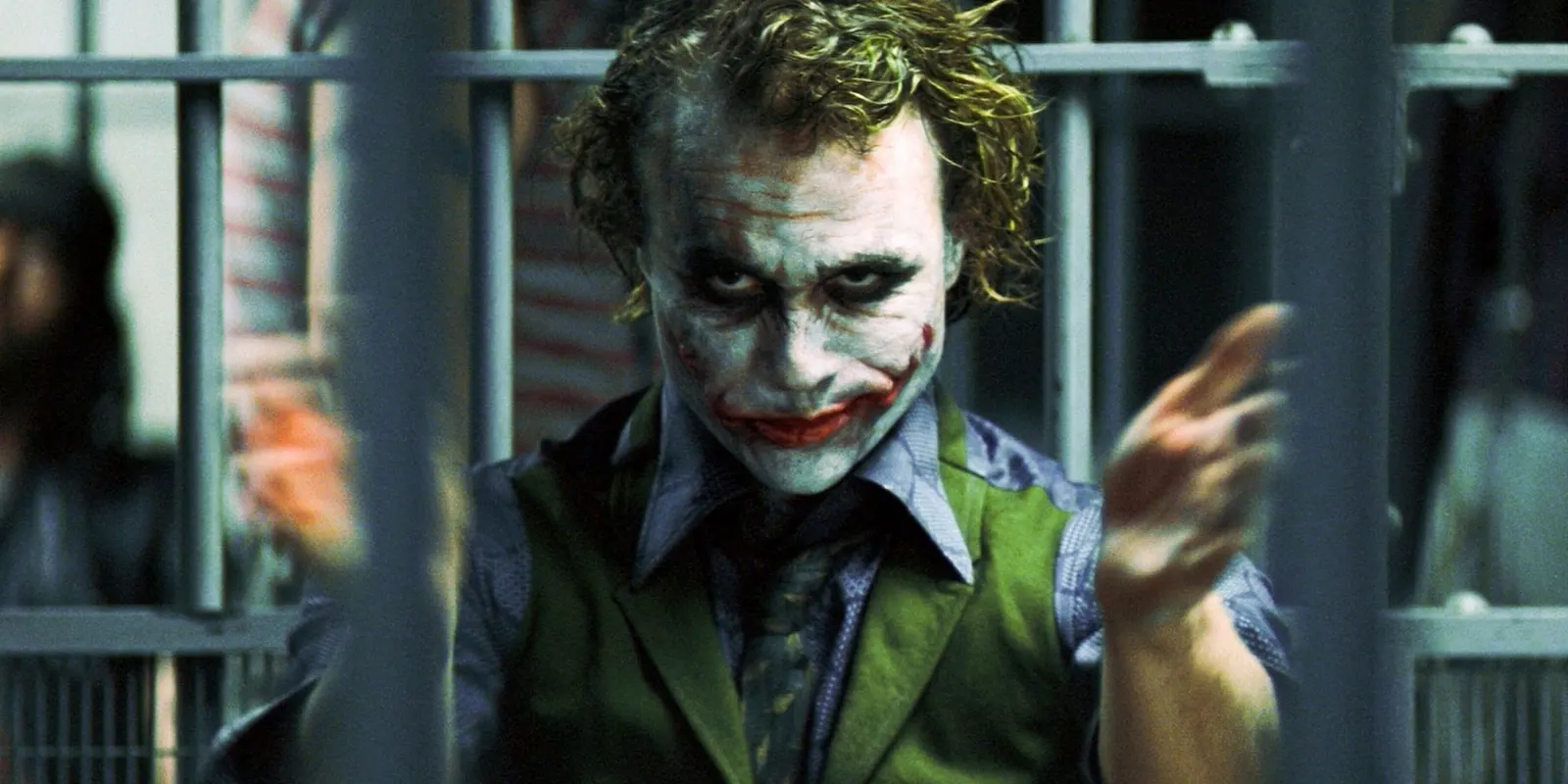
In the pantheon of cinematic history, few moments resonate as deeply as a line of dialogue that transcends its source material, embedding itself in popular culture. Christopher Nolan's The Dark Knight features such a moment in the chillingly prophetic words, "You either die a hero, or live long enough to see yourself become the villain." Spoken by Harvey Dent, portrayed with earnest intensity by Aaron Eckhart, this line encapsulates the film's exploration of heroism, morality, and the intricate dance between justice and chaos. Yet, what adds a layer of intrigue is the revelation that Nolan, the auteur acclaimed for his narrative craftsmanship, did not pen this iconic line himself. Instead, it was crafted by his brother, Jonathan Nolan, a fact that continues to trouble Christopher, as he expressed in a recent interview.
An Epic in Cinematic Storytelling
The Dark Knight, which has since become a cultural touchstone, redefined the superhero genre by infusing it with the complexity of a timeless American epic. Through its multilayered narrative, it offers a critique of society’s fascination with vigilante justice and the moral dilemmas faced by those who wield power in Gotham City. The film not only elevated superhero storytelling but also set a new benchmark for character-driven narratives, a hallmark of Nolan’s directorial style. The juxtaposition of vigilantes and villains serves not merely to entertain, but to provoke thought about the ethical boundaries of justice and power.
Despite his accolades for visual storytelling and innovative cinematic techniques, including his pioneering use of IMAX formats, Nolan has been candid about his writing. Known for dialogues that some might label verbose or overtly didactic, the brilliance of Dent's line stands apart, seamlessly fitting the film's thematic undercurrents. It is curious then that, as Nolan admits, he feels "plagued" by a line that he feels deeply resonates with audiences yet isn't his own.
The Collaboration of Brothers
The collaborative dynamic between Christopher and Jonathan Nolan has been foundational to their respective successes. While the elder Nolan remains the visible architect behind acclaimed films such as Inception and Dunkirk, Jonathan has carved out his own legacy, with notable works like Westworld and Person of Interest. This partnership, rooted in familial ties, showcases an intricate interplay of creative ideas, with Jonathan often understanding narrative mechanics that complement his brother’s visionary approach.
Christopher's insight into the effectiveness of Jonathan's contributions highlights a creative synergy: Jonathan not only supports Christopher’s ambitious visions but also grounds them in relatable human experiences. In the universe of The Dark Knight, the philosophical dilemmas posed by characters serve to create a dialogue between the filmmakers and the audience, often reflecting on post-September 11 sentiments. Such a layered narrative elevates even simple statements into profound reflections on heroism and failure in a world fraught with moral ambiguity.
The Impact of Delivery
Although it’s easy to overlook the essence of who crafted this now-legendary line, the delivery is what ultimately etches it into the collective memory of filmgoers. Aaron Eckhart's portrayal of Harvey Dent allows the weight of the words to resonate, transforming a mere sentence into a compelling thesis statement for the film. The complexity of Dent's character arc—rising as the city's white knight only to succumb to its darkness—underscores the precarious nature of power and honor.
As Nolan reflected on the line's origin, he acknowledged its impact: "It kills me that I can’t claim authorship of the line. In this story, it's absolutely that – build them up, tear them down," reiterating its encapsulation of the film’s themes. The haunting truth behind Dent's words continues to reverberate not just within The Dark Knight, but throughout Nolan's broader filmography, inviting audiences to grapple with the ambiguous nature of heroism.
In an era where superhero films dominate box offices, the legacy of The Dark Knight remains robust and influential. Nolan's unique storytelling techniques marry grand cinematic ambitions with intimate character explorations, allowing audiences to reflect on notions of virtue, corruption, and the price of fame—ideas that are, ironically, interwoven with a single line that will forever be credited to Jonathan Nolan.
As we await future collaborations and fresh cinematic endeavors, including Nolan’s latest projects like Oppenheimer, the bond between the Nolan brothers serves as a reminder that every creative journey is paved not just by individual brilliance, but by the shared legacies that define them.
For insights into Nolan's inventive filming methods, see how he persuaded Ryan Coogler for Sinners in IMAX (/article/how-christopher-nolan-convinced-ryan-coogler-to-shoot-sinners-in-imax), or explore Tom Holland's experience working under Nolan's direction (/article/tom-holland-reflects-on-challenging-first-day-with-nolan-in-the-odyssey).
Related on Ni4o: How Christopher Nolan Convinced Ryan Coogler to Shoot 'Sinners' in IMAX · Tom Holland Reflects on Challenging First Day with Nolan in 'The Odyssey' · Tom Holland Reveals How Christopher Nolan Approached Zendaya for 'The Odyssey'
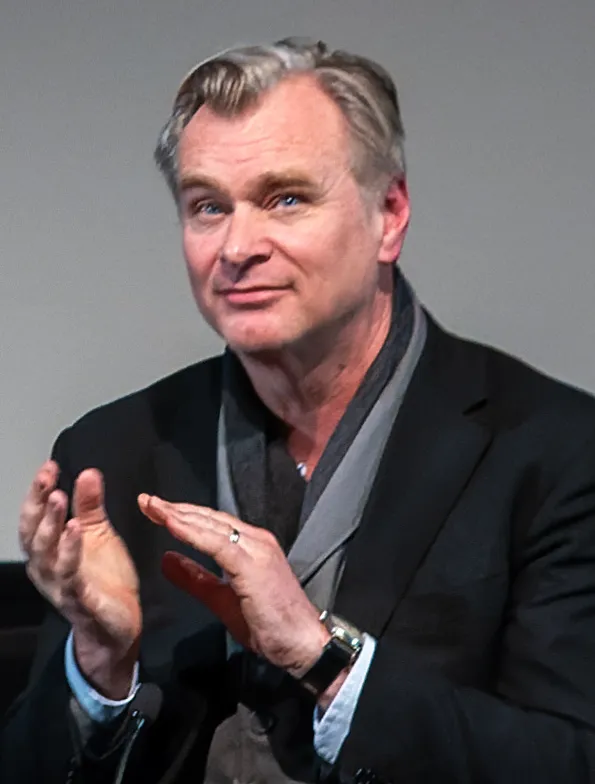 ProfileChristopher NolanFilmmaker
Related
Randy Quaid Slams Anne Hathaway Casting in Days of Thunder Sequel
Randy Quaid, who appeared in the original 1990 film, took to X to demand Nicole Kidman's return and dismiss the Hathaway announcement.

Eva Mendes' 'de Gosling' Tattoo Is the Only One She's Ever Wanted
Eva Mendes is showing off her wrist tattoo again — a small but meaningful piece of ink that carries a deep cultural significance.
Steven Spielberg's 'War of the Worlds' Returns to Streaming Amid Debate
Steven Spielberg's 'War of the Worlds' is hitting HBO Max next month, reigniting discussions on its mixed reception.