Tales of Earthsea Returns to Theaters 20 Years After Its Divisive Debut

Goro Miyazaki's deeply contested Studio Ghibli debut is heading back to North American cinemas this August, inviting a long-overdue reassessment.
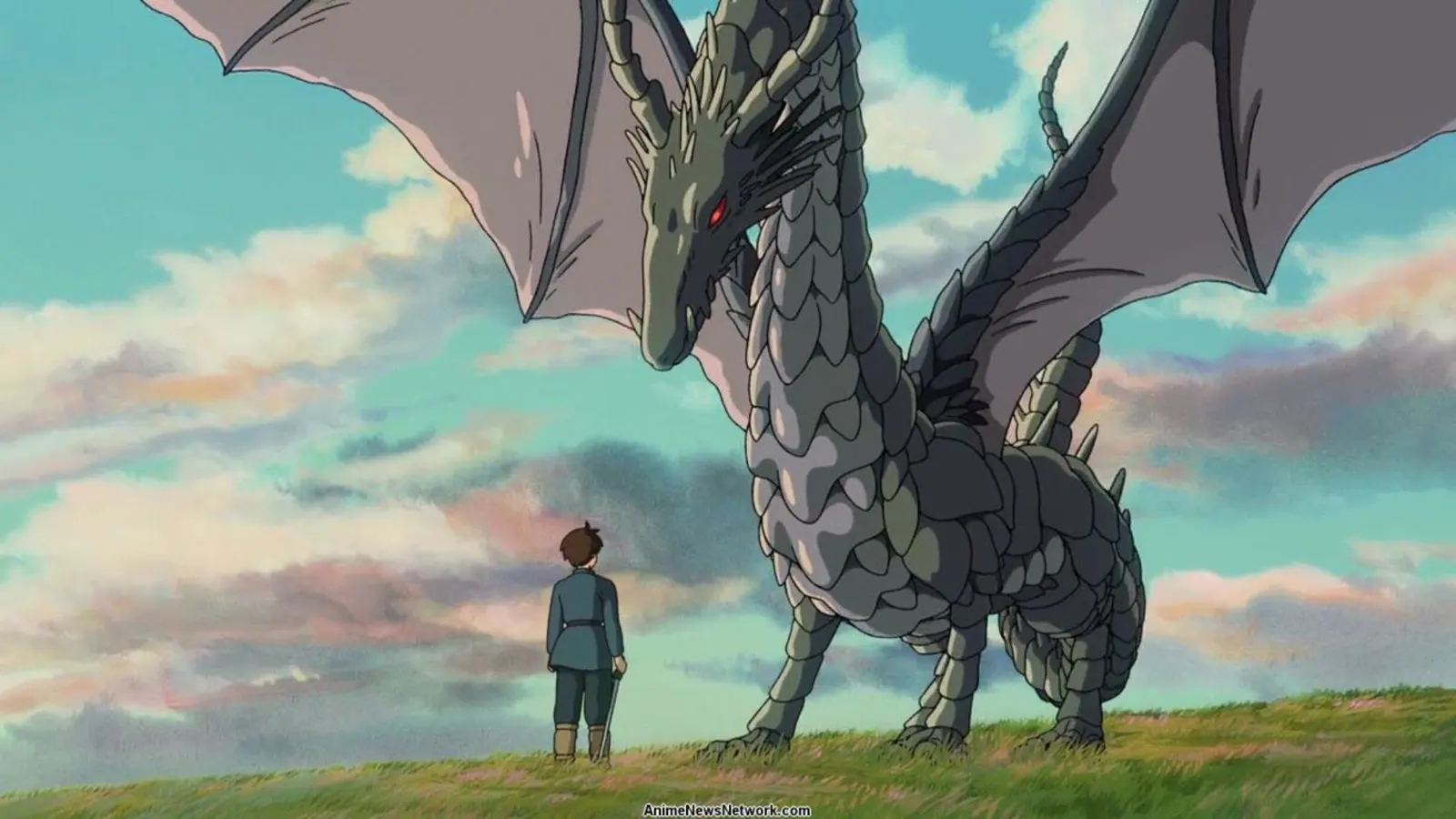
Studio Ghibli occupies a rare position in animation history — a studio whose filmography is so consistently extraordinary that even its most criticized work still provokes passionate debate two decades after release. That distinction belongs, perhaps unfairly, to Tales from Earthsea, Goro Miyazaki's 2006 feature directorial debut, which returns to North American theaters on August 8 and 10 for a 20th-anniversary theatrical run, according to Polygon.
A Debut Shadowed by Expectation
Few first films arrive burdened with quite the weight that Tales from Earthsea carried. As the son of Hayao Miyazaki — Studio Ghibli co-founder and arguably the most influential figure in the history of animated cinema — Goro stepped into the director's chair with virtually no feature experience, having previously served in a consultancy role at the studio. The project itself compounded that pressure: an adaptation of Ursula K. Le Guin's richly layered Earthsea fantasy novels, drawing simultaneously from The Farthest Shore and Tehanu rather than committing to a single source text. Condensing two tonally distinct novels into a single narrative arc is a challenge that would test seasoned filmmakers, and the resulting film reflects those structural strains in its uneven pacing and compressed character development. Hayao Miyazaki reportedly harbored reservations about his son helming the project before ultimately stepping aside — a gesture of both faith and distance that hung over the film's reception as surely as any critical review.
What the Critics Got Right (and What They Missed)
The initial reception in 2006 was, by Ghibli standards, bruising. Critics identified precisely the problems the film's construction invited: narrative fragmentation, philosophical ideas left underdeveloped, and a story that struggled to establish emotional stakes at the pace the plot demanded. For audiences arriving fresh from Howl's Moving Castle, those deficiencies felt especially pronounced. Two decades of Ghibli catalog rankings have consistently placed Tales from Earthsea at or near the bottom, a position it has held even as later Goro Miyazaki films — From Up on Poppy Hill and the polarizing Earwig and the Witch, Ghibli's first venture into 3D animation — entered the conversation.
And yet the film has never been as empty as its ranking suggests. The painted background art is genuinely breathtaking, a reminder that Goro earned his directing opportunity in the first place through the quality of his storyboards. Joe Hisaishi's score — sweeping orchestral strings, measured piano passages, warm brass — provides emotional architecture that the screenplay sometimes cannot. Several sequences carry the quiet, melancholic weight that defines the studio's finest fantasy work, and the film's thematic preoccupations with mortality, identity, and humanity's fraught relationship with the natural world sit comfortably within Ghibli's broader philosophical tradition, even when the story fails to honor them fully.
A Kinder Reassessment
Streaming availability on HBO Max has introduced Tales from Earthsea to a generation of anime viewers unburdened by the original theatrical context, and the reappraisal has been gradual but genuine. Freed from the impossible task of following a masterpiece in real time, newer audiences have engaged with the film on more forgiving terms — acknowledging its limitations while responding to its ambition and visual craft. It remains one of Ghibli's least successful features by almost any measure, but the label "flawed and ambitious" sits more honestly on it than "disaster."
Perhaps the most affecting testimony comes from Hayao Miyazaki himself. At the film's 2006 launch party, he told his son, through words that Goro later recorded in his production blog, that the film "was made honestly, so it was good" — a remark that reportedly moved Goro to tears. That quality of honesty — earnest, imperfect, reaching — is precisely what the anniversary re-release offers viewers willing to meet it there.
Why It Still Matters
Anniversary re-releases are rarely just celebrations of excellence; they are also opportunities to sit with the works that illuminate a studio's growing pains, its creative risks, and the human costs of working under enormous expectation. For a studio that has produced films as enduring as Princess Mononoke and Spirited Away, the return of Tales from Earthsea is a useful reminder that creative legacies are built not only from triumphs but from the courage to attempt something difficult and fall short in ways worth examining. For anyone curious about the full arc of modern animation history — and the complicated dynamics of artistic inheritance — August 8 and 10 offer a worthwhile evening at the cinema.
Related on Ni4o: Hugh Jackman's 'The Sheep Detectives' Becomes a Prime Video Hit · Priyanka Chopra "Shocked" by The Bluff Success, Updates Varanasi · Sandra Bullock Returns in First 'Practical Magic 2' Trailer
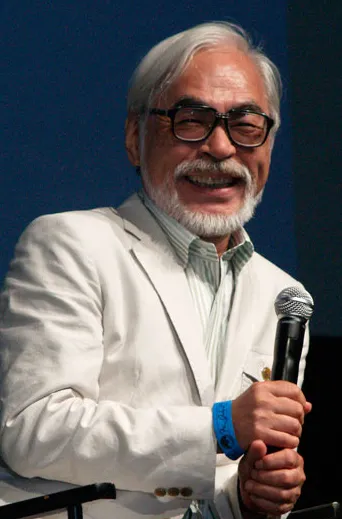 ProfileHayao MiyazakiAnimator & filmmaker
Related
Randy Quaid Slams Anne Hathaway Casting in Days of Thunder Sequel
Randy Quaid, who appeared in the original 1990 film, took to X to demand Nicole Kidman's return and dismiss the Hathaway announcement.

Eva Mendes' 'de Gosling' Tattoo Is the Only One She's Ever Wanted
Eva Mendes is showing off her wrist tattoo again — a small but meaningful piece of ink that carries a deep cultural significance.
Steven Spielberg's 'War of the Worlds' Returns to Streaming Amid Debate
Steven Spielberg's 'War of the Worlds' is hitting HBO Max next month, reigniting discussions on its mixed reception.