Taika Waititi's 'Klara and the Sun' Stumbles as a Misguided Comedy

Taika Waititi's adaptation of Kazuo Ishiguro's celebrated novel misfires badly, with whimsy undercutting the story's emotional and philosophical weight.
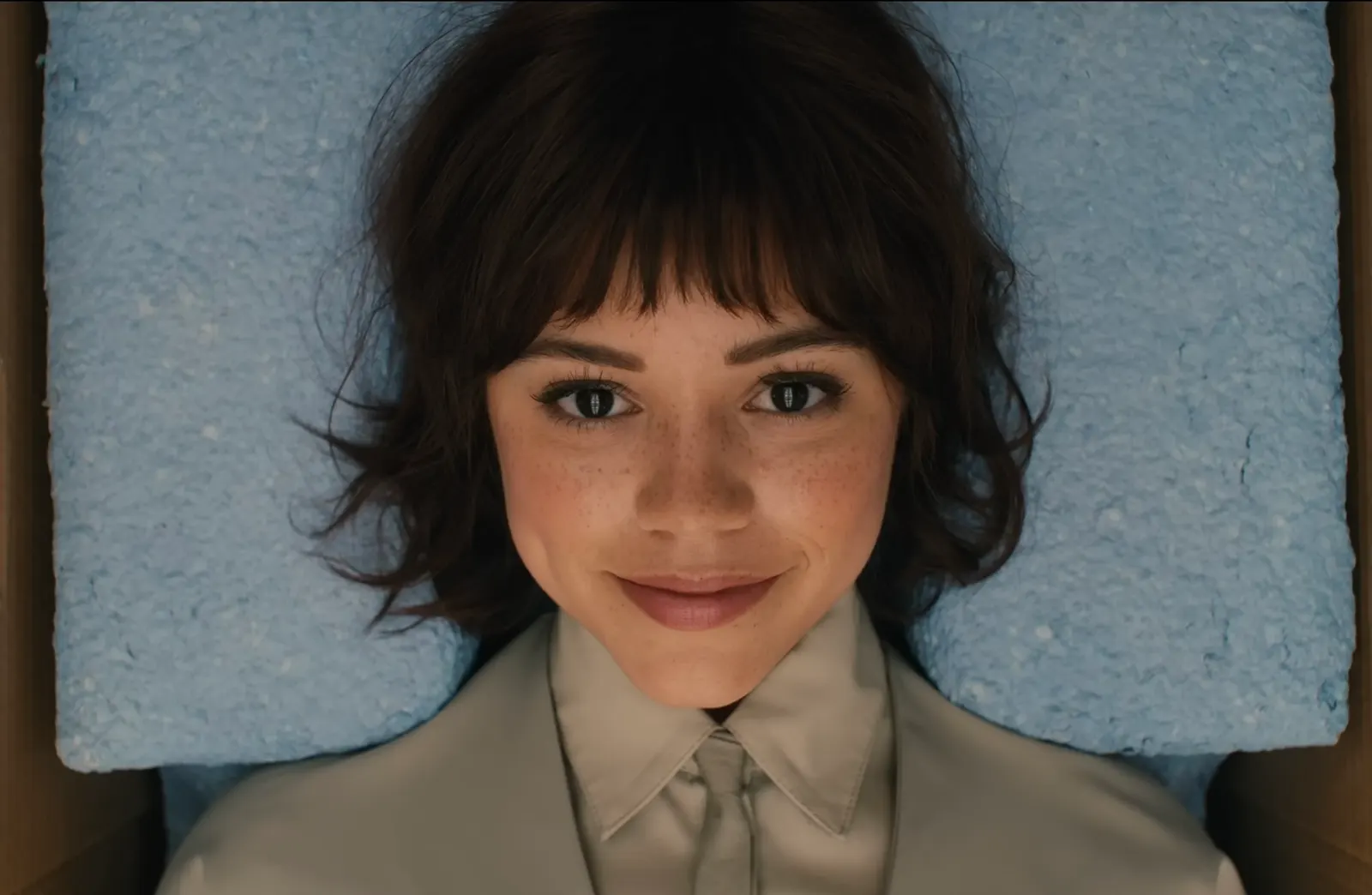
Taika Waititi has built a career on an instinct for tonal alchemy — the capacity to blend irreverence with genuine feeling in ways that shouldn't work but sometimes do. His latest feature, Klara and the Sun, adapted from Kazuo Ishiguro's quietly devastating 2021 novel, suggests that instinct may have limits, and that not every solemn, morally searching source text can be safely filtered through his signature cockeyed lens.
A Playbook Revisited, With Diminishing Returns
Waititi has drawn from this well before. Jojo Rabbit, his polarizing Oscar-winning satire built around a Hitler Youth member navigating ideological collapse, made a similar gamble: treating grave material with a comedian's sensibility. That film grossed nearly $100 million worldwide and earned him an Academy Award for Best Adapted Screenplay, a result that perhaps emboldened the filmmaker to believe the approach was reliably transferable. With Klara and the Sun, however, the strategy proves far less defensible. Where Jojo Rabbit at least anchored its whimsy in a child's subjective unreality — a narrative frame with its own internal logic — Klara demands a quieter, more contemplative register that Waititi appears constitutionally reluctant to sustain.
Ortega Works Hard Against the Grain
Jenna Ortega, who continues to demonstrate range and instinctive intelligence as a performer — she is among the 529 artists invited to join the Film Academy in 2026, a recognition of her growing industry stature — plays Klara, an AF (Artificial Friend) purchased to companion an ailing teenager. The role demands restraint, a kind of luminous blankness through which Ishiguro's philosophical questions about consciousness, love, and sacrifice are meant to refract. Ortega finds moments of genuine grace, but she is working against a directorial framework that keeps interrupting the material's natural rhythms with strained comic flourishes. According to Variety, her efforts to illuminate the character are ultimately undermined by Waititi's tonal choices, which the outlet describes as ruinous to the adaptation.
Ishiguro's Novel and the Problem of Fidelity
Ishiguro's prose fiction has always resisted easy cinematic translation. Never Let Me Go — the 2010 Mark Romanek adaptation starring Carey Mulligan and Keira Knightley — succeeded precisely because it honored the source novel's restrained, elegiac tone, trusting audiences to inhabit its quiet devastation. The Remains of the Day remains the gold standard: a film that understood Ishiguro's interest in repression, duty, and the devastating cost of emotional avoidance. Klara and the Sun, in Waititi's hands, seems to have been reconceived as something closer to a whimsical fable, a framing that flattens the novel's central inquiry into what it means to truly see and be seen by another consciousness. The result, by most measures, is a film at war with itself.
A Director at a Crossroads
Waititi's personal life has remained comparatively high-profile through this period — he was recently seen stepping out in support of Rita Ora at the Descendants premiere, and the couple have made headlines for getaways with friends in Ibiza — but the more pressing question now concerns his artistic trajectory. After the massive commercial machinery of Thor: Love and Thunder drew mixed responses from critics and fans alike, Klara and the Sun was positioned as a return to the intimate, character-driven work that first made his name. That it appears to have missed the mark suggests a filmmaker who may need to interrogate more carefully where his considerable gifts genuinely lie.
The Bigger Picture
For audiences drawn to thoughtful science fiction with genuine emotional stakes, Klara and the Sun may still offer sporadic rewards, largely courtesy of Ortega's committed performance. But as an adaptation of one of contemporary literature's most searching explorations of artificial intelligence and human connection, it represents a significant missed opportunity — a film that had the raw material for something profound and chose spectacle and whimsy instead.
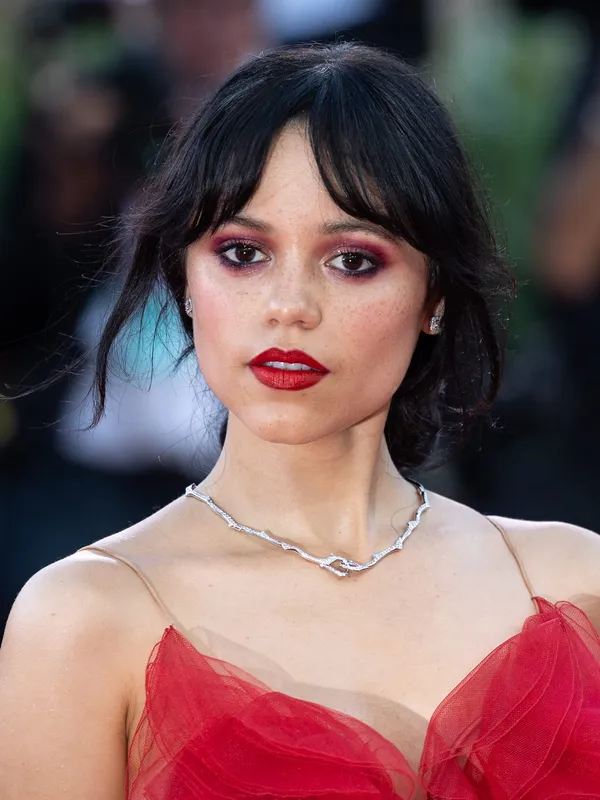 ProfileJenna OrtegaAmerican actress
Related
Randy Quaid Slams Anne Hathaway Casting in Days of Thunder Sequel
Randy Quaid, who appeared in the original 1990 film, took to X to demand Nicole Kidman's return and dismiss the Hathaway announcement.
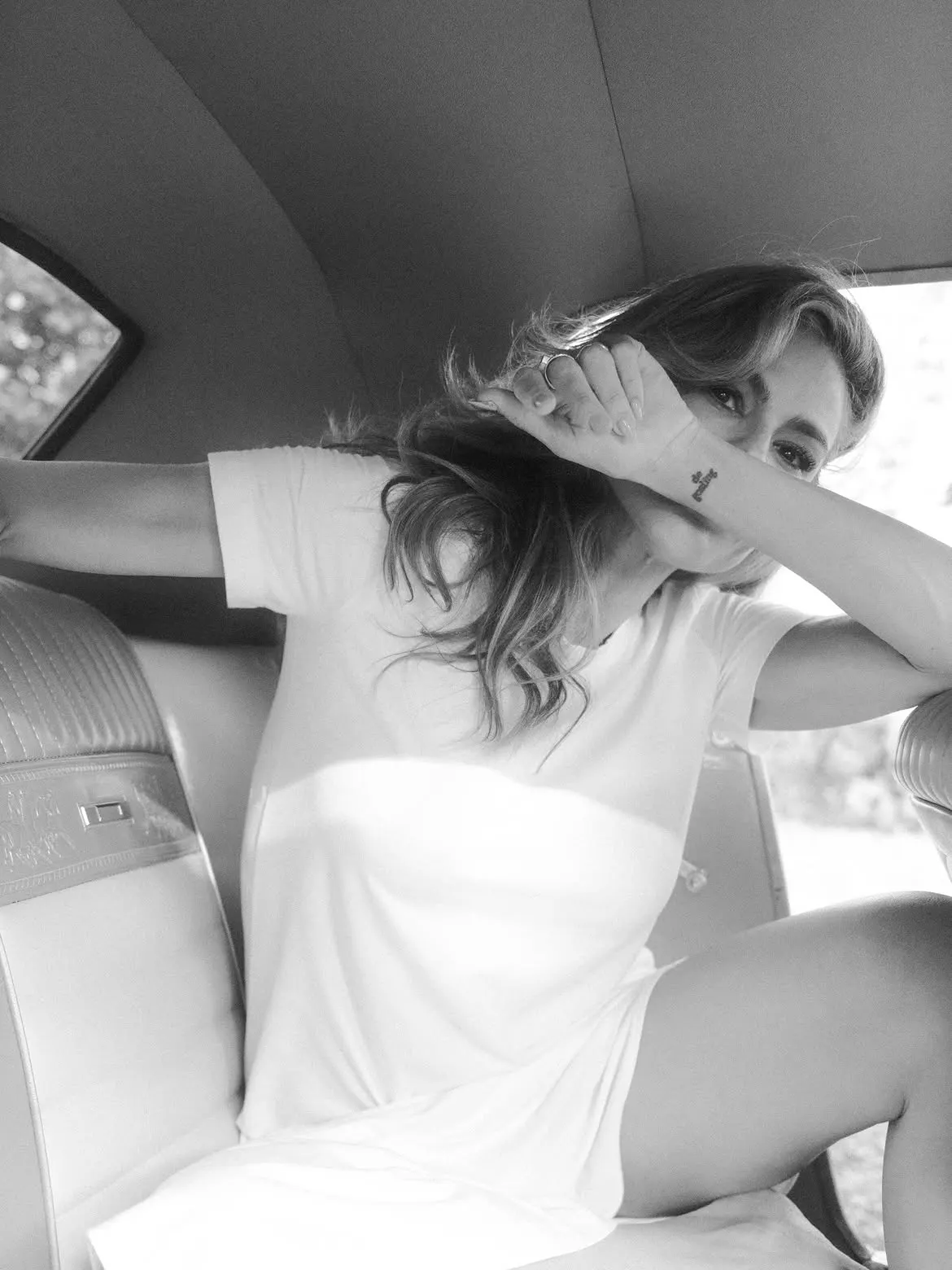
Eva Mendes' 'de Gosling' Tattoo Is the Only One She's Ever Wanted
Eva Mendes is showing off her wrist tattoo again — a small but meaningful piece of ink that carries a deep cultural significance.
Steven Spielberg's 'War of the Worlds' Returns to Streaming Amid Debate
Steven Spielberg's 'War of the Worlds' is hitting HBO Max next month, reigniting discussions on its mixed reception.