Six Sci-Fi Flops That Deserved 'Project Hail Mary'-Level Success

Ryan Gosling's Project Hail Mary has become a genre benchmark, but several ambitious sci-fi films from the past decade never got the audience they earned.
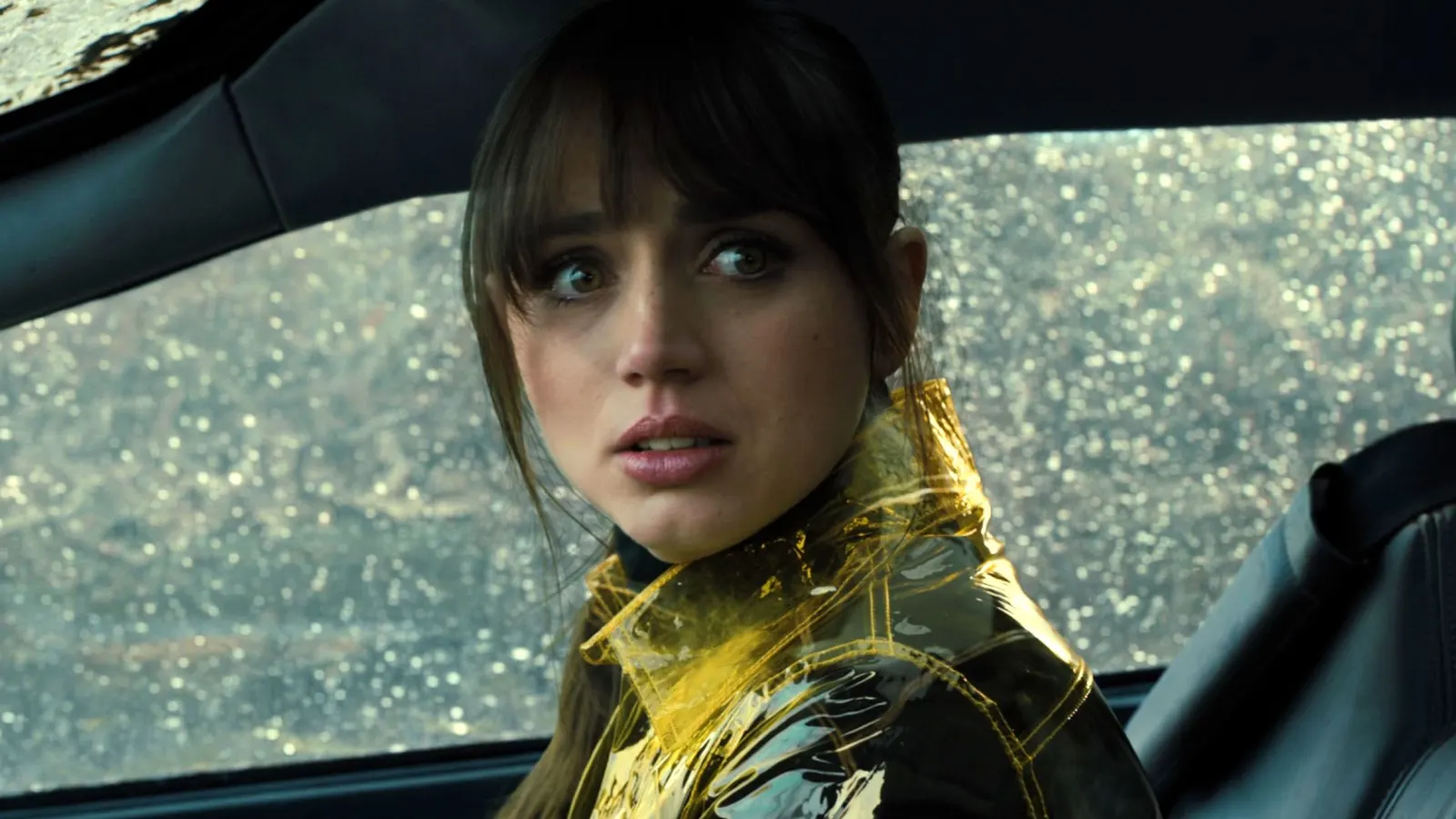
Ryan Gosling's Project Hail Mary has done something genuinely rare: it has reminded mainstream audiences that hard science fiction — the kind that trusts viewers to engage with orbital mechanics and microbiology — can also be a blockbuster. With a reported worldwide gross of $684.3 million against a $200 million budget, the film has become a commercial and critical touchstone, and its success inevitably casts a retroactive light on earlier films that tried to occupy similar territory and were met with relative indifference. According to ScreenRant, at least six sci-fi films from the past decade deserved a comparable level of recognition and box office performance but never quite found their moment.
The Andy Weir Effect and What It Tells Us About Audience Appetite
It's worth situating Project Hail Mary within its literary and cinematic lineage. The film adapts Andy Weir's novel of the same name, and Weir's previous adaptation — Ridley Scott's The Martian (2015) — demonstrated that science-forward storytelling anchored by a charismatic lead could generate genuine mass appeal. Gosling, whose ability to modulate charm and vulnerability in equal measure is among the more underappreciated skills in contemporary Hollywood, carries Project Hail Mary with the kind of presence that elevates material rather than simply inhabiting it. That quality, alongside the film's visual ambition, goes a long way toward explaining its success — and equally toward explaining why some of its predecessors fell short despite comparable craft.
Films That Built the Blueprint Nobody Followed
Alex Garland's Annihilation (2018) is perhaps the most instructive case. A psychologically dense, R-rated adaptation of Jeff VanderMeer's novel, it assembled a cast — Natalie Portman, Tessa Thompson, Oscar Isaac, Benedict Wong — that would anchor any prestige production. Critics responded warmly, awarding it an 88% score on Rotten Tomatoes from over 330 reviews. Yet the film earned only $43.1 million globally against a $55 million budget, falling well short of the $110–137 million range needed to break even. Paramount's decision to sell international rights to Netflix before release fragmented its theatrical momentum, a cautionary tale about distribution strategy undermining artistic ambition.
James Gray's Ad Astra (2019) is another film that deserved a longer cultural half-life. With Brad Pitt delivering one of his most internalized performances as an astronaut searching for his missing father across the solar system, the film used deep space as a mirror for psychological isolation and existential doubt — the kind of formal ambition that recalls Andrei Tarkovsky's Solaris filtered through contemporary genre filmmaking. Its $135.2 million gross against an $80 million budget left it in the red, despite an 83% critical score.
Timing, Tone, and the Films That Nearly Made It
Love and Monsters (2020) is perhaps the most straightforwardly crowd-pleasing entry on this list, a post-apocalyptic adventure featuring Dylan O'Brien and a dog traversing a monster-filled landscape with the kind of earnest warmth that Project Hail Mary channels so effectively. Its 94% critics' score and 89% audience score on Rotten Tomatoes suggest a film that genuinely connected with those who found it — but a COVID-curtailed theatrical run limited its total gross to a devastating $1.1 million. Circumstance, more than quality, was its undoing.
Gareth Edwards' The Creator (2023) is the most recent and perhaps most technically remarkable example. Achieving photorealistic futuristic visuals on an $80 million budget — a fraction of what franchise productions like Dune or Star Wars deploy — Edwards demonstrated genuine innovation in production methodology. The film earned only $104.3 million, short of its break-even threshold, despite strong craft and a timely meditation on artificial intelligence. Similarly, Furiosa: A Mad Max Saga represented George Miller operating at the peak of his powers with Anya Taylor-Joy in a role written for her particular intensity, yet failed to replicate its predecessor's commercial momentum.
What Project Hail Mary Got Right
The common thread across these films is that ambition without the right conditions — distribution, timing, star power calibrated to the material — can fall silent. Gosling's trajectory makes this particularly resonant; as he moves into new franchise territory, including his upcoming role as Ghost Rider in the MCU, the question of how stardom shapes a film's reception remains central. Project Hail Mary succeeded because every element aligned. These six films prove that alignment is rarer, and more fragile, than it might appear.
Related on Ni4o: Ryan Gosling's 'La La Hand' Finally Fixed on New Anniversary Poster · Ryan Gosling Will Play Ghost Rider in Marvel's 2028 Film With Shawn Levy
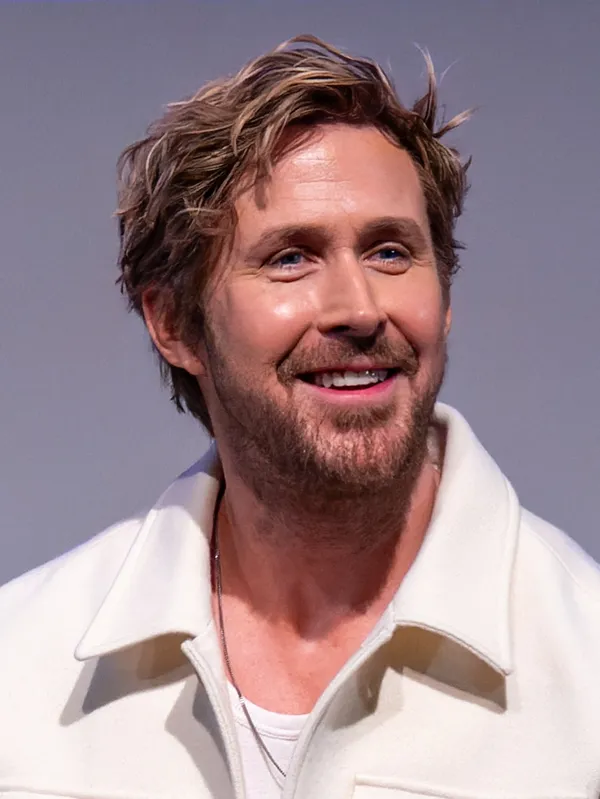 ProfileRyan GoslingActor
Related
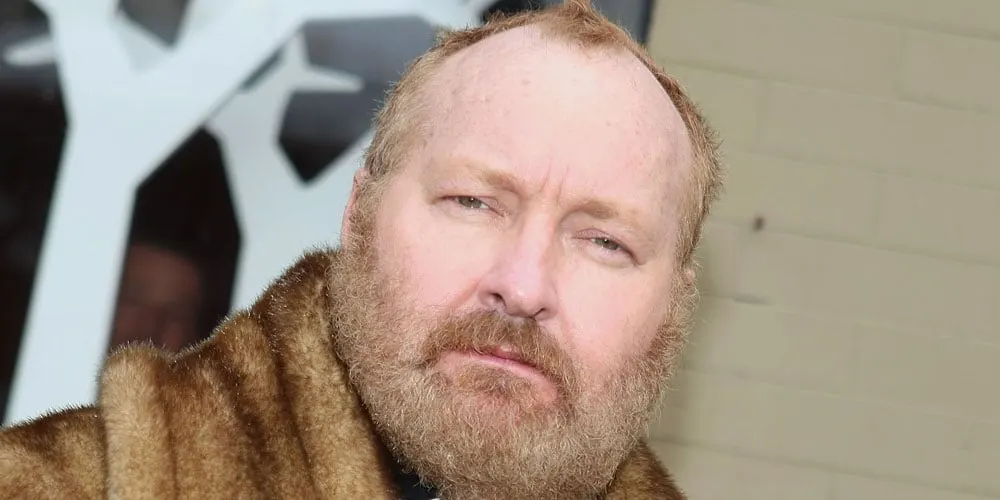
Randy Quaid Slams Anne Hathaway Casting in Days of Thunder Sequel
Randy Quaid, who appeared in the original 1990 film, took to X to demand Nicole Kidman's return and dismiss the Hathaway announcement.

Eva Mendes' 'de Gosling' Tattoo Is the Only One She's Ever Wanted
Eva Mendes is showing off her wrist tattoo again — a small but meaningful piece of ink that carries a deep cultural significance.
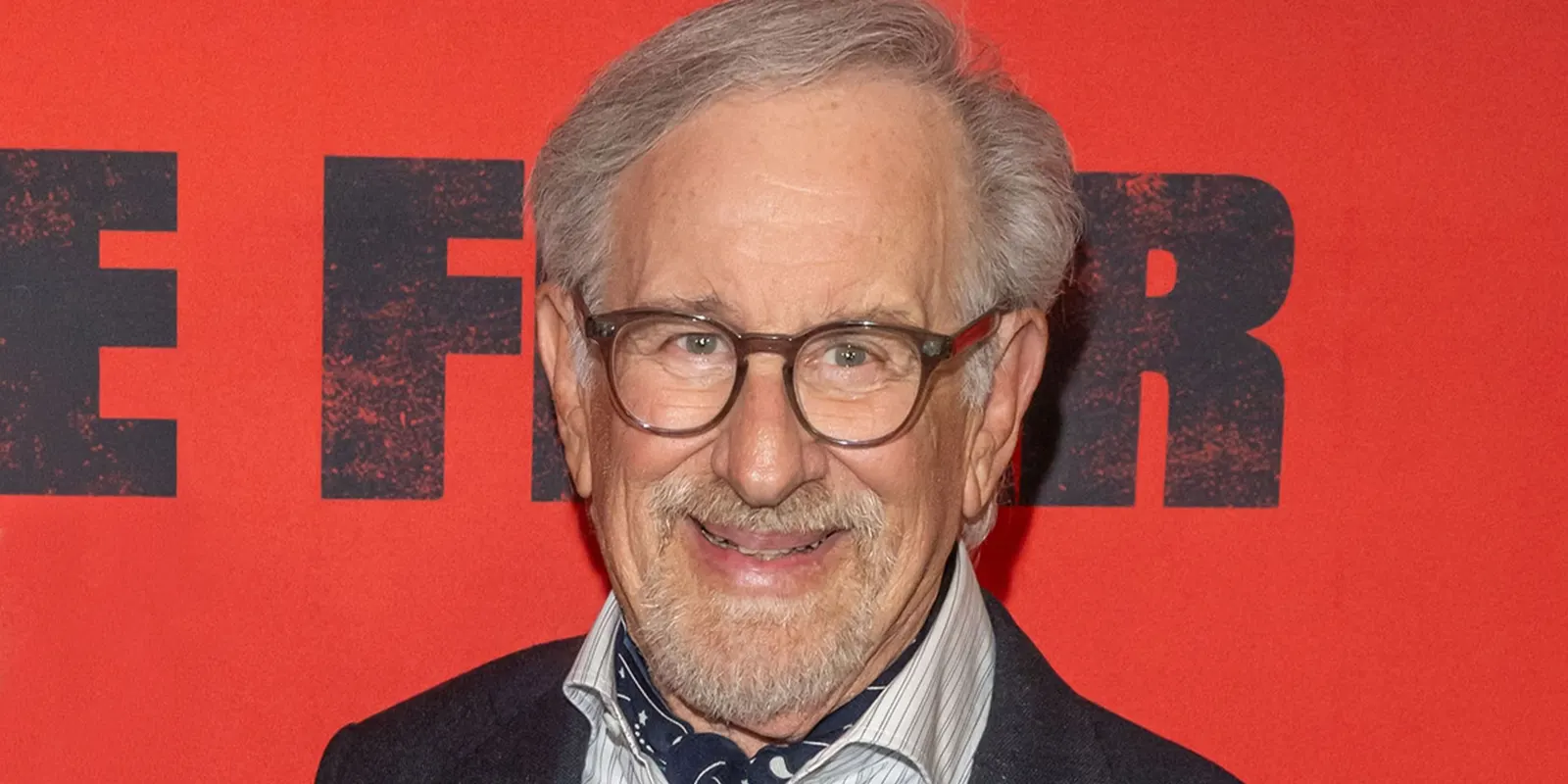
Steven Spielberg's 'War of the Worlds' Returns to Streaming Amid Debate
Steven Spielberg's 'War of the Worlds' is hitting HBO Max next month, reigniting discussions on its mixed reception.