Scorsese Says Seth Rogen's 'The Interview' Killed His Cleopatra Film

Martin Scorsese reveals the 2014 Sony hack, triggered by Seth Rogen's comedy, derailed his planned Cleopatra epic starring Angelina Jolie.
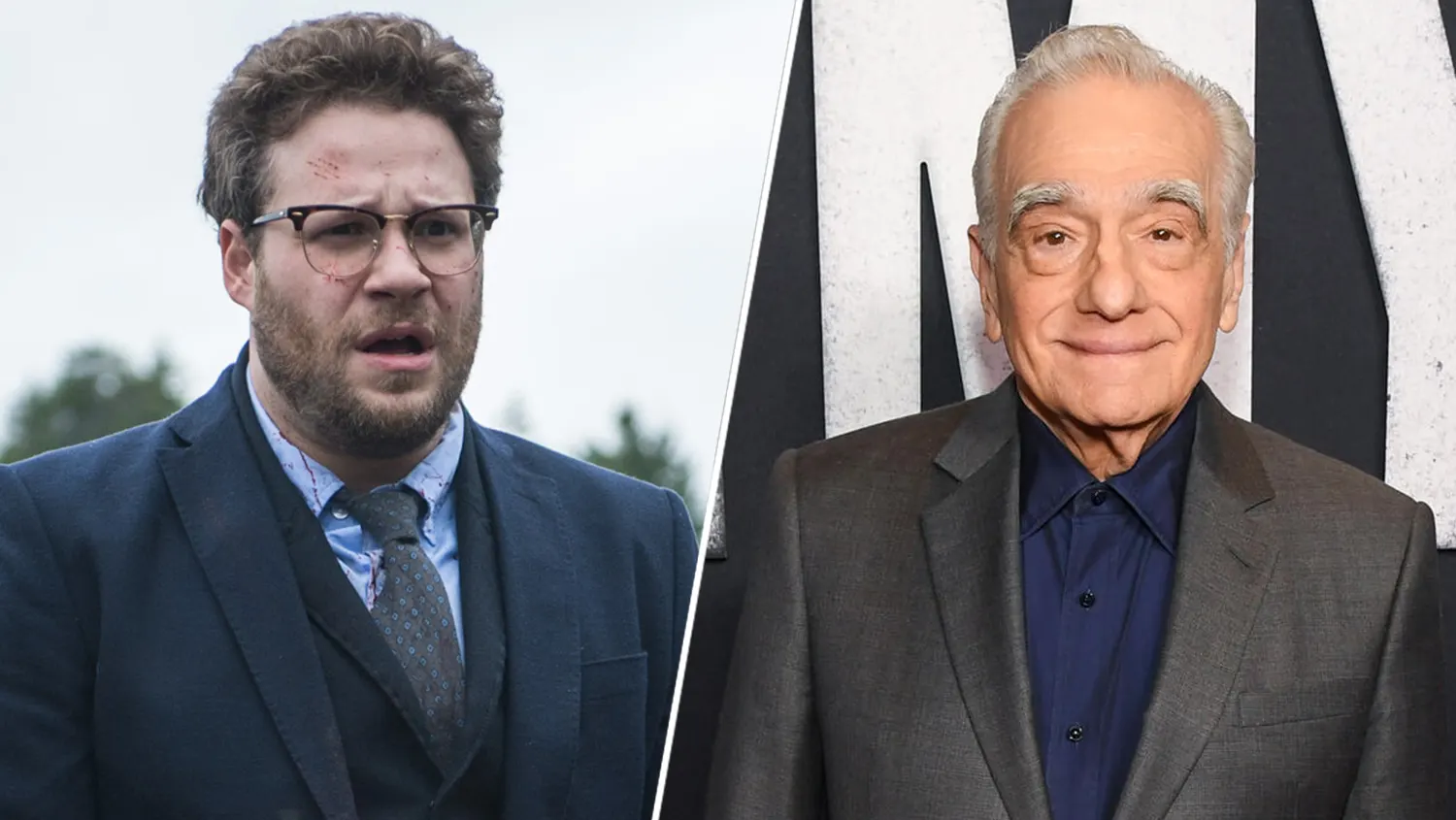
Martin Scorsese has never been a director who shies away from candor, and a recent conversation with his daughter has surfaced a particularly revealing grievance — one rooted not in artistic disagreement, but in geopolitical chaos. The acclaimed filmmaker has opened up about how the infamous 2014 Sony hack effectively dismantled what would have been one of the most anticipated historical epics of his career: a Cleopatra feature starring Angelina Jolie.
A Conversation Between Father and Daughter
The disclosure came during an episode of Tribeca's Crafty, where Scorsese sat down with his daughter Francesca Scorsese for a candid, wide-ranging discussion about his filmmaking life. In that relatively intimate setting, he recounted — with a mix of frustration and wry resignation — how the collapse of his Cleopatra project traced back to a North Korean government that, as he put it, lacked a sense of humor. "Kim Jong Un doesn't have a sense of humor," the director remarked, explaining how the North Korean leader's fury over Seth Rogen's satirical comedy The Interview spiraled into a state-sponsored cyberattack that devastated Sony Pictures and, collaterally, his own film's momentum. According to Deadline, Scorsese described the situation plainly: the hack "ruined everything" for Cleopatra.
The Sony Hack and Its Unexpected Casualties
For those who lived through the Hollywood upheaval of late 2014, the Sony hack remains one of the most dramatic corporate and creative crises the industry has ever faced. North Korean operatives infiltrated Sony's internal networks in apparent retaliation for The Interview, Rogen and Evan Goldberg's broad comedy in which fictional journalists are recruited to assassinate Kim Jong Un. The breach exposed private emails, unreleased films, salary data, and sensitive executive communications — sending shockwaves through every department at the studio.
What tends to get lost in the retelling of that story is the collateral damage absorbed by projects that were simply in the pipeline. Scorsese's Cleopatra, with Jolie attached to the title role, was among them. The chaos that enveloped Columbia Pictures — Sony's film division — apparently derailed the development infrastructure that the project depended on. It is a sobering reminder that even the most ambitious creative endeavors are ultimately vulnerable to forces entirely beyond a filmmaker's control.
Scorsese, Ambition, and the Projects That Got Away
For students of Scorsese's career, the loss of a Cleopatra epic carries considerable weight. The director has long demonstrated an appetite for sweeping, meticulously researched historical narratives — a sensibility evident from Gangs of New York through to Killers of the Flower Moon. A film centered on one of antiquity's most complex and consequential figures, headlined by one of contemporary cinema's most committed performers, would have sat comfortably within that tradition. It is precisely the kind of grand, character-driven historical canvas that Scorsese navigates with rare authority.
This isn't the first time the director's more personal reflections have shed light on the texture of his creative life. Scorsese and Quentin Tarantino have both opened up candidly in the Robert Richardson documentary, offering a window into the collaborative relationships that have shaped modern cinema, while Richardson himself remains one of the medium's great visual architects — a frequent Scorsese collaborator whose work has defined the look of several landmark films.
What Might Have Been
Scorsese, now in his eighties and still actively developing projects, approaches the Cleopatra episode with the philosophical distance that comes with a career spanning six decades. Yet the anecdote is more than a curiosity — it illustrates how fragile even well-resourced productions can be, and how thoroughly the entertainment industry is intertwined with forces that have nothing to do with storytelling.
For a director whose relationship with the camera has occasionally extended beyond the director's chair, and whose influence permeates contemporary filmmaking at every level, the loss of Cleopatra remains a rare and genuinely unfortunate what-if — one that, apparently, still stings.
 ProfileAngelina JolieActress, filmmaker and humanitarian
Related
Randy Quaid Slams Anne Hathaway Casting in Days of Thunder Sequel
Randy Quaid, who appeared in the original 1990 film, took to X to demand Nicole Kidman's return and dismiss the Hathaway announcement.

Eva Mendes' 'de Gosling' Tattoo Is the Only One She's Ever Wanted
Eva Mendes is showing off her wrist tattoo again — a small but meaningful piece of ink that carries a deep cultural significance.
Steven Spielberg's 'War of the Worlds' Returns to Streaming Amid Debate
Steven Spielberg's 'War of the Worlds' is hitting HBO Max next month, reigniting discussions on its mixed reception.