Reassessing Nolan's Dialogue: Clunky Lines with Deeper Meaning

Christopher Nolan's dialogue has faced criticism, but a deeper look reveals hidden brilliance in lines from 'The Odyssey' and 'Interstellar'.
Christopher Nolan, a filmmaker known for his ambitious narratives and innovative storytelling, has long walked the fine line between critical acclaim and public skepticism, especially in terms of his scriptwriting. While he has seen success as a director, garnering three Oscar nominations for screenwriting, his lines of dialogue often stir a mix of admiration and derision among audiences. Let's delve into some examples from his recent works, particularly The Odyssey and Interstellar, that challenge the notion of what makes dialogue compelling.
The Odyssey's Historical Perception
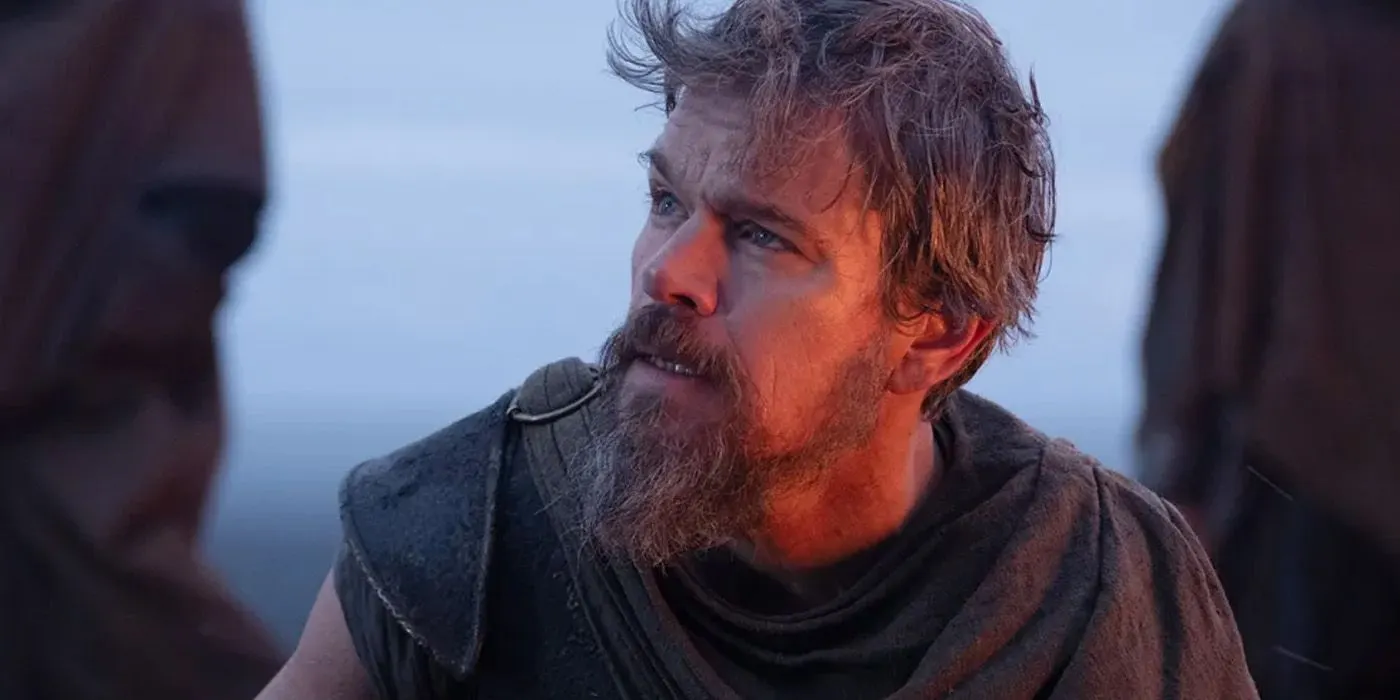
In The Odyssey, we are introduced to Odysseus, portrayed by Matt Damon, who delivers a line that became the center of scrutiny. "Our age of bronze is collapsing," he remarks, a phrase some viewers found laughable given its apparent anachronism. Critics compared it to an absurd statement made during major historical periods, suggesting a lack of self-awareness on Odysseus's part. However, such an interpretation overlooks the layered nuance in his proclamation.
Firstly, it's essential to recognize that the characters in the film are not using the term "Bronze Age" with the same historical foresight we have today. They are simply describing an era characterized by advancements in metallurgy, arts, and trade. In calling it an age of bronze, Odysseus is reflecting on the richness and impending doom of their civilization. This echoes a broader theme that transcends time—individuals across history have always felt the pangs of change, often viewing themselves on the brink of collapse. In that sense, his statement serves to ground viewers in the reality of the character’s experience rather than an oversight in historical accuracy.
This line deepens our understanding of Odysseus’s plight as he grapples with the chaos that has marked his journey. Having witnessed societies unravel during his numerous adventures, his statement encapsulates a timeless anxiety about the fate of civilization. In our own age, with fears of societal decline often voiced, it shows that anxiety is a universal sentiment shared through the ages. Further, it allows for a realization moment for viewers—one that connects historical context with contemporary concerns.
A Love Letter to Humanity in Interstellar
Transitioning to Interstellar, we focus on a pivotal scene where Brand, played by Anne Hathaway, makes a heartfelt declaration about love being a powerful force that transcends physical dimensions. Her assertion that love is capable of permeating time and space met with considerable resistance among audiences. Critics cited the delivery as awkward and felt it clashed with the film's overarching scientific themes.
However, the importance of this scene lies not just in its content but its function within the narrative. Brand’s speech doesn’t serve as a triumphant rallying cry but rather mirrors her vulnerability and uncertainty. If the scene were to conclude with applause, it would fail to convey its intended message. Instead, it highlights the discomfort among her fellow astronauts and complicates their dynamics. This moment is crucial as it positions Brand’s emotional drive against the cold, calculated world of space exploration.
Ultimately, this idea that love, an emotion often criticized as impractical in the face of scientific inquiry, becomes a thread that underpins the narrative arc. The intricate workings of the tesseract and the means by which future humans attempt to communicate are tied to feelings of love—specifically, Coop's love for his daughter Murph. His ability to transcend time and space, limited by emotional bonds, underscores the film's central thesis: that humanity's greatest motivator is love, serving as both a strength and limitation in the pursuit of survival.
Final Thoughts
While dialogue in The Odyssey and Interstellar has faced scrutiny, a deeper examination reveals the philosophical depths and emotional realities Nolan seeks to convey. Both lines that elicited laughter and derision, when analyzed, illustrate the intricacies of human experience across time. Rather than dismiss these moments as missteps, we might find them to be compelling narratives, provoking contemplation on the nature of our existence and the legacies we create.
For more insights into Nolan's filmmaking process, check out our article on how Christopher Nolan champions young filmmakers. Or explore Interstellar's science behind the emotions in Decoding Christopher Nolan's Adaptation of The Odyssey's Ending.
Related on Ni4o: How Christopher Nolan Convinced Ryan Coogler to Shoot 'Sinners' in IMAX · Tom Holland Reflects on Challenging First Day with Nolan in 'The Odyssey' · Tom Holland Reveals How Christopher Nolan Approached Zendaya for 'The Odyssey'
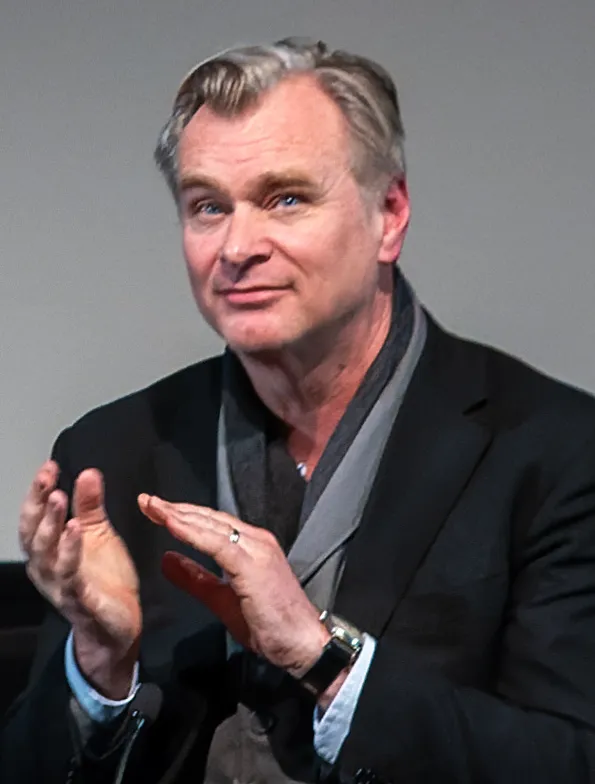 ProfileChristopher NolanFilmmaker
Related
Randy Quaid Slams Anne Hathaway Casting in Days of Thunder Sequel
Randy Quaid, who appeared in the original 1990 film, took to X to demand Nicole Kidman's return and dismiss the Hathaway announcement.

Eva Mendes' 'de Gosling' Tattoo Is the Only One She's Ever Wanted
Eva Mendes is showing off her wrist tattoo again — a small but meaningful piece of ink that carries a deep cultural significance.
Steven Spielberg's 'War of the Worlds' Returns to Streaming Amid Debate
Steven Spielberg's 'War of the Worlds' is hitting HBO Max next month, reigniting discussions on its mixed reception.