Poltergeist Returns to Streaming — and So Does Its Greatest Mystery

The 1982 supernatural horror film is back on HBO Max, reigniting a four-decade debate over who truly directed it: Tobe Hooper or Steven Spielberg.
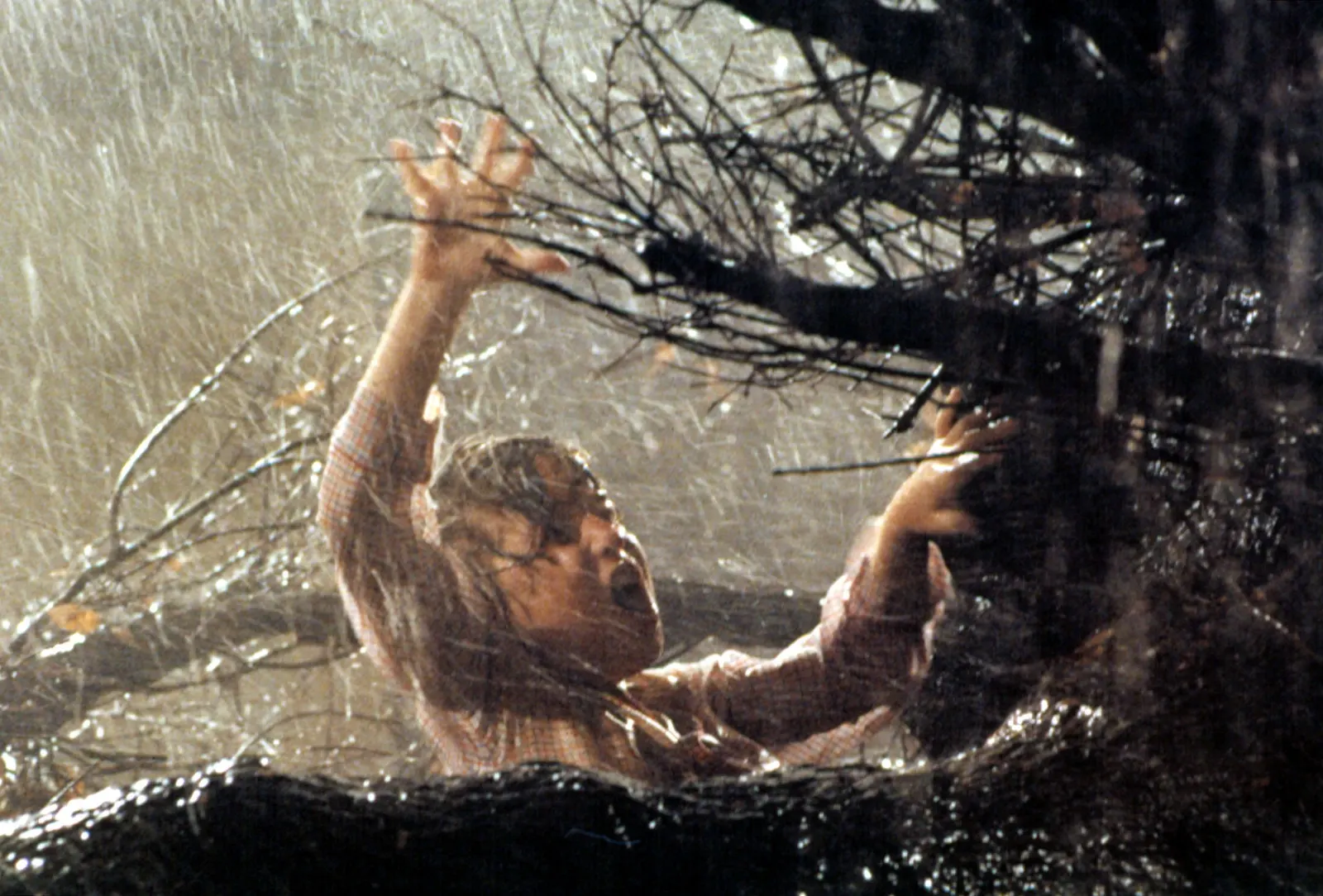
Few films in Hollywood history carry as much authorial ambiguity as Poltergeist, the 1982 supernatural thriller that has quietly tormented film scholars, cinephiles, and casual viewers alike with a question that may never have a clean answer: who actually made this movie? Now that the film has returned to HBO Max, that conversation is heating up all over again.
A Ghost Story With a Complicated Pedigree
On paper, Poltergeist is a Tobe Hooper film. The director, whose reputation was built on the raw, merciless terror of The Texas Chain Saw Massacre, received sole directorial credit on the picture. The story centers on the Freeling family — an ordinary suburban household rattled by increasingly terrifying paranormal events, culminating in the disappearance of their youngest daughter, Carol Anne, played by Heather O'Rourke, through a dimensional portal that opens inside her bedroom closet. It is, in its bones, a classic haunted-house narrative elevated by craft and resources.
But Steven Spielberg's fingerprints are visible everywhere. He produced the film, co-wrote the screenplay, and by multiple accounts was a near-constant presence on set — a creative force difficult to distinguish from a director in practice, if not in title. As Polygon originally reported, camera assistant John Leonetti has stated flatly that Spielberg was the one calling the shots, while lead actors JoBeth Williams and Craig T. Nelson acknowledged Hooper as their director but conceded that Spielberg's involvement went well beyond conventional producing.
The Origins of the Conflict
The roots of the dispute stretch back to Spielberg's post-Close Encounters ambitions. He had developed a darker project called Night Skies — essentially a horror inversion of the alien-contact premise, in which extraterrestrials terrorize a rural family rather than inspire wonder. That concept was eventually softened and transformed into E.T. the Extra-Terrestrial, but Spielberg hadn't entirely let go of its darker DNA. He brought Hooper into the fold, and what emerged from that collaboration — however unevenly shared — became Poltergeist.
Hooper has maintained that he independently conceived the ghost-story framework, while others suggest the project evolved directly from Night Skies with supernatural entities standing in for aliens. Regardless of origin, both directors were simultaneously active in 1982: Hooper nominally at the helm of Poltergeist, Spielberg finishing E.T. on a separate production. That Spielberg was still appearing regularly on the Poltergeist set speaks to an investment that exceeded standard producer oversight.
Style as Evidence
The film itself may be the most persuasive argument that both men shaped it meaningfully. The domestic warmth of the Freeling household — the way the film makes you genuinely invested in this family before systematically dismantling their world — carries the emotional architecture that defines Spielberg's best work. Anyone familiar with his ability to ground spectacle in human stakes will recognize the sensibility.
Yet certain sequences feel unmistakably like Hooper's work: a paranormal investigator peeling away his own face in a bathroom mirror, or a character plunging into a muddy pit filled with skeletal remains. These are visceral, unmediated shocks — closer in spirit to Chain Saw than anything in Spielberg's solo filmography. The film's tension, meanwhile, is something both directors understood intuitively. Hooper demonstrated it in the slow-burning first act of The Texas Chain Saw Massacre; Spielberg had already made it an art form in Jaws.
Spielberg himself told the Los Angeles Times in 1982 that Hooper was not "a take-charge sort of guy" and that he often stepped in to answer questions when direction was needed — a quote that is generous in tone but damaging in implication. The Directors Guild investigated and concluded that the studio had undermined Hooper's credited role; MGM and United Artists were fined $15,000 for prioritizing Spielberg's name in promotional materials.
A Collaboration Without a Credit
It is perhaps telling that Spielberg has repeatedly attracted this kind of gravitational controversy — a filmmaker so dominant in his era that his presence warps the perceived authorship of everything around him. The most honest reading of Poltergeist is probably also the least satisfying: it was a genuine, if unequal, collaboration between two directors with complementary strengths, one of whom happened to be the most commercially successful filmmaker alive at the time.
Had the credits reflected that reality, the film might be remembered simply as a remarkable genre hybrid. Instead, it endures as one of cinema's great unsolved arguments — and one of the finest horror films of the 1980s, regardless of who deserves the trophy.
Related on Ni4o: Saving Private Ryan Now Streaming: A Deep Dive into Spielberg’s Masterpiece
 ProfileSteven SpielbergDirector & producer
Related
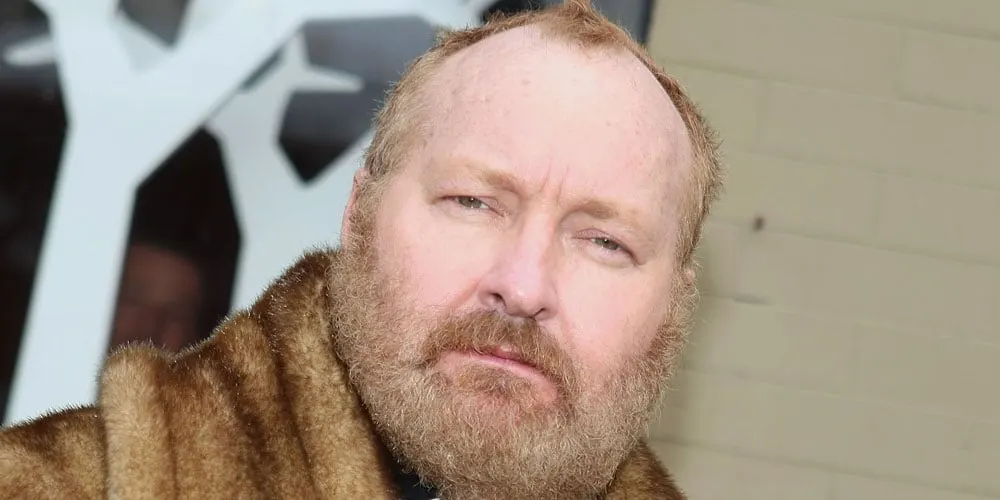
Randy Quaid Slams Anne Hathaway Casting in Days of Thunder Sequel
Randy Quaid, who appeared in the original 1990 film, took to X to demand Nicole Kidman's return and dismiss the Hathaway announcement.

Eva Mendes' 'de Gosling' Tattoo Is the Only One She's Ever Wanted
Eva Mendes is showing off her wrist tattoo again — a small but meaningful piece of ink that carries a deep cultural significance.
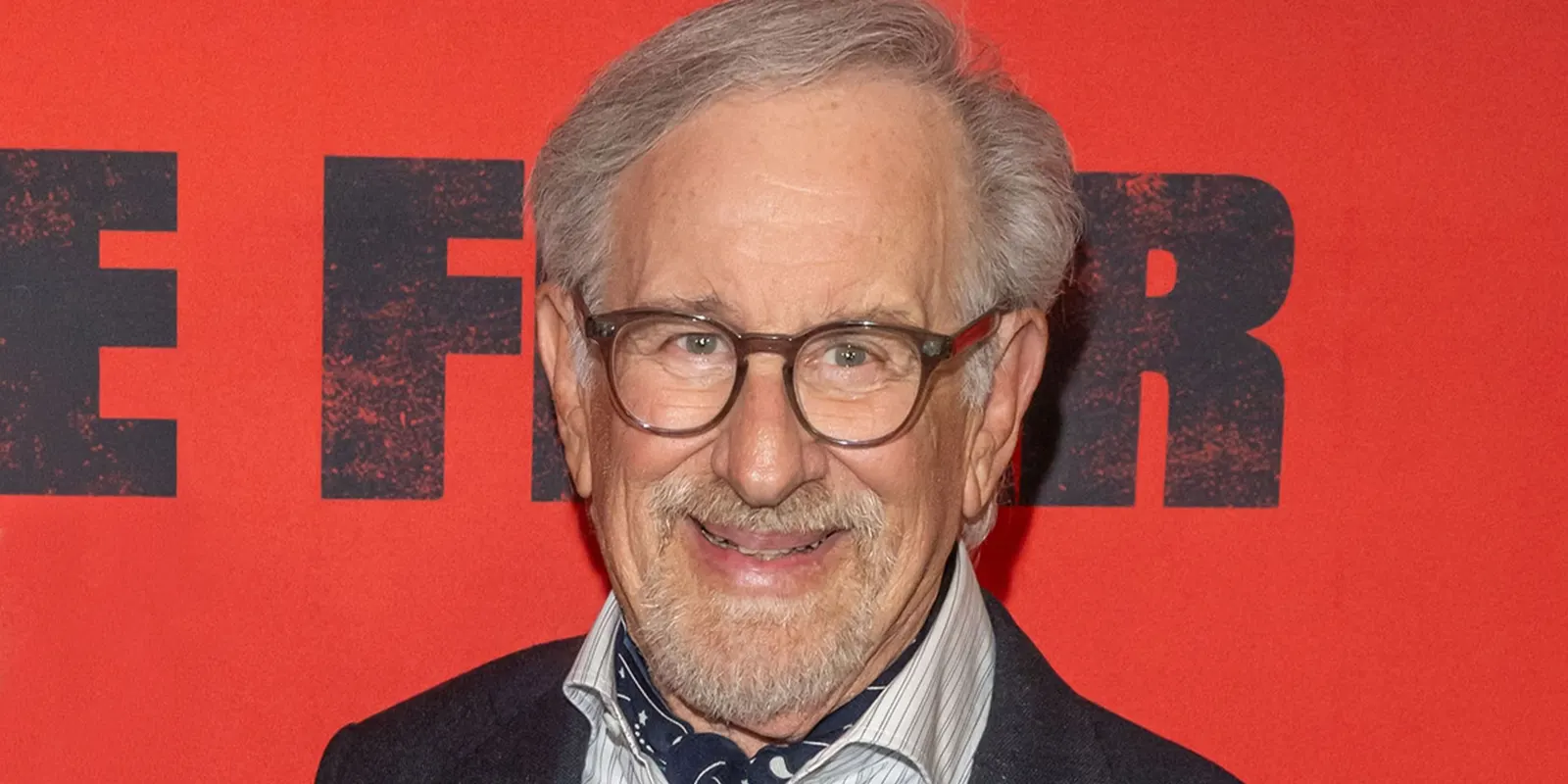
Steven Spielberg's 'War of the Worlds' Returns to Streaming Amid Debate
Steven Spielberg's 'War of the Worlds' is hitting HBO Max next month, reigniting discussions on its mixed reception.