Pavel Durov Slams India's Telegram Ban Over Exam Leaks

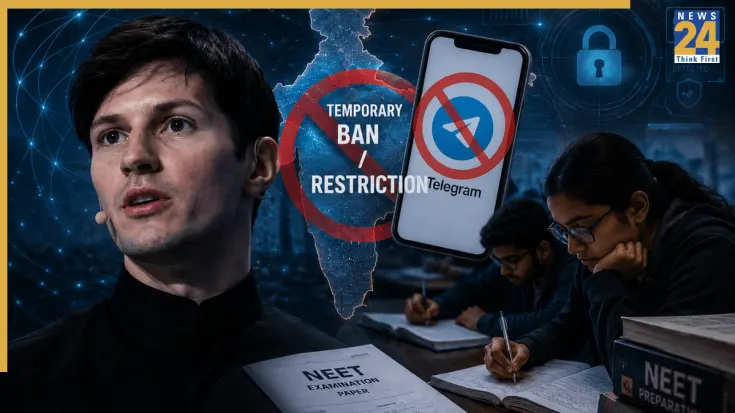
Telegram founder Pavel Durov branded India's temporary ban of the app collective punishment of more than 150 million users over leaked medical-exam papers.
A block timed to a high-stakes exam
Telegram founder Pavel Durov has come out swinging against India's decision to temporarily restrict his messaging app in the run-up to the NEET UG 2026 re-examination. As reported by News24, Indian authorities pulled the trigger on the block to stem a flood of fake question papers and exam-fraud schemes swirling around the country's marquee medical-entrance test.
The NEET exam is one of the most consequential in India, deciding which of millions of hopefuls win coveted seats in medical colleges. That intensity has long made it a magnet for cheating rackets, and officials say Telegram channels had become a hub for the latest round. The government pointed to fraudulent channels with names like "PAPER LEAKED NEET" and "REE NEET MAFIAA" that solicited payments in exchange for supposedly leaked materials. India is also one of Telegram's largest markets, home to more than 150 million users.
'This punishes ordinary users'
Durov's central objection is that the ban hits the wrong people. He argued the move penalizes the public rather than the culprits. "This punishes 150M+ ordinary Telegram users in India, not the insiders who leaked the exam materials," he said, according to News24.
He also dismissed the block as ineffective, insisting it failed at its own stated goal. "And the ban hasn't stopped anything. The leaks just moved to other apps," Durov added, making the case that switching off one platform does little to deter determined bad actors while severing a vital communication tool for everyone else.
His argument boils down to a few points:
- The restriction lands on 150 million-plus ordinary users, not on the people who actually leaked the papers.
- Blocking Telegram did not halt the leaks, which simply migrated to rival apps.
- India ranks among Telegram's biggest markets anywhere in the world.
The implication, in Durov's framing, is that the leakers are insiders with access to the real materials - a problem no app ban can solve, since the breach happens long before anything reaches a chat.
A recurring fight over free speech
The outburst slots neatly into a theme Durov has hammered throughout June, positioning himself as a defender of digital freedom against what he describes as mounting government pressure on communication platforms. In recent public appearances he has repeatedly warned about censorship and surveillance, drawing little distinction between authoritarian regimes and democracies when it comes to demands placed on messaging services.
That stance is not new for Telegram, which has built much of its identity around minimal moderation and resistance to state control - a posture that wins it loyal users and just as reliably puts it on a collision course with regulators. The platform has faced bans, threats, and legal scrutiny in multiple countries, and Durov himself has been at the center of high-profile clashes over how far a platform should go in policing its users.
The wider tension
The India episode crystallizes the bind Telegram keeps finding itself in. Governments lean on the app to crack down on harmful content, from exam fraud to far more serious abuses, and when it does not move fast enough, they reach for the bluntest instrument available: a nationwide block. Durov, for his part, keeps returning to the same retort - that broad bans amount to collective punishment, scoop up millions of innocent users, and leave the underlying problem untouched. As long as that gap between enforcement and effectiveness persists, the standoff between Telegram and the world's regulators shows little sign of easing.
Related on Ni4o: Modi Welcomes Amazon's Record $48 Billion India Investment · Nadella Bets on a 33-Year-Old Exec to Fix Copilot · PewDiePie's Odysseus Turns Local AI Into a Real Workspace
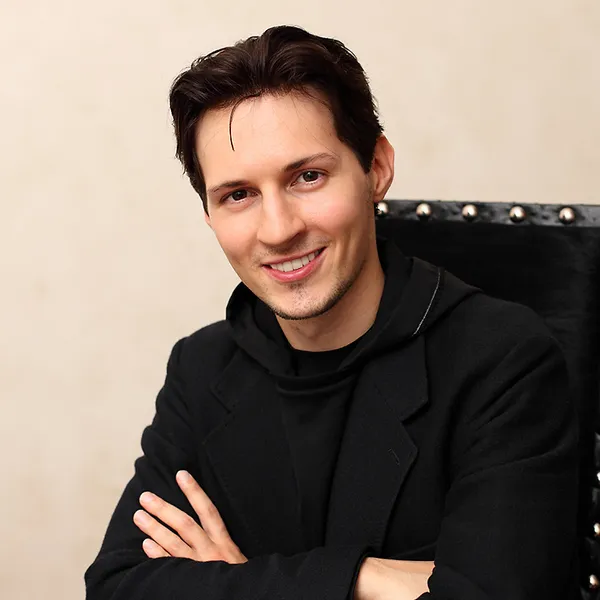 ProfilePavel DurovFounder of Telegram and VK
Related
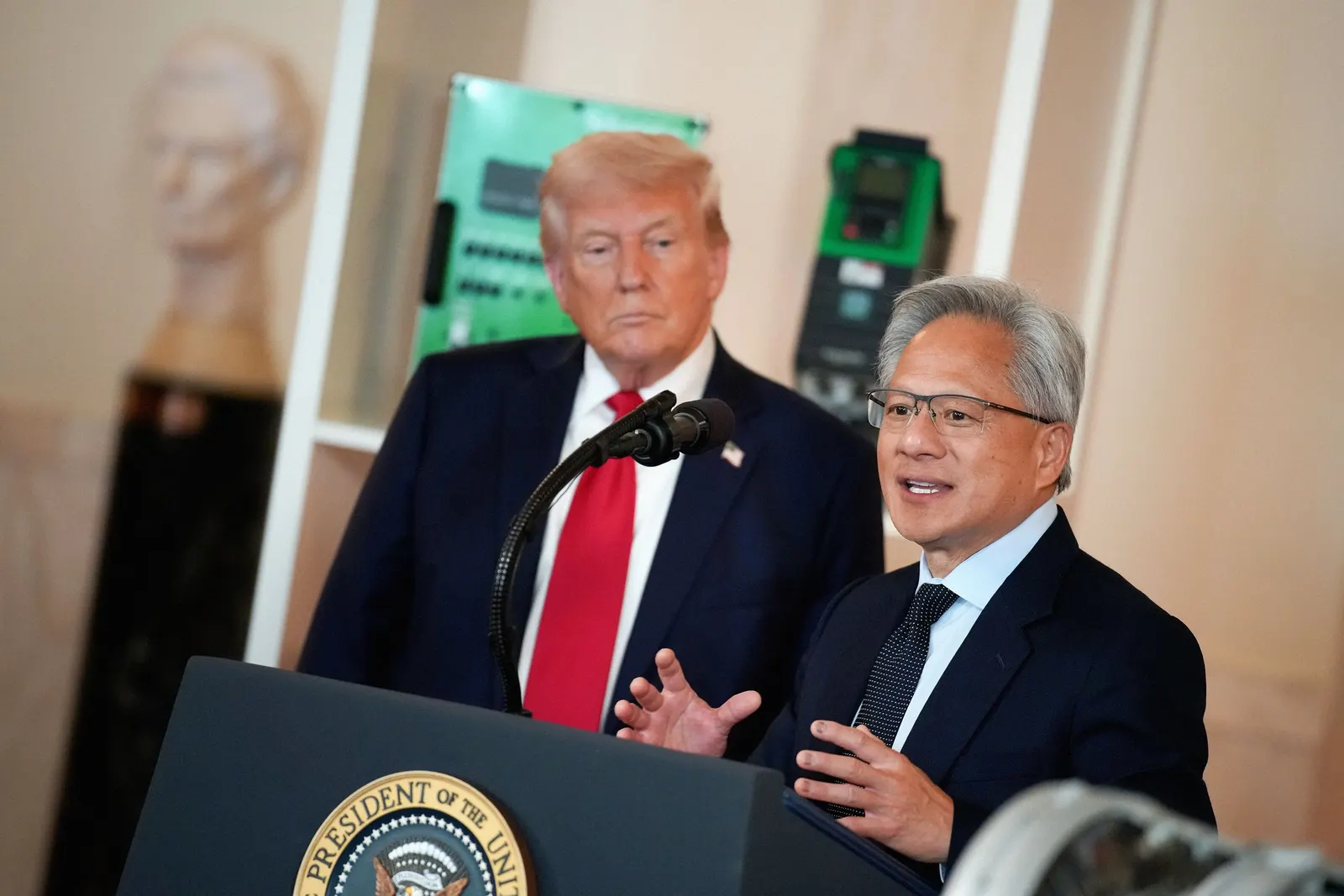
Jensen Huang's Call from Trump Disrupts Nvidia's All-Hands Meeting
During Nvidia's recent all-hands meeting, CEO Jensen Huang received an unexpected call from Donald Trump, sparking employee buzz about its implications.
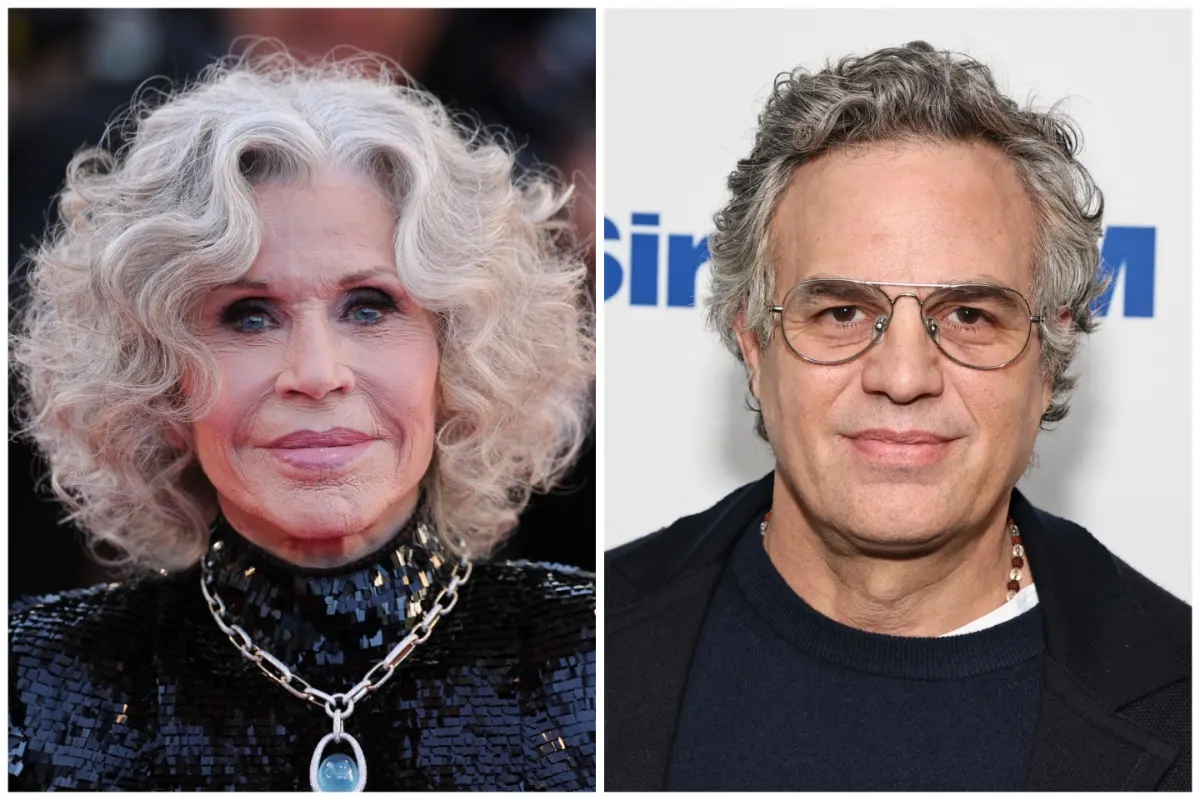
Jane Fonda Supports Mark Ruffalo Amid Controversy Over Antisemitism Claims
Jane Fonda stands by Mark Ruffalo after he was labeled antisemitic by Paramount for criticizing Larry Ellison's ties to Israel and a major merger.
Mark Ruffalo Ties Oracle's Military Tech to Paramount Deal, Studio Fires Back
The Hulk actor linked Larry Ellison's Oracle to Israel's military operations, prompting an unusual public response from Paramount calling the remarks antisemitic.