Pamela Anderson Opens Up About Hepatitis C Diagnosis: 'A Death Sentence'

At the 2026 amfAR Gala Venezia, Pamela Anderson spoke with rare candor about her late-1990s diagnosis and the decade-long shadow it cast over her life.
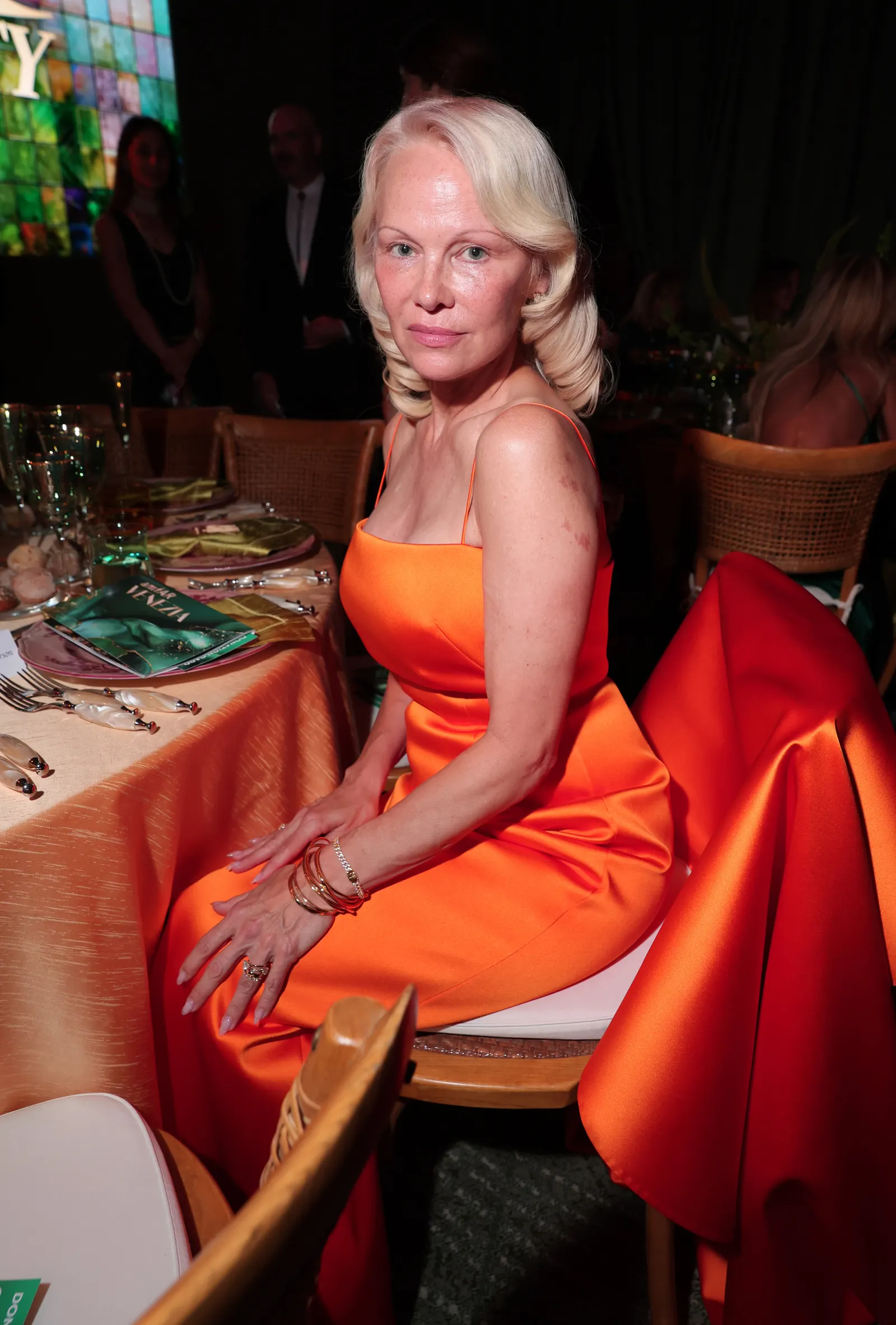
Few celebrity confessionals carry the weight of genuine reckoning, but Pamela Anderson's address at the 2026 amfAR Gala Venezia in Venice, Italy, was precisely that — a measured, unsentimental account of a private health crisis that quietly shaped one of pop culture's most scrutinized lives. The remarks, reported by Page Six, offered a dimension of Anderson's story that tabloid coverage rarely troubled itself to explore.
A Diagnosis With No Exit
In the late 1990s, Anderson received a hepatitis C diagnosis at a moment when medical science offered patients little beyond a grim prognosis. There was no approved cure at the time, and her physician delivered the news with clinical bluntness: she likely had around ten years to live. "It was a death sentence," Anderson told the assembled crowd at the annual fundraiser, which benefits medical research and is dedicated to ending AIDS. She was in her early thirties, newly navigating the end of her marriage to Mötley Crüe drummer Tommy Lee, and suddenly confronting her own mortality with two young sons — Brandon Thomas, now 30, and Dylan Jagger, now 28 — at home.
Anderson has previously acknowledged that she and Lee contracted the virus through a shared tattoo needle during their marriage, which lasted from 1995 to 1998. The disclosure, first made publicly in 2002, arrived during a period when stigma around hepatitis C was acute, compounding an already isolating experience.
The Weight of Shame
What makes Anderson's Venice remarks particularly striking is her articulation of the psychological residue the diagnosis left behind, even after she was medically cleared. Antiviral medications capable of curing hepatitis C received approval beginning in 2011, and Anderson underwent treatment that rendered her disease-free by 2015 — though she noted the financial cost was staggering, depleting virtually her entire savings. Yet the physical cure, she explained, did not dissolve the interior damage.
"The experience of shame and guilt," she told the gala crowd, "was also an unconscious journey" that continues to haunt her. She connected that feeling explicitly to childhood sexual abuse she has spoken about previously, describing how both experiences made her feel like — in her words — "damaged goods," a self-perception she admitted she then projected outward into her public persona. It is a candid piece of self-analysis that recontextualizes much of the career far deeper than the headlines critics are only now beginning to fully appreciate.
Victor, Not Victim
Anderson was honored at the event with the Award of Courage, a distinction that, given the full arc of her story, feels entirely apt. But what distinguished her remarks from a conventional awards-night testimonial was the deliberate refusal of victimhood as a narrative framework. "I'm a victor," she said plainly. "I am strong and capable, more now than I could ever dream of. I'm not the damsel in distress, no matter how easy that role is to play."
That resistance to easy categorization has increasingly defined Anderson's public identity in recent years. Her acclaimed turn in The Last Showgirl demonstrated that she possesses genuine dramatic range — a fact that surprised many observers who had reduced her to her Baywatch iconography. She has also committed to ambitious new projects like Rosebush Pruning, a dark comedy that signals she is actively choosing material that challenges rather than flatters expectations.
A Legacy Reconsidered
Anderson's Venice speech arrives at a cultural moment when the industry is genuinely reconsidering the treatment she received during the height of her fame — the voyeurism, the reductive coverage, the ways in which her very real personal struggles were transformed into entertainment. What she described at amfAR is a woman who absorbed those pressures, navigated a life-threatening illness largely out of public view, and emerged with a clarity of self that her earlier years never permitted. That is, by any measure, a compelling second act.
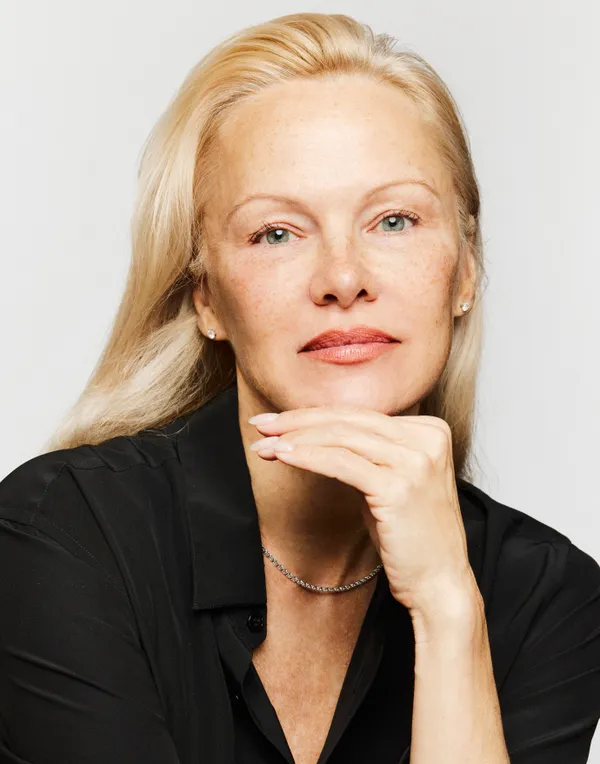 ProfilePamela AndersonActress & model
Related
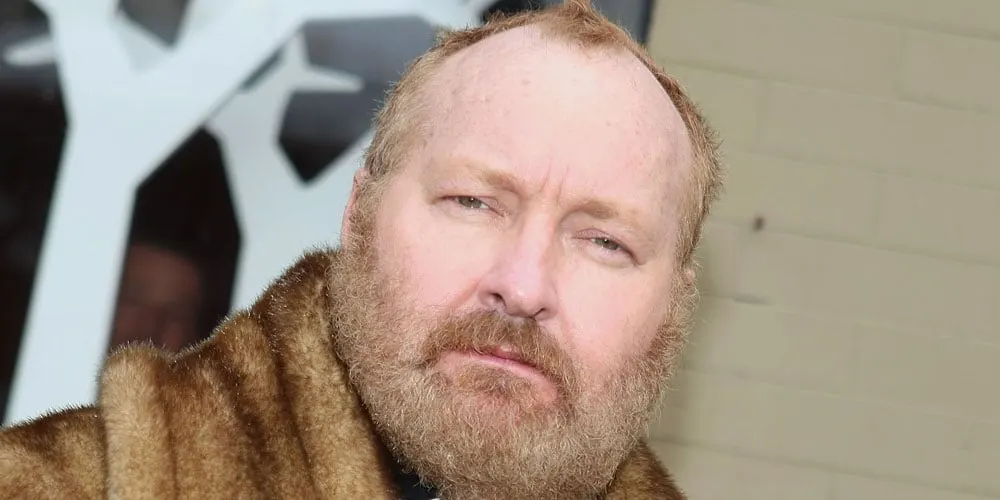
Randy Quaid Slams Anne Hathaway Casting in Days of Thunder Sequel
Randy Quaid, who appeared in the original 1990 film, took to X to demand Nicole Kidman's return and dismiss the Hathaway announcement.
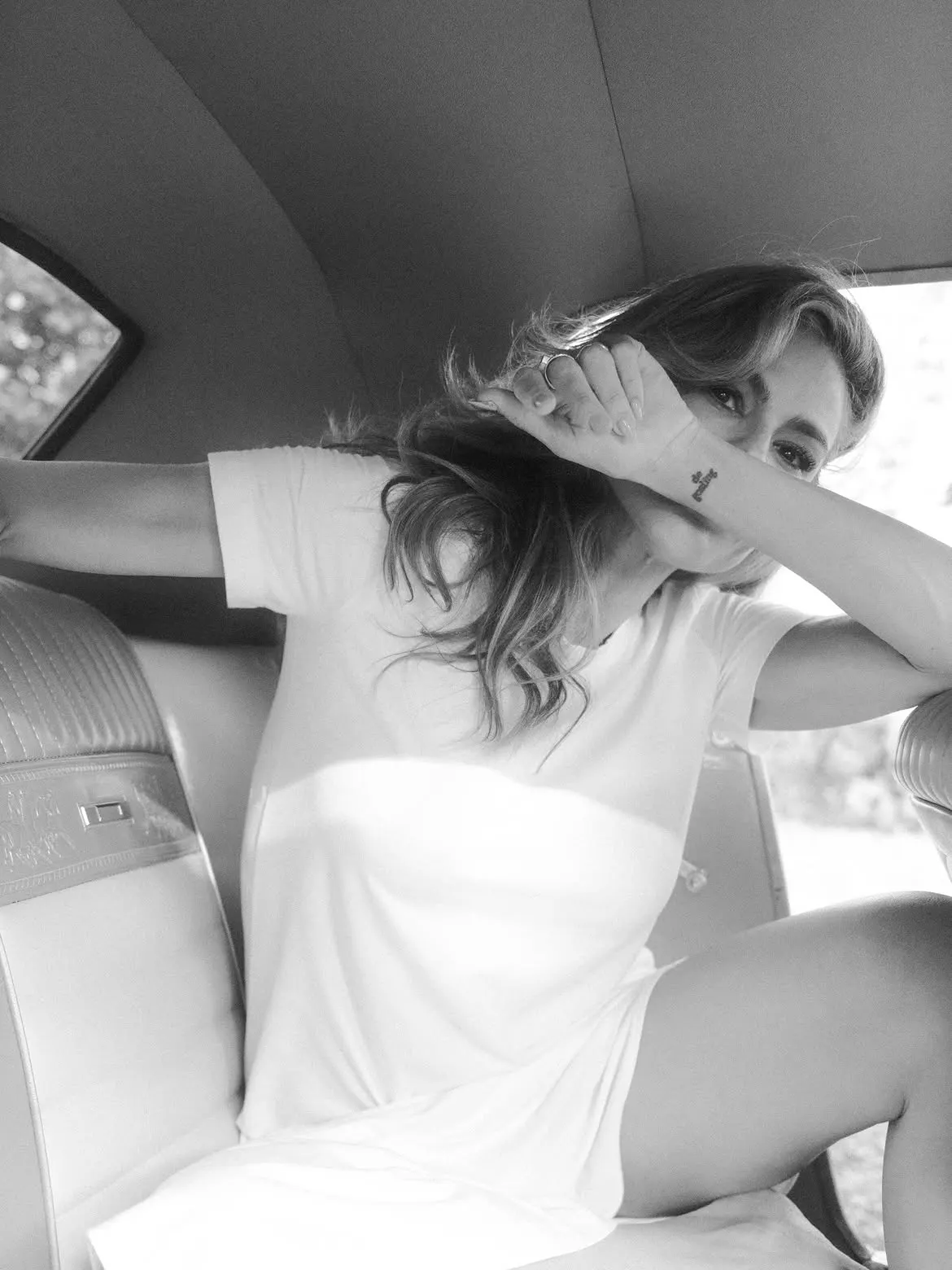
Eva Mendes' 'de Gosling' Tattoo Is the Only One She's Ever Wanted
Eva Mendes is showing off her wrist tattoo again — a small but meaningful piece of ink that carries a deep cultural significance.
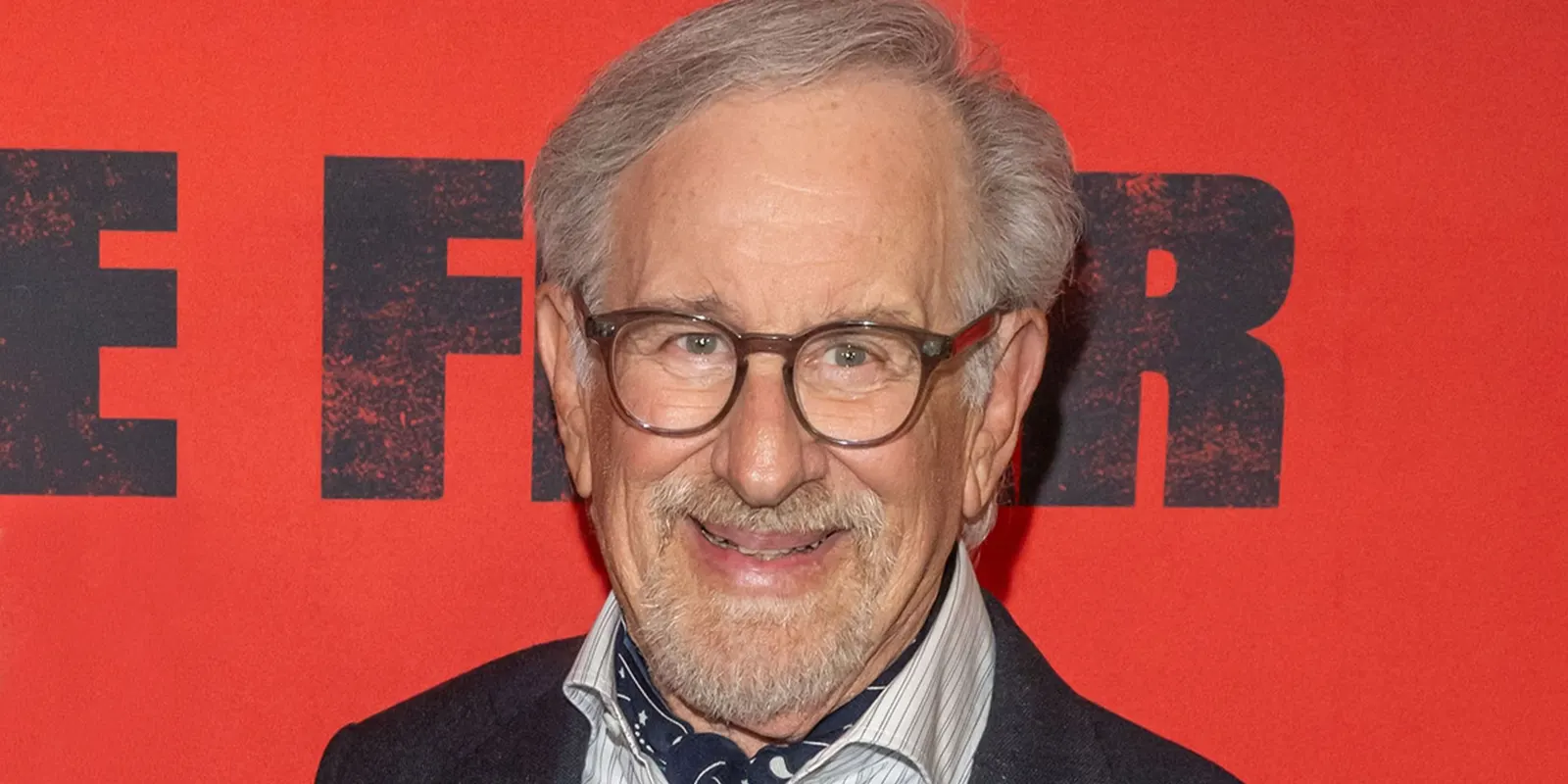
Steven Spielberg's 'War of the Worlds' Returns to Streaming Amid Debate
Steven Spielberg's 'War of the Worlds' is hitting HBO Max next month, reigniting discussions on its mixed reception.