Nvidia's Interim CEO Holds the Line on Open Source AI After Huang's Exit

Colette Kress used Nvidia's first post-Huang earnings call to reassure developers that the company's open source commitments aren't going anywhere.
Nvidia's first earnings call without Jensen Huang at the helm was always going to draw scrutiny. Interim CEO Colette Kress used it to send a clear message: the company's open source AI strategy isn't changing, and the planned Hugging Face acquisition is still on track.
What Kress Actually Said
Kress opened the call by framing open source AI as a core part of Nvidia's business model, not just a talking point. "At Nvidia, we are committed to fostering a vibrant open model ecosystem, so every country, company, and industry can build its own intelligence," she said, according to TechCrunch. She backed that up with some concrete numbers — weekly token volume on OpenRouter grew 35 times year over year, with a 3.5-fold jump in just the past three months. Those figures suggest real developer adoption, not just marketing enthusiasm.
She also pointed to Nemotron, Nvidia's family of open-weight AI models designed for agentic and reasoning workloads, calling it the most widely used U.S. open model on OpenRouter. That's notable because Nemotron was a project Huang personally championed. Its continued prominence suggests the initiative has enough internal momentum to survive a leadership change.
The Hugging Face Deal Isn't Dead
One of the bigger questions hanging over the call was whether Nvidia's $12.9 billion deal to acquire Hugging Face — which would rank as the second-largest acquisition in the company's history — would get quietly shelved after Huang's departure. It won't, at least not based on what Kress said. She described the platform, which serves more than 18 million developers and 200,000 companies, as a vehicle to "make intelligence more open, more capable, and more accessible."
The acquisition wasn't brought up during the Q&A portion of the call, which is a bit odd given its size and the circumstances. But the lack of pushback from analysts might reflect the fact that the deal's strategic logic holds regardless of who's running the company.
Why Huang's Departure Raised These Questions
Huang resigned last week following reporting about extramarital affairs, including one involving an executive at Singapore-based Megaspeed who is suspected of having ties to Chinese intelligence. You can get more background on that situation in our coverage of China's alleged espionage targeting Nvidia's Jensen Huang. He's also expected to testify before Congress, and the SEC is separately investigating whether Nvidia's disclosures to investors were misleading.
For more on how Nvidia handled the internal fallout, see our piece on how Nvidia CEO Jensen Huang addresses personal scandal amid investigation.
Huang had been one of open source AI's more vocal advocates at the executive level. When Hugging Face's CEO called his departure "a sad day" and vowed to keep fighting for open-source AI, it underscored just how closely Huang's personal brand had become tied to that cause. Some developers were reasonably worried that without him, Nvidia might drift toward a more closed, proprietary approach — especially given the revenue pressure a public company faces.
Does This Actually Settle Anything?
One earnings call doesn't lock in a strategy permanently. Kress is interim CEO, which means there's still a leadership transition ahead, and whoever takes the permanent role will ultimately shape how seriously Nvidia pursues open source AI over the long term. It's also worth remembering that Huang's advocacy for self-regulation in AI safety was part of a broader philosophy that may not transfer automatically to new leadership.
That said, the Hugging Face deal creates a structural commitment that's harder to walk back than a strategy slide. If Nvidia closes that acquisition, it owns a platform built entirely around open model distribution. Reversing course on open source after that would be a pretty costly contradiction.
For now, the message from Nvidia is straightforward: same direction, different driver.
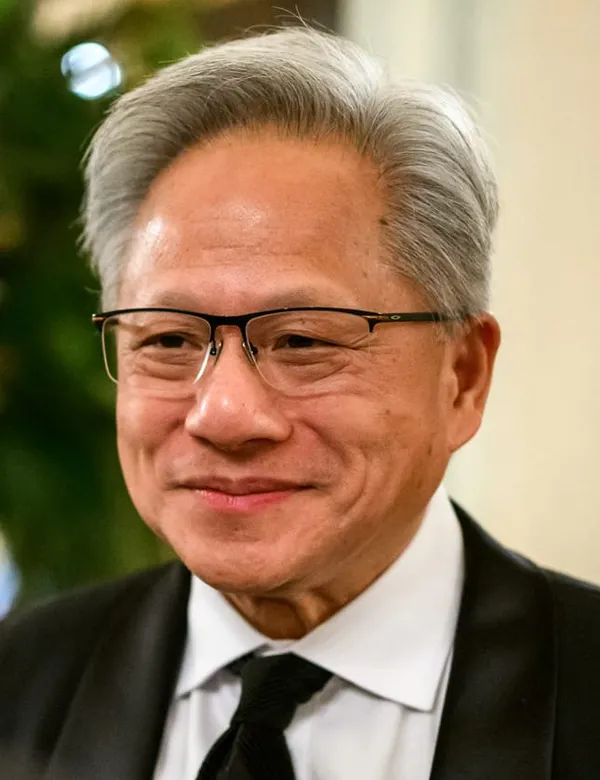 ProfileJensen HuangCo-founder and CEO of Nvidia
Related
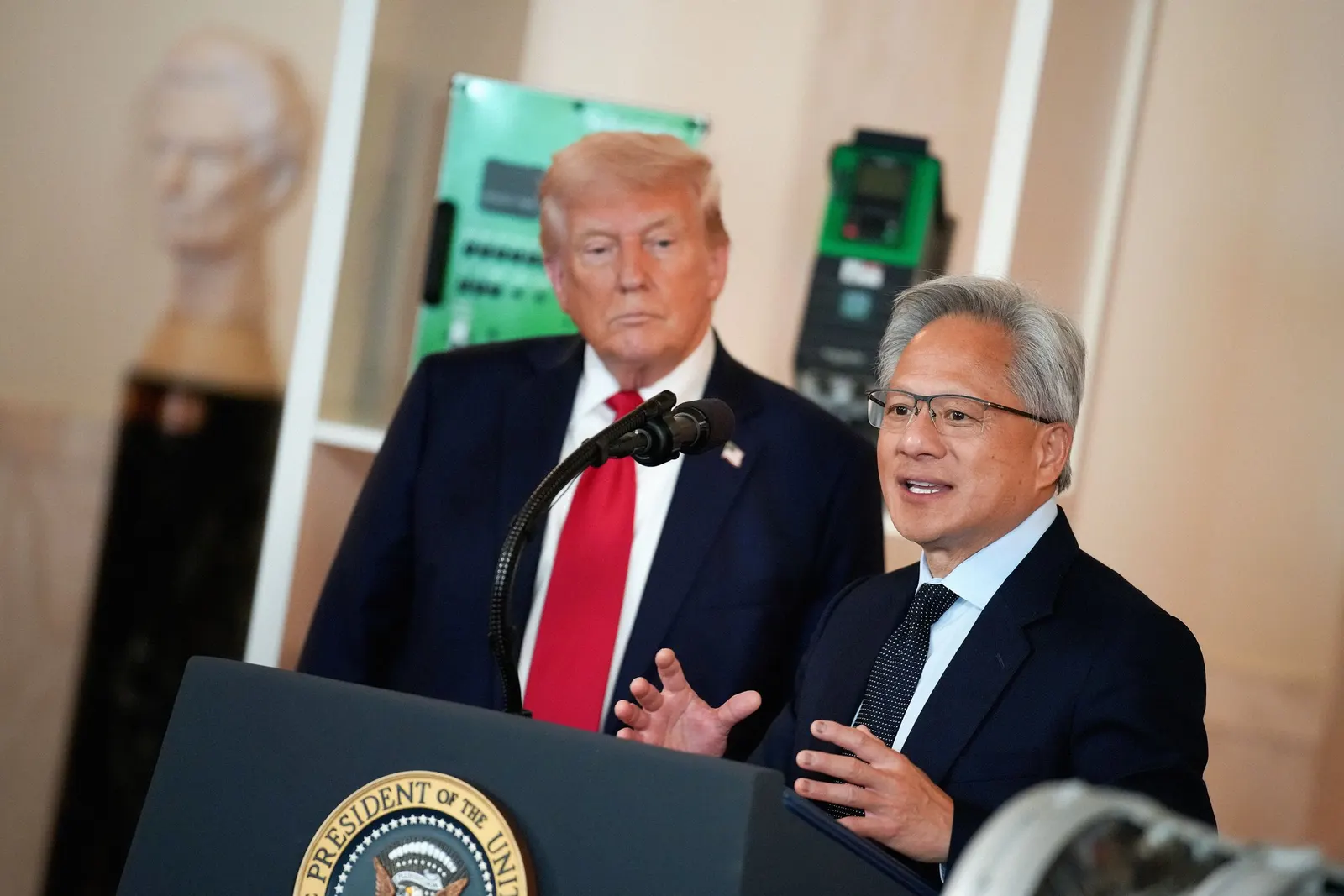
Jensen Huang's Call from Trump Disrupts Nvidia's All-Hands Meeting
During Nvidia's recent all-hands meeting, CEO Jensen Huang received an unexpected call from Donald Trump, sparking employee buzz about its implications.
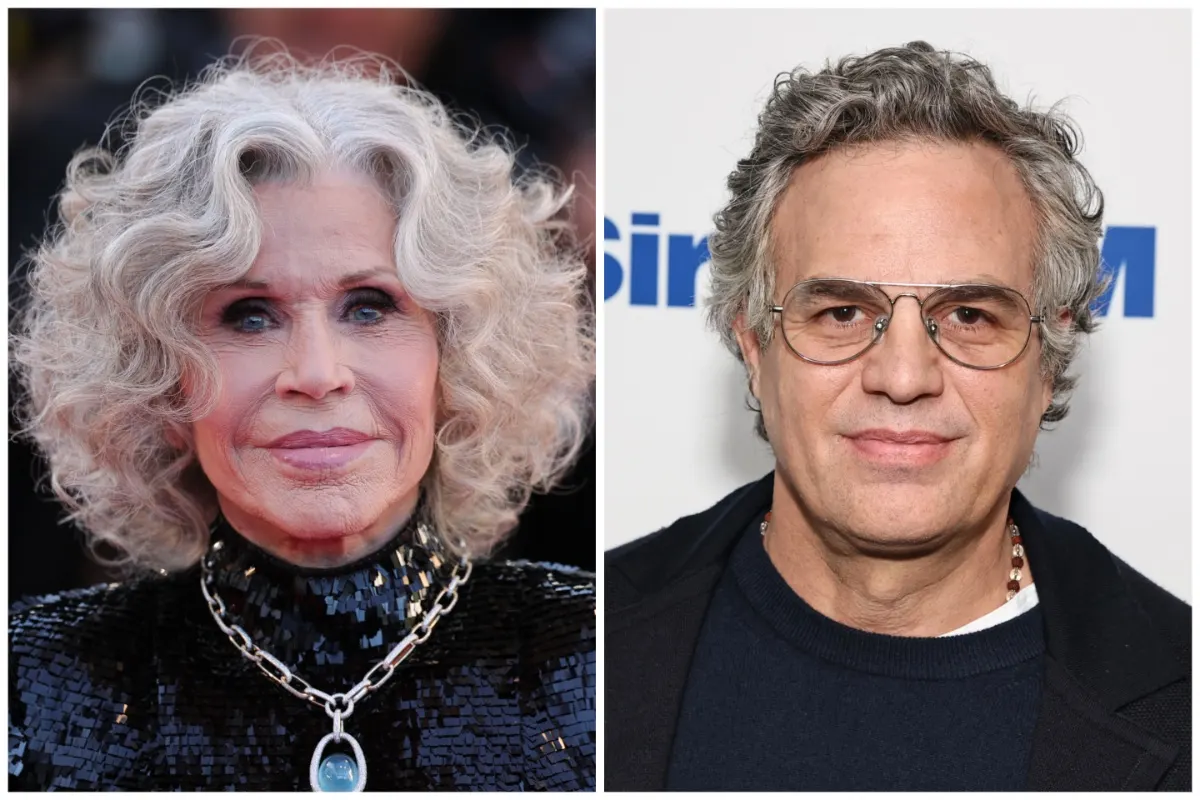
Jane Fonda Supports Mark Ruffalo Amid Controversy Over Antisemitism Claims
Jane Fonda stands by Mark Ruffalo after he was labeled antisemitic by Paramount for criticizing Larry Ellison's ties to Israel and a major merger.
Mark Ruffalo Ties Oracle's Military Tech to Paramount Deal, Studio Fires Back
The Hulk actor linked Larry Ellison's Oracle to Israel's military operations, prompting an unusual public response from Paramount calling the remarks antisemitic.