Mark Zuckerberg's Image Struggles Amidst Strong Meta Business Growth

Despite ongoing controversies and unpopularity, Meta's business continues to thrive, prompting questions about its resilience against backlash.

Mark Zuckerberg rarely shies away from the spotlight, but the Meta founder faces an uphill battle with his public perception. A recently released film paints him as a villain, yet the company's financial performance appears to defy the odds against negativity. This raises an important question: just how much does reputation matter in tech?
The Current Landscape for Meta
At Meta's annual product event, Zuckerberg delivered a keynote addressing the company's advancements in AI, including its new chatbot Muse and stylish smart glasses. Interestingly, despite these innovations, he avoided discussing two flagship products: Facebook and Instagram. This silence speaks volumes, especially considering the backdrop of legal controversies surrounding these platforms, which have been accused of contributing to youth addiction.
Meta has emerged as a $2 trillion company but not without challenges. Recent court cases have sought to hold the firm accountable for the alleged harms its platforms inflict on younger users. Audiences were quick to note the poignant absence of these discussions during Zuckerberg's address, as public trust in Meta has seriously eroded. A Pew Research study revealed that about two-thirds of Americans view Zuckerberg unfavorably.
Film Depicts Zuckerberg as a Villain
Adding to Zuckerberg's troubles, the release of The Social Reckoning, a film by screenwriter Aaron Sorkin, has depicted him as a corporate antagonist. With actor Jeremy Strong portraying Zuckerberg in a light that many reviews describe as villainous, the film underscores the scrutiny Meta faces regarding its responsibility towards young users. The parallels drawn between Meta and past corporate scandals likened to “Big Tobacco” highlight a growing sentiment of distrust amongst the public.
Scandals and Settlements
Much of the critical legal landscape involves serious allegations against Meta, including internal documents suggesting the company knowingly allowed its products to be addictive to children. Documents released in previous lawsuits have fueled concerns about the societal implications of social media usage.
For example, earlier this year, a California jury awarded $6 million to a 20-year-old claiming her mental health suffered due to Instagram use. Furthermore, New Mexico succeeded in a lawsuit on child safety, branding Meta as a "public nuisance" and levying nearly $1 billion in fines. Despite Meta's intention to appeal these judgments, its reputation continues to suffer.
User Engagement and Revenue
Surprisingly, amidst this negativity, Meta's numbers don't reflect a decline. Reports indicate that user engagement with significant platforms like Instagram and WhatsApp has actually increased by 3% year over year. Additionally, Meta’s second-quarter earnings this year show a 28% boost compared to the same period last year. This highlights a puzzling truth: while public sentiment towards Meta may be declining, its user base remains substantial and loyal.
Trust Issues Persist
Many industry experts argue that rebuilding trust after such a fall from grace is challenging. Alison Taylor, an associate professor at New York University, noted, "Once the public has stopped trusting you, it's kind of a downward spiral." The crisis of confidence poses a long-term risk for the company as it wrestles with its dual identity as a technological powerhouse and a societal target of skepticism.
Despite Meta's attempts to ease concerns — such as revising policies related to children's safety and agreeing to an $18 billion settlement — the trust deficit may be deeply rooted and difficult to reverse.
Looking Forward
As Meta continues to navigate these tumultuous waters, it’s worth reflecting on what this means for future tech companies. The question lingers: can heavy investment in AI solutions and innovative products outweigh a damaged reputation? While Zuckerberg pushes forward with intentions of pivoting toward safer technologies, the diverse reactions from lawmakers, consumers, and legal entities will likely shape the company's trajectory for years to come.
To explore more about Zuckerberg's initiatives and changes within Meta, check out articles like Zuckerberg Greenlights Meta Prediction Market App 'Arena' and Meta's AI Expansion: Zuckerberg Discusses Venture Beyond Advertising.
Related on Ni4o: Zuckerberg Greenlights Meta Prediction Market App 'Arena'
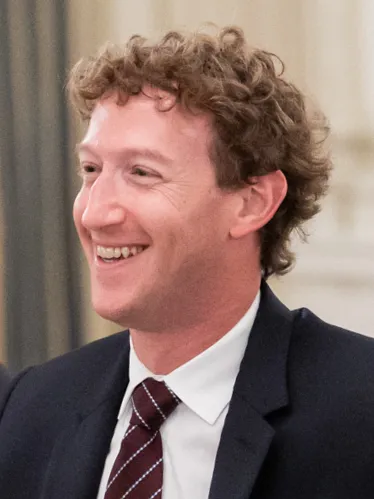 ProfileMark ZuckerbergCo-founder and CEO of Meta Platforms (Facebook)
Related

Jensen Huang's Call from Trump Disrupts Nvidia's All-Hands Meeting
During Nvidia's recent all-hands meeting, CEO Jensen Huang received an unexpected call from Donald Trump, sparking employee buzz about its implications.

Jane Fonda Supports Mark Ruffalo Amid Controversy Over Antisemitism Claims
Jane Fonda stands by Mark Ruffalo after he was labeled antisemitic by Paramount for criticizing Larry Ellison's ties to Israel and a major merger.

Mark Ruffalo Ties Oracle's Military Tech to Paramount Deal, Studio Fires Back
The Hulk actor linked Larry Ellison's Oracle to Israel's military operations, prompting an unusual public response from Paramount calling the remarks antisemitic.