Kylie Minogue's Music Was Used to Train AI — Without a Single Cent Paid

The global music publishers' body says AI firms have already scraped Kylie Minogue's catalogue to train their models, and Australia may let them keep doing it.

Kylie Minogue's back catalogue has been feeding artificial intelligence — and nobody asked her permission or wrote her a cheque. According to The Guardian World, the International Confederation of Music Publishers (ICMP) has revealed that AI systems have already been trained on works by Minogue, Nick Cave, and other Australian artists without any compensation, igniting a fierce debate over whether Australia is about to hand tech giants a gift no other country has been willing to give.
The Evidence Is in the Lyrics
The ICMP — the heavyweight body that represents Sony, Warner, Universal, and thousands of independent publishers across six continents — didn't just make accusations. It brought receipts. When tested, Google's Gemini was able to reproduce lyrics from Minogue, G-Flip, and Nick Cave, directly undermining the AI industry's long-standing claim that Australian copyright rules prevent local content from entering training pipelines. A separate dataset flagged by the ICMP reportedly contains more than 12 million songs harvested from YouTube videos — Minogue's tracks among them — assembled via spreadsheets with millions of individual music entries.
For a pop icon whose cross-genre appeal keeps generating new audiences — she's still dropping heat, as fans of her Madonna collaboration on 'Love Sensation' can attest — the idea that her work is being quietly strip-mined by algorithms is both personal and industry-wide.
'Legitimising Larceny'
ICMP managing director John Phelan did not mince words. He accused AI companies of asking policymakers to "legitimise larceny" and described a pressure campaign in which tech firms imply that unless copyright laws are softened, investment in Australia will dry up. Phelan says the tactic is a bluff — a calculated squeeze play — and that 61 other countries have been approached with the same pitch and every single one has refused to bite. Not one nation among that group has introduced a new commercial text-and-data-mining exemption or diluted exclusive rights protections.
The irony is sharp: Prime Minister Anthony Albanese himself called unauthorised AI training "theft" back in July, pledging that artists must retain control and be fairly paid. Yet a parliamentary committee on AI appeared to revisit the topic this week, with its Labor chair and Liberal deputy chair jointly recommending the government "examine current copyright settings" — language that has alarmed creative industries across music, film, and news.
A Political Tug-of-War
The parliamentary drama has its own subplot. Independent senator David Pocock raised eyebrows after staffer edits were spotted in the joint committee letter to the prime minister, suggesting the final position may have been shaped from above. Committee chair Jo Briskey has denied any impropriety, but the episode has added a layer of political intrigue to what is already a high-stakes policy fight.
Representatives from Anthropic and OpenAI appeared before the committee last week, framing AI training as analogous to human learning — studying what's freely visible online — and arguing that existing Australian law could classify their standard operations as illegal without a legislative carve-out. It's an argument that artists and rights holders find deeply unconvincing, and one that SZA, for one, has called out directly, slamming AI music tools as exploitative.
What's at Stake for Artists
The ICMP's warning is stark: if Australia opens the door, the global creative economy will feel it. A government-mandated scheme or a backdoor legislative fix would, Phelan argues, ripple outward and undermine how Australian artists contract and license their work internationally. The music publishing world — and film, media, and news organisations alongside it — is watching Canberra closely.
For Kylie Minogue, whose career has been built on meticulous reinvention and artistic control, the notion that her voice, her melodies, and her decades of craft are being fed into a machine without consent isn't just a copyright issue. It's a question of who gets to own the future of music — and whether the artists who built it will have any say at all.
Related on Ni4o: Madonna and Kylie Minogue Drop Dazzling Remixes of 'Love Sensation'
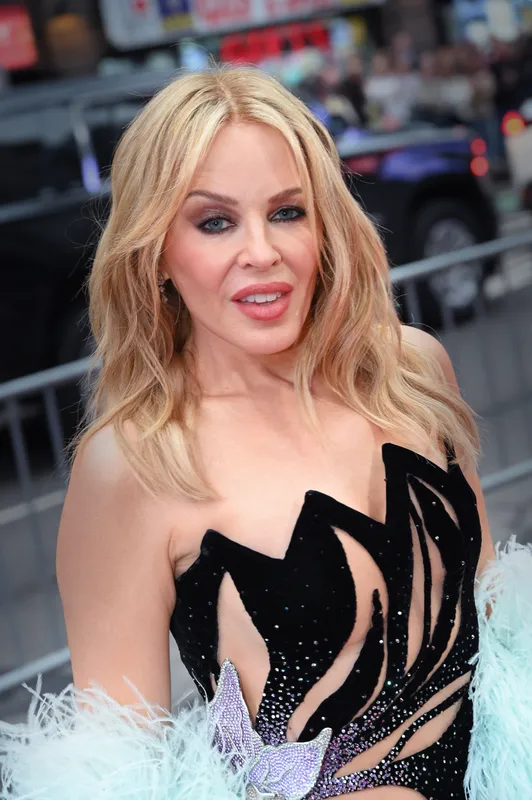 ProfileKylie MinogueSinger
Related
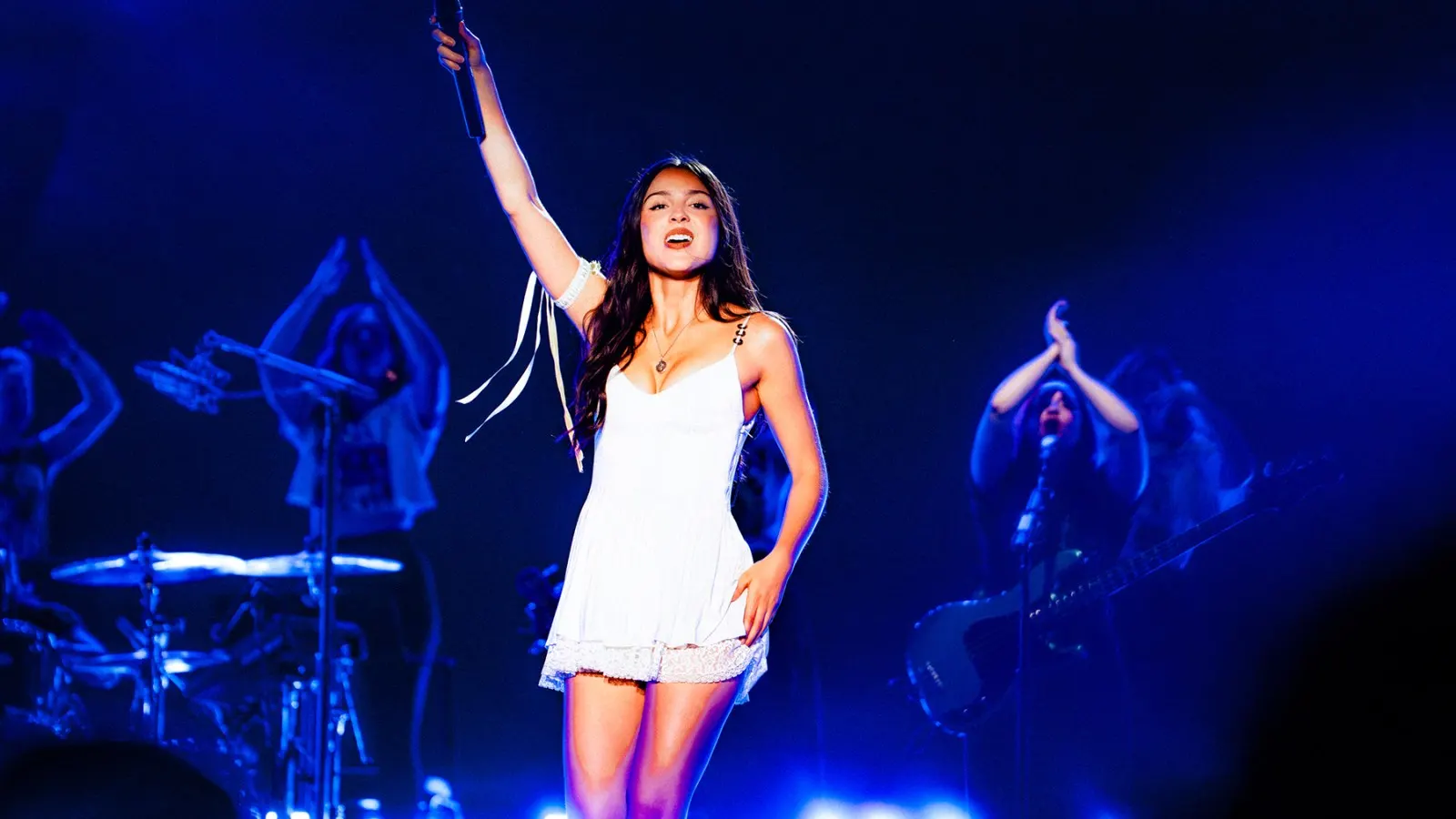
Olivia Rodrigo's Daisy Chain Fields Festival: A Celebration of Music and Purpose
The Daisy Chain Fields Festival, headlined by Olivia Rodrigo, united fans and nonprofits in a joyous celebration of women and music.
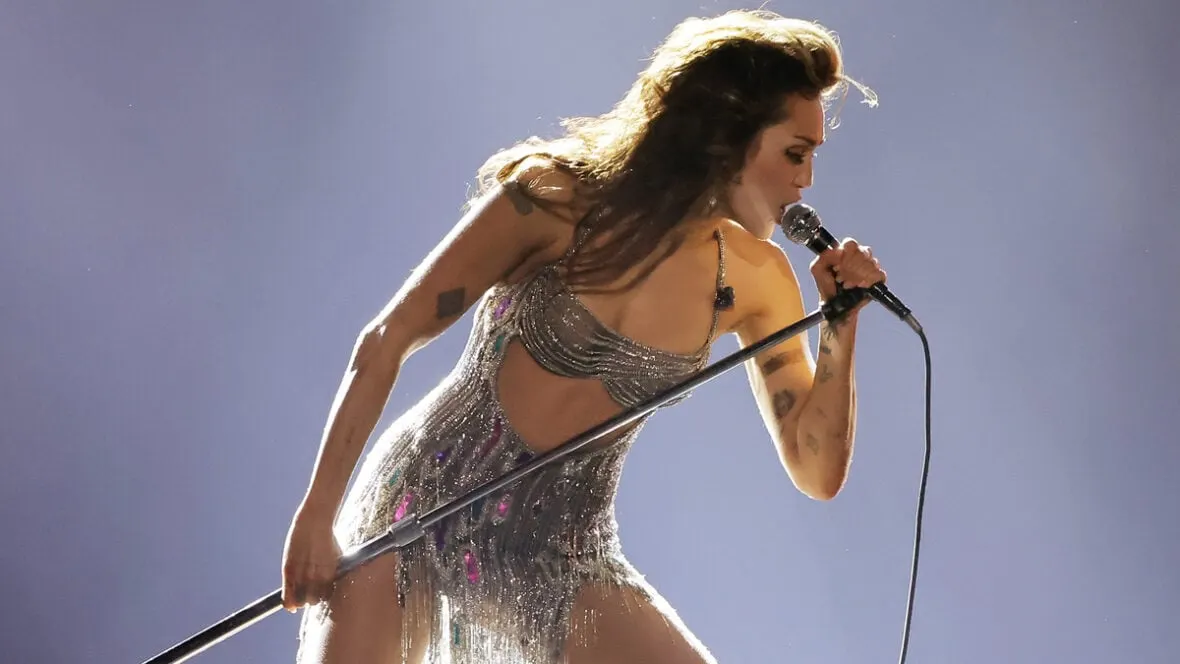
Miley Cyrus Hints at New Era With Cryptic Red-and-Black Teaser
Exactly one year after 'Something Beautiful,' Miley Cyrus is flooding the internet with mysterious red-and-black imagery — and a new label to back it up.
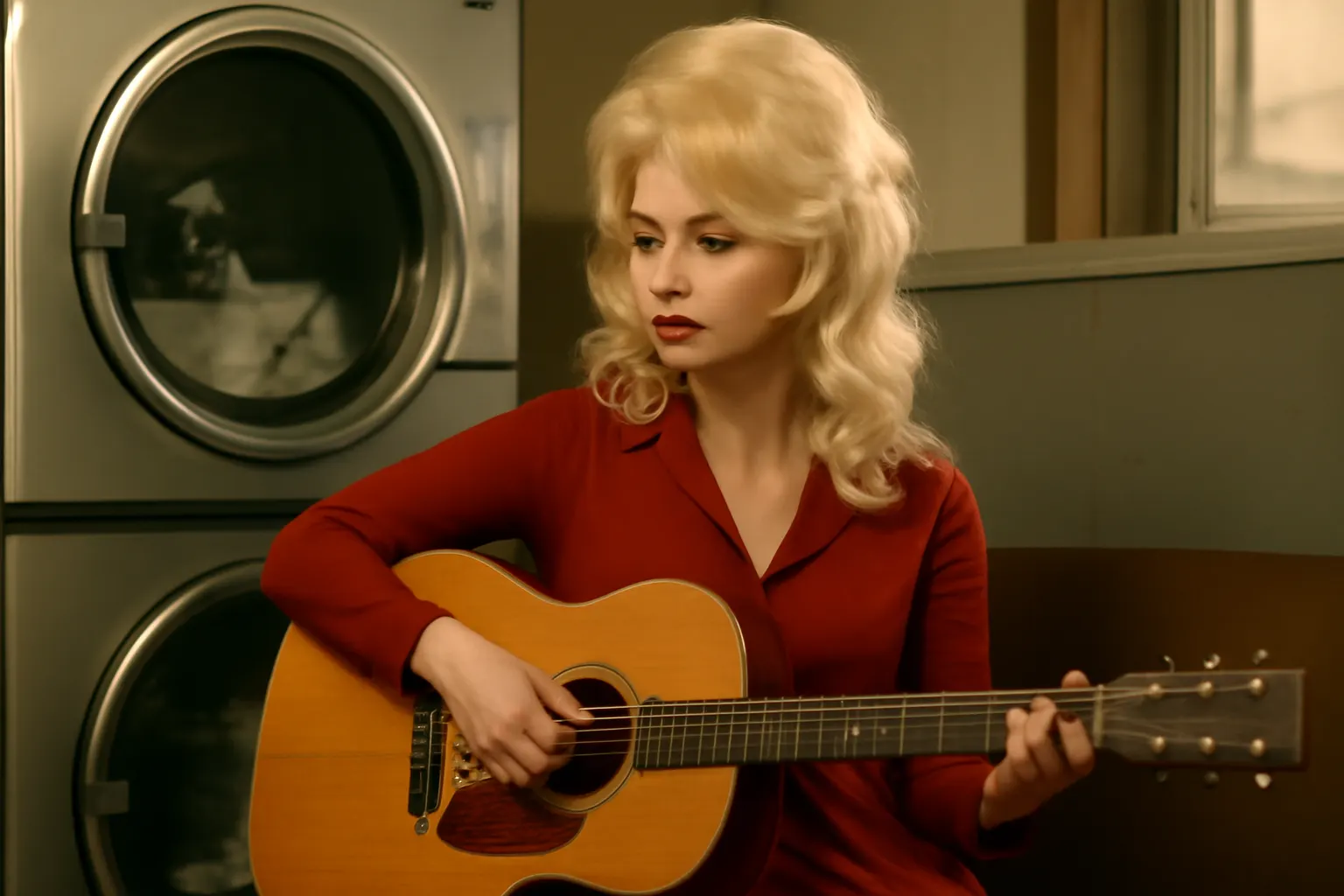
How a Nashville Laundromat Sparked Dolly Parton's Six-Decade Love Story
Dolly Parton and Carl Dean built one of music's most enduring marriages on a simple formula: distance, devotion, and deep difference.