Karpathy: AI Is No Longer a Chatbot, It's Your Teammate

Andrej Karpathy says AI assistants are outgrowing the standalone chatbot, turning into persistent, org-wide collaborators that live inside the tools people already use.
From query box to colleague
Andrej Karpathy, the prominent researcher who passed through OpenAI and Tesla before joining Anthropic earlier this year, says the way people work with artificial intelligence is shifting once again. According to Benzinga, Karpathy believes AI systems are moving past the familiar standalone chatbot and turning into integrated workplace-miscarriage) collaborators that behave less like a tool and more like a persistent member of the team.
The distinction he draws is about presence. A chatbot waits in its own window for someone to type a question. A teammate, by contrast, sits inside the places where work already happens, carries context across conversations, and can pick up tasks without being summoned each time. That change, in his view, is as significant as the leaps in model capability that have dominated recent headlines.
A new interface paradigm
Karpathy's remarks came in reaction to Anthropic's integration of its Claude model with Slack. He described the move as a step toward AI that is woven into the everyday rhythm of an organization rather than confined to a separate app. Benzinga quotes him calling it "a new paradigm for interacting with Claude that is significantly more 'inline' with all the other human activity org-wide."
He framed the shift as the third major redesign in how large language models present themselves to users:
- First era: web-based chatbots opened in a browser tab.
- Second era: standalone desktop and mobile applications.
- Third era: persistent, asynchronous agents embedded across an organization's tools.
In Karpathy's telling, "Claude basically joins the team in a seamless way," able to take on a range of collaborative tasks alongside human coworkers rather than handling isolated one-off requests.
Why it matters
The report notes that the Slack integration captures this idea in practice by letting teams hand work to Claude as though it were a virtual teammate, complete with context tracking and governance controls. That reframes AI from something a person consults into a participant that holds memory of ongoing projects and can act asynchronously while colleagues focus on other things. Instead of pasting information into a chat window and copying answers back out, employees can simply mention the assistant where a discussion is already taking place.
The timing is notable. Major AI labs are competing fiercely to make their models stickier inside large companies, where deep integration into daily workflows can matter more to customers than incremental gains on benchmark tests. A model that quietly lives where work happens is harder to replace than one that requires users to leave their normal tools. Karpathy's framing, as relayed by Benzinga, suggests the competitive front line is shifting from who builds the smartest model to who can most naturally embed that intelligence into existing routines.
What it means for adopters
For businesses still deciding how to bring AI into their operations, the argument carries a practical lesson. The value increasingly comes from treating these systems as collaborators that operate within clear governance and oversight, not as detached query boxes bolted onto the side of the workday. That shift also raises familiar questions companies will need to weigh, including how to manage permissions, audit what an embedded agent does, and keep humans accountable for its output. If Karpathy is right, the organizations that benefit most will be the ones that rethink their workflows around AI participation rather than simply adding another standalone tool to the stack.
Related on Ni4o: Karpathy's Software 2.0 Thesis Evolves Into Software 3.0
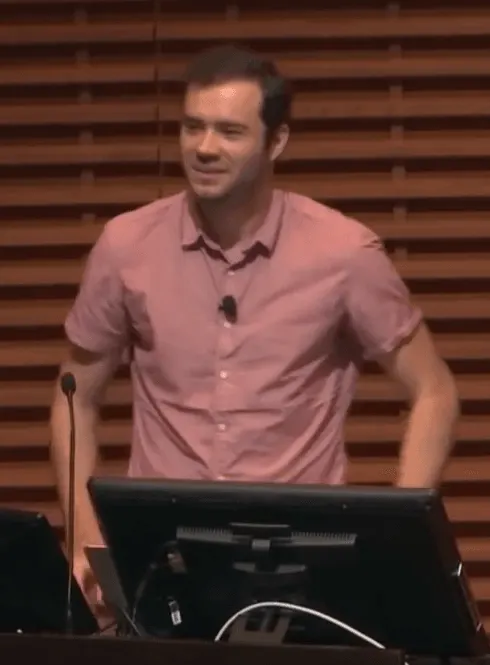 ProfileAndrej KarpathyComputer scientist and AI researcher
Related
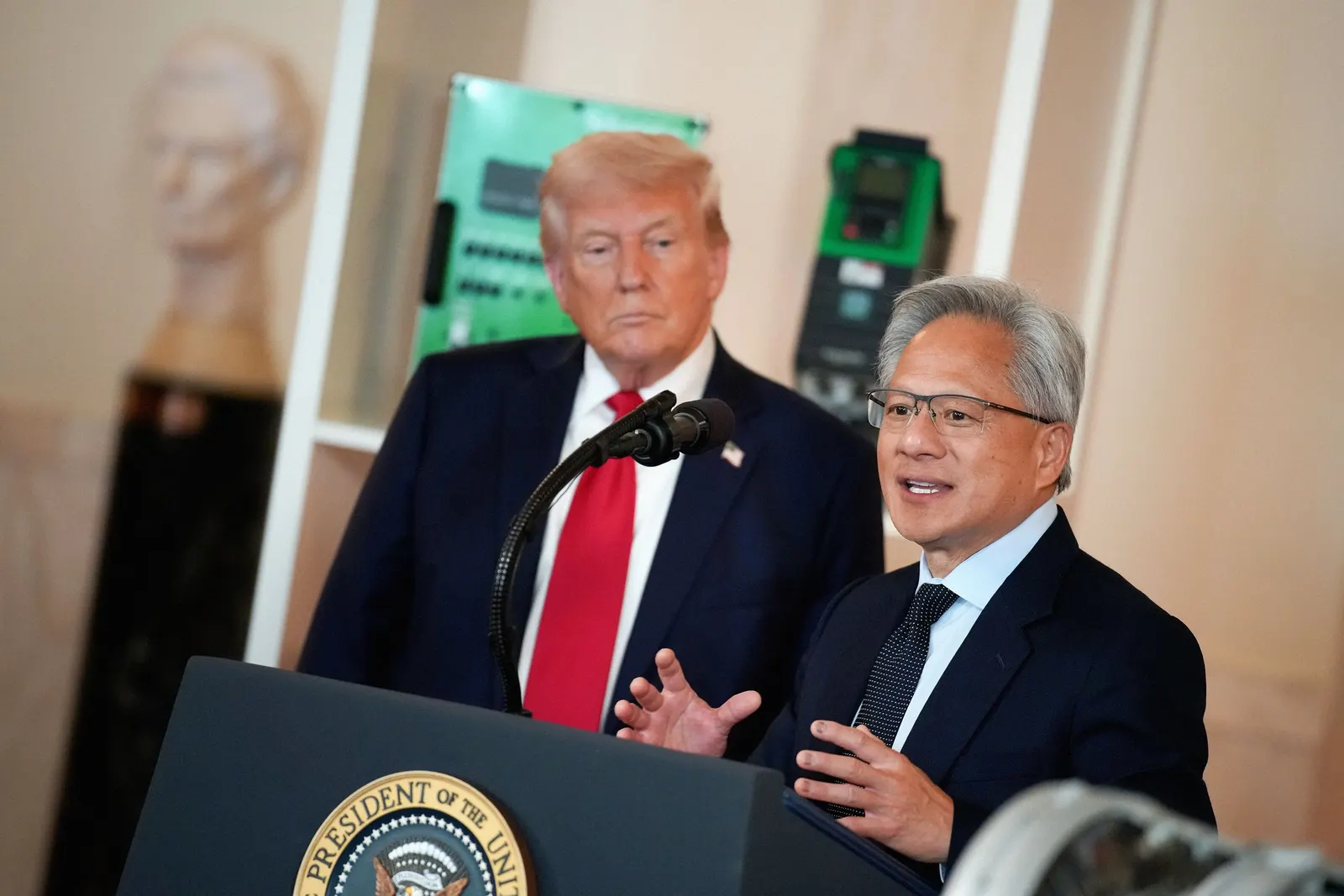
Jensen Huang's Call from Trump Disrupts Nvidia's All-Hands Meeting
During Nvidia's recent all-hands meeting, CEO Jensen Huang received an unexpected call from Donald Trump, sparking employee buzz about its implications.
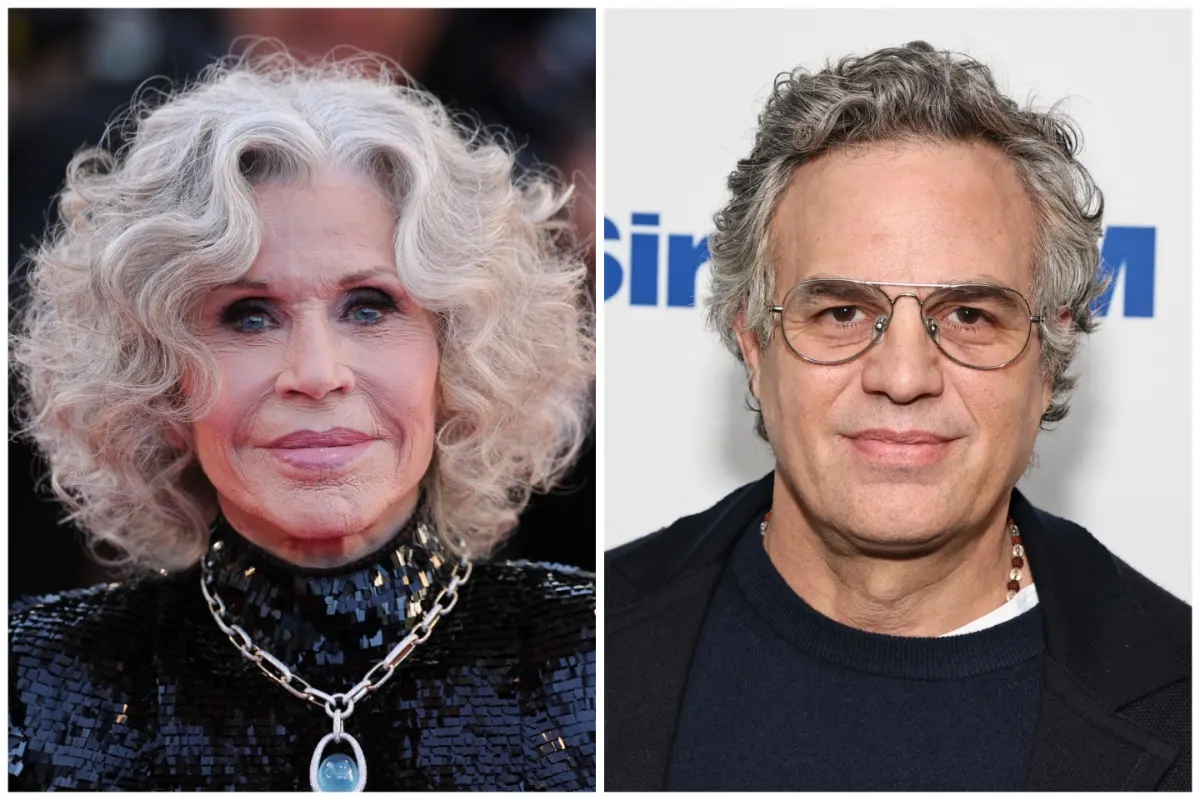
Jane Fonda Supports Mark Ruffalo Amid Controversy Over Antisemitism Claims
Jane Fonda stands by Mark Ruffalo after he was labeled antisemitic by Paramount for criticizing Larry Ellison's ties to Israel and a major merger.
Mark Ruffalo Ties Oracle's Military Tech to Paramount Deal, Studio Fires Back
The Hulk actor linked Larry Ellison's Oracle to Israel's military operations, prompting an unusual public response from Paramount calling the remarks antisemitic.